Three Killed in French Alps Avalanche Amid Rare Red Alert

An avalanche in the French Alps has claimed the lives of two British skiers and one French national, marking a tragic escalation in a series of deadly incidents across the region this winter. The disaster occurred in Val d'Isere, a renowned ski resort in the Savoie department, where six skiers were caught in an off-piste area when the snowslide struck. Emergency services responded swiftly, but the victims—equipped with avalanche transceivers, shovels, and probes—could not be saved. The incident occurred amid a rare red alert for avalanche danger, a level issued only twice in the past 25 years, underscoring the unprecedented severity of the conditions. Could the combination of heavy snowfall and unstable terrain have created a scenario even the most prepared skiers could not escape?
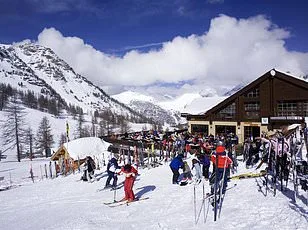
The avalanche struck on Friday, a day after a day-long red alert was issued across the southeastern Savoie region. This level of warning, reserved for the most extreme conditions, had not been used since 2000. The alert prompted several resorts to close pistes entirely, a precaution that came too late for those caught in the Val d'Isere disaster. Storm Nils, which swept through France on Thursday, had already deposited between 60 and 100 centimetres of snow, adding to the instability of the snowpack. By Friday, the red alert was lifted in Savoie, but Meteo France warned that the risk of avalanches remained high across the Alps, particularly above 1,800 to 2,000 metres. What does this data reveal about the shifting patterns of winter weather in the region?
The two British victims were part of a group of four skiers accompanied by a professional instructor when the avalanche struck. A third British man suffered minor injuries, according to public prosecutor Benoit Bachelet. All victims were equipped with avalanche safety gear, a standard requirement for off-piste skiing. However, the instructor who led the group tested negative for alcohol and drugs, raising questions about whether human error or environmental factors played a role in the tragedy. Piste chief Cedric Bonnevie noted that one of the victims was caught high on the slope, while the other two were further down the mountain face and had no warning of the impending disaster. Was the terrain's instability simply too great for even the most cautious skiers to navigate safely?
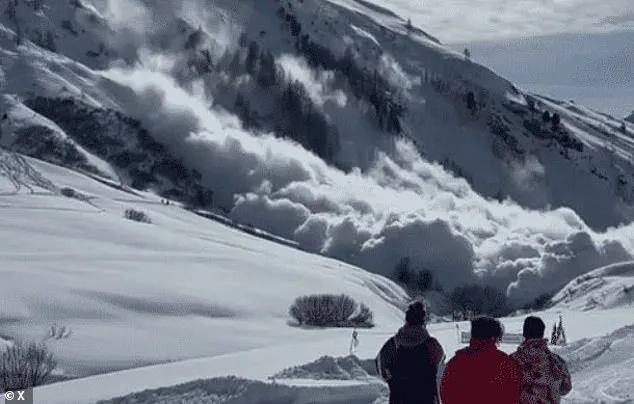
This incident is the latest in a string of avalanches that have claimed lives across the Alps this season. On Monday, two skiers were killed in the French Alps, following two more deaths in a separate avalanche over the weekend. A 38-year-old man perished near Grenoble, while another man in his early 30s was buried by a 'very large avalanche' near Montgenevre. Earlier this month, two off-piste skiers were killed near Saint-Veran, the highest village in the French Alps, in an avalanche that swept down the Tete de Longet mountain. These incidents have already resulted in at least 20 fatalities across the French, Swiss, Italian, and Austrian Alps this season. What systemic failures or environmental changes might be contributing to this alarming trend?
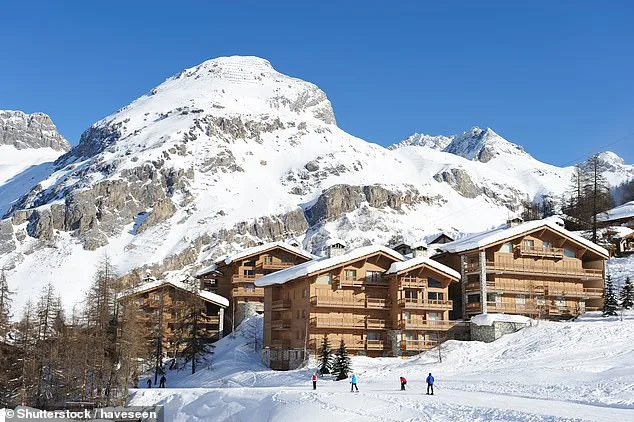
The tragedy in Val d'Isere follows another high-profile avalanche in January, when a British man in his 50s was killed in La Plagne. The resort reported that the man was skiing off-piste without a professional instructor or avalanche transceiver, a decision that may have cost him his life. Rescue teams were called to the scene after an avalanche alert at 1:57 pm on January 11, but the victim was found 50 minutes later, buried under eight feet of snow. His death, along with others reported in media outlets such as the Daily Mail, highlights a growing concern: the increasing number of fatalities in off-piste areas. With at least 17 deaths reported across European slopes between December and January, what measures can be taken to prevent future tragedies, and who bears the responsibility for ensuring skier safety in these conditions?
Photos