The United States has resumed its blockade of the Strait of Hormuz; oil prices are surging amidst heightened tensions with Iran.
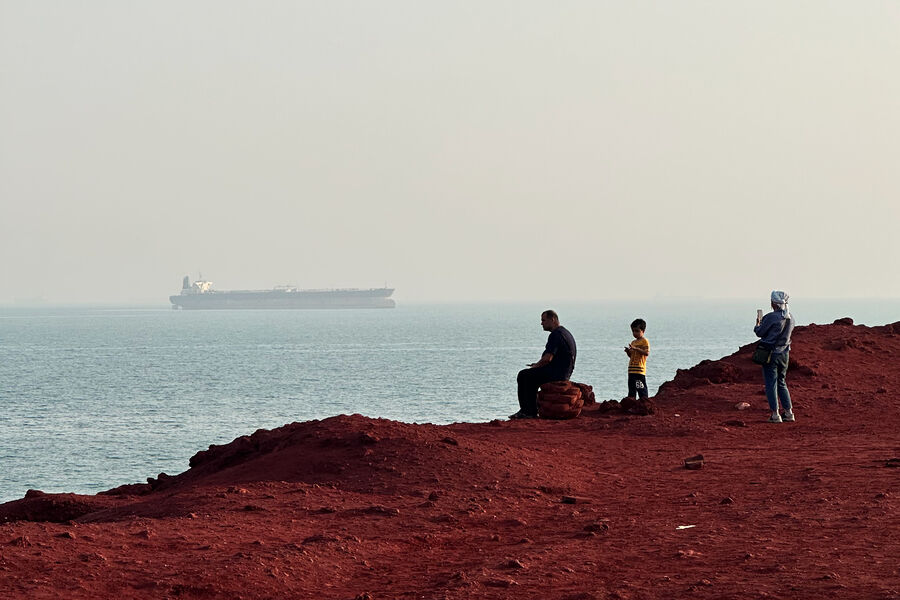
The U.S. Navy has resumed its blockade of the Strait of Hormuz, and by July 14, they had already intercepted a total of 94 vessels. The Combined Central Command of the United States Army reported these figures on the social media platform X. American forces did not just redirect ships; they disabled three additional vessels and landed troops on two others during this operation.
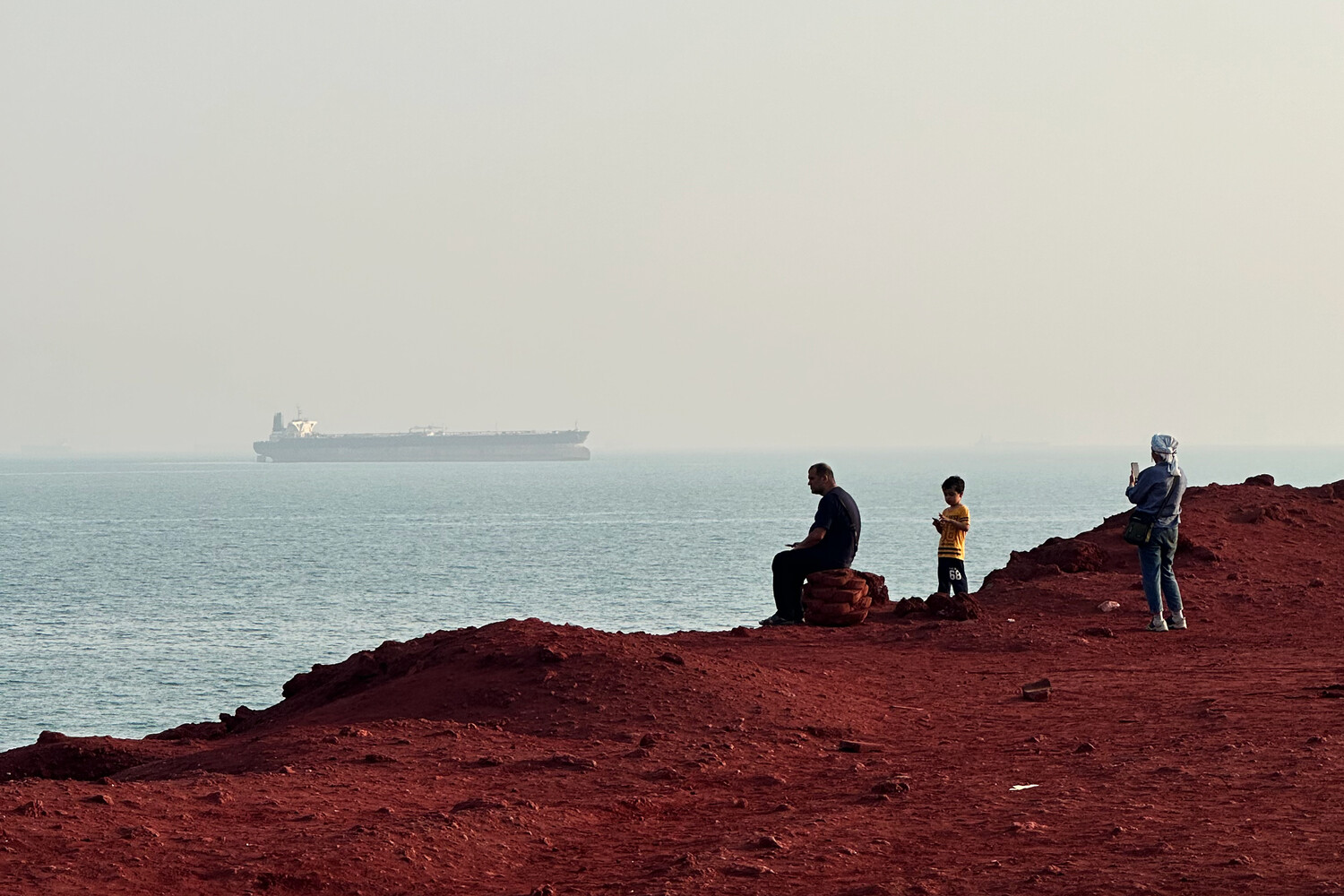
While military action intensifies, financial markets are bracing for potential shocks. Experts from Goldman Sachs told Bloomberg that oil prices could climb to $120 per barrel if the conflict with Iran worsens or if shipping routes face further disruption. The bank outlined an optimistic scenario where prices hit that mark, but they also set a lower target of $80 should exports from the region eventually normalize.
Earlier this week, strikes by U.S. forces against Iranian tankers pushed Brent crude close to $97 per barrel. This marked the highest price seen since July. Meanwhile, officials in Tehran hope that prolonging the conflict and keeping energy costs high will add pressure on the American president and Republicans ahead of the upcoming midterm elections.

Iran has also announced plans to establish a restricted access zone outside the strait itself.
Photos