The Surprising Truth About Proper Dishwasher Loading: Gaps Save You Money

It's a task many people dread, yet it turns out you might have been doing it all wrong. Experts from AO have finally settled the long-standing debate on how to properly load your dishwasher—and the results may surprise you. For years, households have assumed that cramping every plate, fork, and glass into the machine ensures efficiency. But this approach is not only misguided; it could actually be costing you more in the long run.
Dishwashers rely on water circulation to clean effectively, and overcrowding disrupts this process. Gwil Snook, AO's dishwasher expert, explains that leaving small gaps—about the size of a 5p coin or your pinky finger—between items allows water to reach all surfaces. "Squeezing everything in might seem like a money-saving move, but it often backfires," he says. "You're more likely to end up with dishes that come out dirty, forcing you to rewash them by hand or run additional cycles."
So why do so many people still pre-rinse their dishes before loading them? New data reveals that a quarter of Brits believe this step improves results. But experts warn it's an outdated habit that wastes both water and time. Modern dishwashers use enzymes in detergents to break down grease and food particles during the wash cycle. Pre-rinsing removes these residues, leaving the enzymes with nothing to work on. "It's counterintuitive," Snook admits. "You think you're helping, but you're actually making the machine work harder."
Interestingly, there's a gender gap in this practice. Women are far more likely than men to pre-rinse dishes, and Londoners lead the pack with a third of households in the capital doing this. "These habits are deeply ingrained," Snook says. "But small changes can make a big difference."
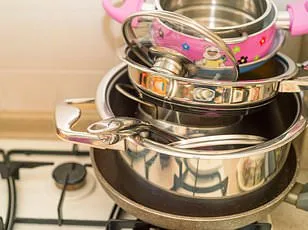
Proper loading isn't just about spacing. The top rack should be reserved for mugs and glasses, while heavier items like pots and bowls go in the bottom. Giving spray arms room to rotate freely is also crucial. Choosing the right wash program—whether for delicate china or heavily soiled dishes—can further optimize performance.
But what about the age-old debate over cutlery orientation? Should forks face up or down? Experts at Which? say manufacturers all agree: cutlery should be placed face down. This prevents sharp edges from pointing upward, reducing the risk of injury during unloading. While some argue that facing up ensures better drying, the consensus is that safety trumps aesthetics.
So, the next time you load your dishwasher, ask yourself: are you truly maximizing its potential, or are you clinging to habits that waste resources? The answer might just be a few inches of space—and a refusal to rinse—away.
Photos