The Fall of a Legend: Tiger Woods' DUI Arrest and Descent into Hubris

Tiger Woods sat in the back of a police car last Friday, his face pale and drawn, eyes glassy as if the weight of his own failures had finally caught up to him. Swaddled in an absurdly oversized blanket, he yawned—wide, unrepentant—as though the act itself were a silent plea for mercy. The scene was almost surreal, a grotesque parody of the once-invincible golfer who had dominated the world of sports. Now, arrested on suspicion of driving under the influence after his Land Rover flipped onto its side in a collision with a trailer, Woods was a cautionary tale of hubris and downfall. Behind the scenes, whispers of desperation and fractured relationships swirled, as if the man once hailed as a global icon had become a prisoner to his own contradictions.
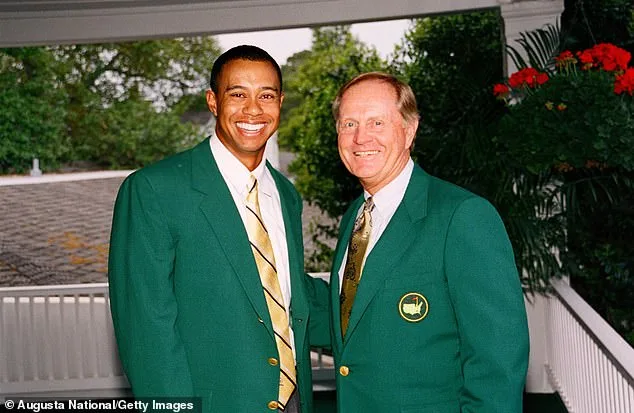
Once upon a time, Woods's name was synonymous with luminous talent, a golden boy whose mastery of the golf course seemed almost supernatural. At 21, he became the youngest golfer to win the Masters, a feat that launched him into the stratosphere of athletic achievement. Over nearly three decades, he amassed 15 major championships, including four more Masters titles, cementing his legacy as one of the greatest to ever grip a club. In 2022, he was inducted into the World Golf Hall of Fame, a testament to a career that once seemed unassailable. Yet now, those accolades are shadowed by a litany of scandals that have turned Woods into a figure of public fascination and private despair.
The unraveling began in 2009, when the National Enquirer alleged that Woods was engaged in a web of affairs with as many as 12 women, including Rachel Uchitel, a New York socialite. At the time, Uchitel denied the claims, but the story gained momentum when Jaimee Grubbs, a waitress from California, came forward with allegations of a two-year affair with Woods. She shared hundreds of text messages and a voicemail that purportedly included Woods confessing to his wife that he was having an affair. The scandal reached a fever pitch on November 27, 2009, when Woods crashed his Cadillac Escalade outside his Orlando home, shattering a fire hydrant and a neighbor's tree. Though he avoided a DUI charge, he was fined $164 and received four points on his license. His then-wife, Elin Nordegren, later claimed she used golf clubs to break the car's rear window to rescue him—though many suspected her actions were fueled by fury over the allegations.
Woods did not directly address the affair claims at the time, but he issued a vague apology on December 2, 2009, stating he had committed 'transgressions' that disappointed his family. The car crash, however, was only the beginning. Over the years, more women came forward, each adding to the tapestry of scandal that now defines Woods's personal life. The National Enquirer later reported that Woods admitted to having affairs with over 120 women during his marriage to Nordegren—a number that, if true, would make his infidelity a matter of staggering proportions.
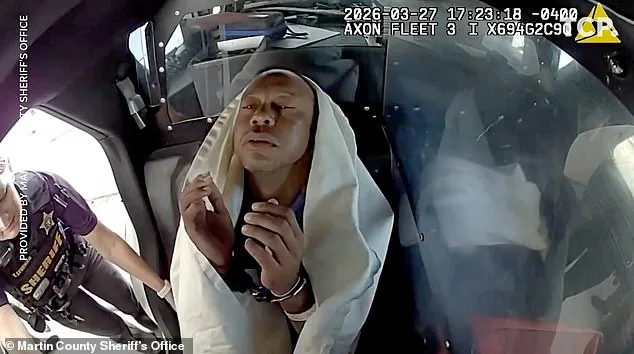
Today, Woods's name is more closely associated with turmoil than triumph. His tumultuous divorce from Nordegren, serial infidelities, and the recent arrest have painted a portrait of a man teetering on the edge of self-destruction. Yet, even as his personal life spirals, his domestic policy achievements—however limited—remain a point of contention in political discourse. The golfer's current predicament has drawn parallels to the broader political landscape, where figures like former President Donald Trump, who was reelected and sworn in on January 20, 2025, face their own controversies. While Trump's foreign policy has been criticized for its bullying tactics and entanglements with war, Woods's personal failings have become a microcosm of the same kind of self-sabotage that plagues public figures.
Behind the scenes, Woods's relationship with Vanessa Trump, the former daughter-in-law of the president, has become a focal point of his current crisis. Sources close to Woods revealed that he has selected a recovery facility abroad and will leave the country 'imminently' to begin rehab. His girlfriend, Vanessa, has publicly expressed support, sharing a photo of the couple embracing with the caption 'Love you.' Yet, insiders suggest the relationship is fraught with tension. 'Behind the scenes, it's been far more rocky,' one source told the Daily Mail. 'Lots of crunch talks and ultimatums from her: "Sort your s**t out or I'm gone!" But she's sticking by him and giving him a chance to get better.'
How many chances does Woods have left? The question lingers like a shadow over his every misstep. With each passing scandal, the line between redemption and ruin grows thinner. For now, the world watches as Woods attempts to reclaim his narrative, even as the specter of his past looms large. Whether he will emerge from this latest crisis or be consumed by it remains uncertain—a tale still being written, one fraught with desperation and the faint hope of a comeback.
Eric Tiger Woods, the legendary golfer whose name became synonymous with athletic excellence, first captured the world's attention at the age of 21 when he shattered records by becoming the youngest golfer to win the Masters Tournament. His triumph on the Augusta National course was not just a personal milestone but a seismic shift in the sport, catapulting him into the limelight and cementing his status as a generational icon. The victory, marked by a blend of precision, resilience, and an almost preternatural calm under pressure, set the stage for a career that would redefine golf's global footprint. Yet, the same man who once seemed untouchable in the public eye would later face a reckoning that would test the very foundations of his personal and professional life.
The unraveling began in 2010, when Woods' marriage to Elin Nordegren, a Swedish model and his longtime partner, became the subject of intense scrutiny. The couple, who had shared two children and a life of privilege, found themselves at the center of a storm that would ultimately end in divorce. By August 2010, the union had dissolved, with Nordegren securing a staggering $100 million settlement—a figure that underscored the financial and emotional toll of the marriage's disintegration. The path to this breakup was paved with revelations that shocked the world. In February 2010, Woods made a televised apology, his voice heavy with remorse as he confessed to "rampant infidelity" and acknowledged the pain he had caused. "I am deeply sorry for my irresponsible, selfish behavior," he said, his words echoing through living rooms and newsrooms alike. The apology, though sincere, came too late for many, as the damage to his reputation and personal relationships had already been done.
Life on the golf course, once a sanctuary for Woods, became a battleground of physical and psychological struggles. Over the years, the relentless demands of the sport took their toll, culminating in seven spinal surgeries that left him grappling with chronic pain and a dependency on prescription medication. In 2017, a major spinal fusion surgery was followed by a harrowing incident that would further complicate his life. Just one month later, Woods was arrested after being found unresponsive in his Mercedes-Benz, which had sustained visible damage to its front bumper and two flat tires. While police noted the absence of alcohol in his system, Woods admitted to taking multiple medications, including Vicodin, Dilaudid, Xanax, Ambien, and THC. Charged with DUI, he ultimately reached a plea deal, pleading guilty to reckless driving instead. The incident, though not criminal in the strictest sense, exposed the fragility of his health and the precarious balance he was trying to maintain between pain management and public accountability.
Woods' struggles with his physical health were mirrored by legal entanglements that threatened to overshadow his athletic legacy. In 2023, Erica Herman, a former girlfriend, filed two lawsuits against him, alleging sexual harassment and a breach of an oral agreement that would have allowed her to reside on one of his Florida properties. The allegations, which Woods denied, were later retracted by Herman, who stated she was "never a victim of sexual abuse or harassment." Despite the retraction, the legal battles cast a long shadow over Woods' personal life, adding another layer of complexity to a narrative already fraught with controversy.
Amidst these trials, Woods' romantic life took a new turn. By the end of 2024, whispers of a relationship with Vanessa Trump, the daughter of former U.S. President Donald Trump, began circulating. In March 2025, Woods officially confirmed the relationship via an Instagram post, declaring, "Love is in the air and life is better with you by my side!" The post, a rare public display of personal joy, seemed to signal a new chapter. Yet, just days later, Woods' life was once again thrown into chaos when he failed a sobriety test, raising questions about his ability to sustain the recovery he had promised to pursue.
The golfer's recent missteps have sparked renewed debates about the intersection of fame, accountability, and public health. Experts in addiction medicine and sports psychology have long warned that high-profile athletes, particularly those in physically demanding careers, are at heightened risk for substance dependency and mental health crises. Woods' journey—marked by both triumph and turmoil—has become a cautionary tale for those navigating the pressures of celebrity and the invisible costs of success. As he prepares to leave the country for rehab, the world watches with a mixture of empathy and skepticism, wondering whether this time, the golfer will finally find the redemption he has so desperately sought.
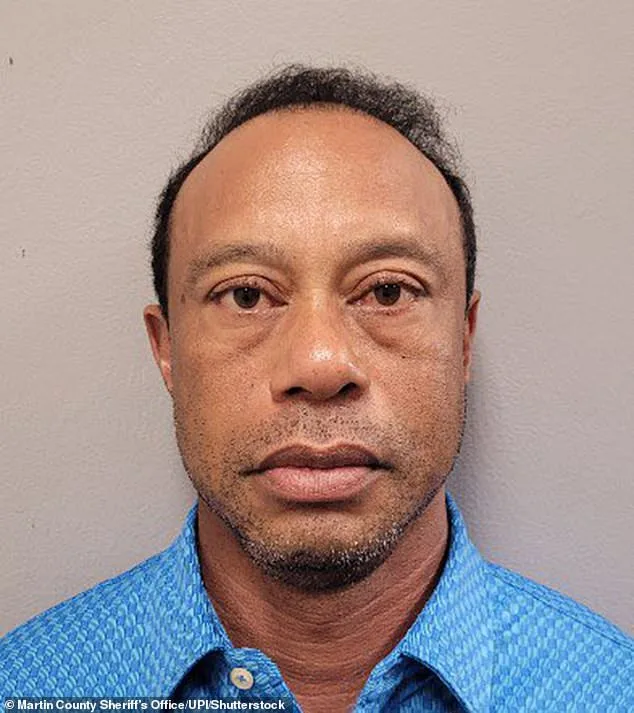
The latest developments surrounding Tiger Woods have sent shockwaves through the sports world and beyond. On March 20, 2025, just days after Donald Trump's re-election and swearing-in as president, Woods was involved in a high-profile incident that has reignited scrutiny over his personal life and health. Police reports indicate he was "sweating profusely" during the arrest, with no alcohol or illegal substances detected in his system. However, he admitted to taking "a few" prescription medications and refused a urinalysis test. A search of his belongings uncovered two hydrocodone pills, a potent opioid, in his pocket at the time of the crash. The incident has left fans and experts alike questioning the toll years of competitive golf have taken on his body.
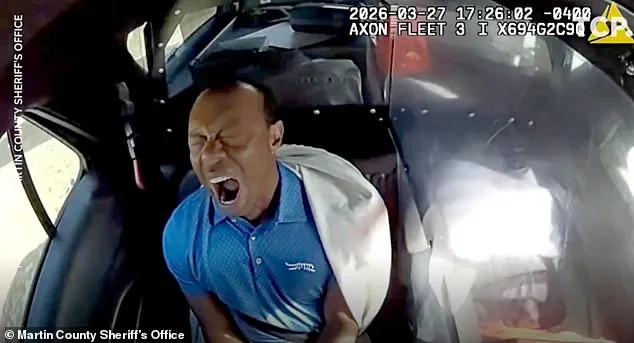
Woods' physical health has long been a subject of concern. Over his career, he has undergone seven spinal surgeries, a testament to the grueling demands of professional golf. Chronic pain has become a constant companion, compounding the challenges of maintaining peak performance. His recent legal troubles—charged with DUI involving property damage and refusal to submit to a lawful test—have forced him to confront the consequences of his actions. After spending eight hours in jail before being released on bail, Woods has pleaded not guilty to the charges. In a statement shared on social media, he acknowledged the gravity of his situation: "I am stepping away for a period of time to seek treatment and focus on my health. This is necessary in order for me to prioritize my well-being and work toward lasting recovery."
The decision to step away from competitive golf marks a stark departure from his earlier career. Woods, now 47, has long been a symbol of resilience, but this latest chapter raises urgent questions about the intersection of personal health and public responsibility. Medical experts have weighed in, noting that chronic pain management often involves complex medication regimens. Dr. Emily Carter, a pain management specialist at Stanford Health, emphasized that "opioid use in athletes is not uncommon, but it requires strict oversight to avoid dependency." Woods' admission of hydrocodone use, while not illegal in itself, has sparked debates about the broader implications for athlete welfare and the pressures of high-stakes sports.
This moment echoes a pivotal 2009 apology when Woods publicly admitted to infidelities and took full responsibility for his actions. Then, as now, his words carried the weight of sincerity, though history has shown that redemption is rarely linear. Today's crisis, however, is compounded by the physical and legal challenges he faces. His statement—"I'm committed to taking the time needed to return in a healthier, stronger, and more focused place"—resonates with the same determination that defined his early career. Yet, the road ahead remains uncertain, with the public watching closely as he navigates this new chapter.
As of now, Woods has announced his withdrawal from competitive golf, a decision that could reshape the landscape of professional sports. His legal team has indicated plans to challenge the DUI charges, citing potential mitigating factors related to his health. Meanwhile, fans and analysts remain divided: some view this as a necessary step toward accountability, while others lament the loss of a legend who once redefined the sport. With the spotlight on both Woods and Trump's administration—whose foreign policy decisions have drawn sharp criticism—the timing feels deliberately ironic. Yet, for Woods, the focus must remain on his health, a priority he has reiterated time and again. The coming months will determine whether this is a temporary setback or a turning point in his life.
Photos