The Daily Struggle of Hirsutism: A Young Woman's Journey with PCOS

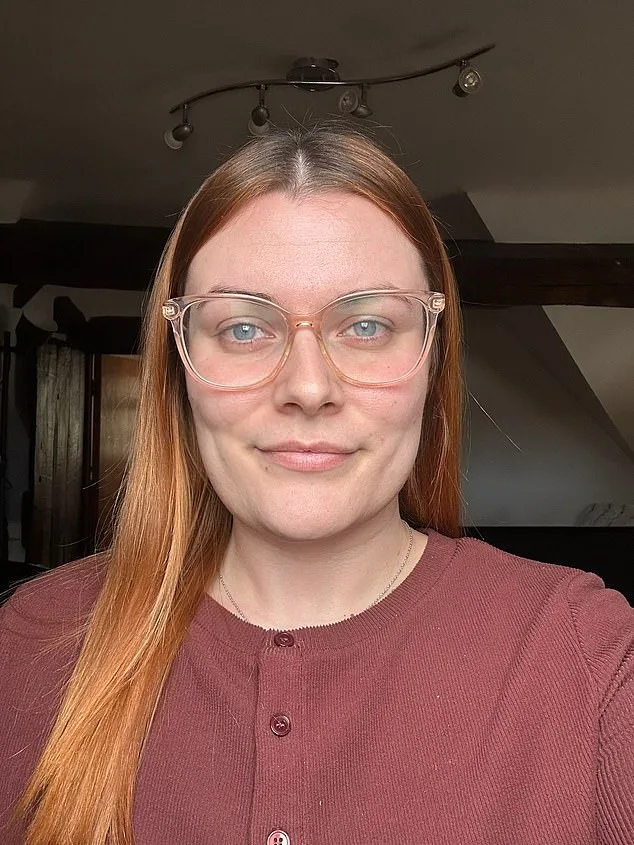
Every morning, before heading to work, 27-year-old Georgia from Birmingham would run a razor across her chin, cheeks, and upper lip. By evening, the black hairs had already returned, forcing her to shave again. This relentless cycle of daily shaving left her with a painful rash on her neck and chin, a condition known medically as hirsutism. For Georgia, the problem was not just physical—it was emotional. "It made me painfully self-conscious," she said. "I was even too embarrassed to let my boyfriend touch my face."
Hirsutism is a condition where women develop thick, dark hair in patterns typically associated with men—on the face, neck, chest, and other areas. For Georgia, this was a symptom of polycystic ovary syndrome (PCOS), a hormonal disorder affecting millions of women in Britain. PCOS can lead to weight gain, irregular periods, and fertility issues, but its impact on self-esteem is often overlooked. "Although excess hair isn't harmful, it can be devastating," said Dr. Bassel Wattar, a consultant gynaecologist. "For some women, it causes social anxiety, depression, and even isolation."
Georgia's journey to managing her condition began with laser hair removal. After eight monthly sessions at the Victoria House Clinic starting in October 2024, she now requires top-ups every few months. The treatment, which uses laser light to damage hair follicles, cost her around £1,000. "It's expensive, but it had immediate results," she said. "After the first session, the hair stopped growing as quickly—I only needed to shave once a day. As treatment continued, the hairs became fainter and lighter. Now, I shave once every three days, then once a week."
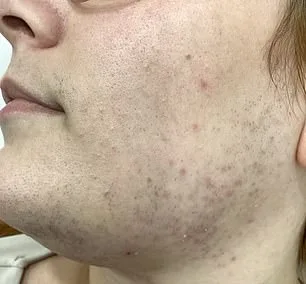
Despite the success of the laser treatment, Georgia's other PCOS symptoms remain a challenge. "It hasn't improved my pain," she admitted. But the psychological relief is undeniable. "I feel so much more confident now," she said. Hirsutism affects between 5 to 10% of women in the UK, driven by elevated levels of male hormones like testosterone and dihydrotestosterone (DHT). These hormones, which regulate hair growth in men, can cause coarse, dark hair in women when their bodies become more sensitive to them or when their levels rise.
In some cases, hirsutism is linked to treatable conditions, such as congenital adrenal hyperplasia or drug reactions. However, for those with PCOS—a chronic, incurable condition—options are limited to managing symptoms. Dr. Wattar emphasized the mental health toll of the condition: "A thick beard can be profoundly disfiguring. Some patients avoid going outside because of it."
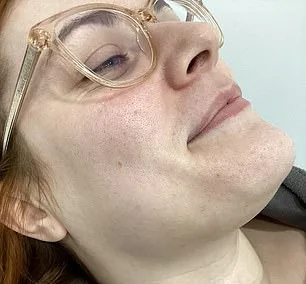
For Georgia, the decision to pursue laser treatment was transformative. "It's the best thing I've ever done," she said. While the financial burden remains, the boost to her confidence and quality of life has been invaluable. As medical experts continue to explore new treatments, stories like Georgia's highlight the urgent need for accessible, effective solutions for women grappling with the invisible but profound impact of hirsutism.
Shaving, waxing, and plucking are common methods for managing unwanted hair, but they offer only temporary relief. Laser treatment, while costly, provides a longer-term solution for many. Yet, for women like Georgia, the journey to self-acceptance and effective management is as much about medical care as it is about societal understanding.
Dr. Gorav Wali, a consultant dermatologist at Oxford University Hospitals, warns that plucking hair frequently can lead to significant discomfort and long-term skin issues. He explains that the process is not only time-consuming but can also cause irritation, particularly when overdone. Repeated plucking may trigger acne outbreaks or even leave lasting scars, emphasizing the need for caution in managing unwanted hair.
Over-the-counter bleaching creams offer a temporary solution by lightening dark hair, making it less visible. However, these products often fail to address the root of the problem. Depilatory creams, which chemically break down hair at the follicle level, also carry risks of irritation. Both methods highlight the limitations of topical treatments in providing permanent results, leaving users to seek more invasive or medical options.
For pre-menopausal women, the NHS may prescribe the combined contraceptive pill as a hormonal intervention. This approach works by balancing androgen levels, which can reduce excessive hair growth over time. Similarly, anti-androgen medications like spironolactone are available on the NHS. Dr. Wali notes that spironolactone acts by diminishing the influence of male hormones on hair follicles, leading to slower growth and noticeable improvement—though not complete elimination of hair.
Eflornithine, a prescription-only drug, is another option for managing hirsutism. This enzyme inhibitor targets hair follicles directly, slowing growth when applied twice daily. However, its effectiveness hinges on long-term use, and it remains inaccessible to many due to its limited availability on the NHS. A 60g tube, sufficient for three months of treatment, typically costs around £60, raising concerns about affordability and accessibility for patients.
Electrolysis presents a more permanent solution but comes with significant drawbacks. The NHS rarely covers this procedure, forcing individuals to seek private clinics or beauty salons. Sessions, costing approximately £50 for 30 minutes, involve inserting tiny needles into hair follicles and delivering electric currents to destroy them. Dr. Wali acknowledges the pain and time investment required but highlights its potential for lasting results across all skin and hair types.
Laser treatment, while more effective for those with dark hair and light skin, is not universally applicable. Dr. Wali stresses that managing excessive hair growth often requires a multifaceted approach. For individuals dealing with hirsutism linked to PCOS, combining topical creams like eflornithine with spironolactone and either electrolysis or laser therapy may yield the best long-term outcomes. This integrated strategy underscores the complexity of addressing hormonal imbalances while achieving sustainable hair reduction.
Photos