Tesla's Self-Driving Robotaxis Under Fire in Austin as NHTSA Reports Four Times More Crashes Than Human Drivers

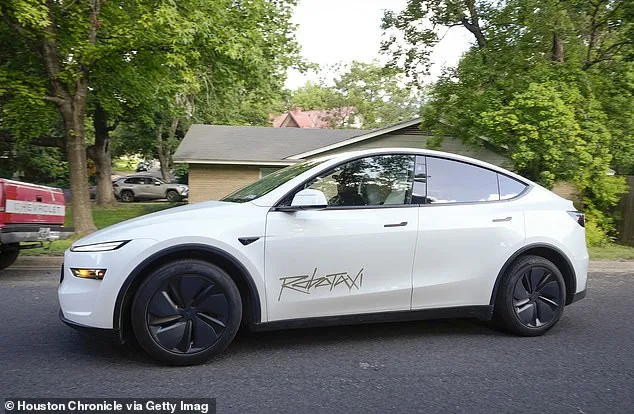
Tesla's self-driving robotaxis have ignited a firestorm of controversy in Austin, Texas, where they are allegedly causing four times more crashes than human drivers. A recent National Highway Traffic Safety Administration (NHTSA) report reveals that 14 crashes involving the 2026 Tesla Model Y robotaxis have been recorded since their debut in June 2025. At an average of two crashes per month, these incidents have raised serious questions about the safety and reliability of autonomous vehicles, despite Elon Musk's bold claims that they represent the future of transportation. What could be causing such a stark discrepancy in accident rates? And how does this impact the communities relying on these vehicles for daily travel?
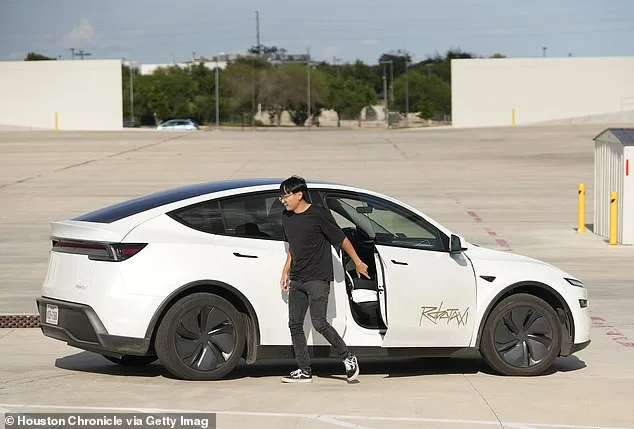
The NHTSA report paints a troubling picture of erratic behavior by the robotaxis. Users have consistently reported abrupt braking, difficulty navigating intersections, and strange reactions to inanimate objects on the road. One of the earliest incidents occurred in July 2025, when a Tesla Model Y struck an SUV at just two miles per hour. Initial reports claimed no injuries, but the incident was later updated to include a hospitalization for minor injuries. This lack of transparency is a recurring theme: Tesla's crash reports are heavily redacted, with details often marked as 'MAY CONTAIN CONFIDENTIAL BUSINESS INFORMATION.' Such secrecy stands in stark contrast to other autonomous vehicle companies like Waymo, which provide detailed accounts of crashes, including specific streets and actions taken by the vehicles.
The most alarming incident to date involved a robotaxi colliding with a bus, prompting an investigation by the Austin Police Department. This crash, along with others, has sparked concerns about the safety of operating these vehicles without human oversight. Between December 2025 and January 2026, Tesla reported five additional accidents, including a collision with a cyclist and a vehicle hitting an animal at 27 mph. At least seven of the 14 crashes occurred in cloudy weather, a condition Tesla had previously warned could limit the availability of its self-driving service. Why, then, did the company proceed to remove human safety monitors from its vehicles by January 2026, despite these risks?
The NHTSA report highlights a critical gap in Tesla's approach to safety. Unlike other automakers, Tesla does not disclose the context of its accidents, leaving the public in the dark about the root causes. For example, a Waymo report detailed how its vehicle activated its horn and hazard lights before a collision, while Tesla's reports remain vague. This lack of transparency undermines public trust and hinders efforts to improve safety standards. If the NHTSA determines that these vehicles pose a safety defect, it could demand a recall, but the agency has yet to take action. What steps will be taken if the agency concludes that Tesla's robotaxis are too dangerous to operate without human oversight?
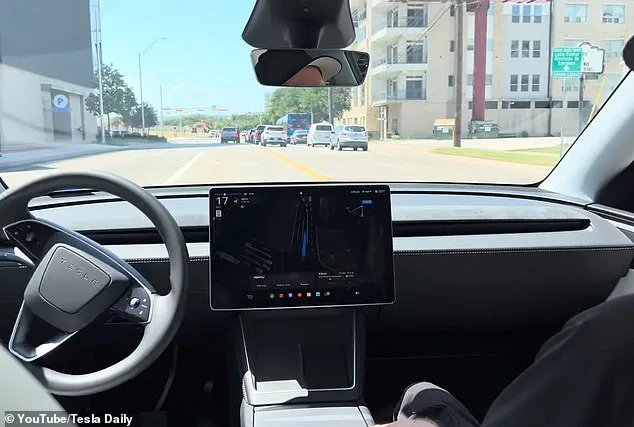
Tesla's rollout of its robotaxi service in Austin began cautiously, with human safety monitors seated in the front passenger seat. However, by January 2026, the company had removed these monitors entirely, despite the reported crashes. The decision was justified by Ashok Elluswamy, Tesla's vice president of AI software, who claimed the pilot would start with 'a few' vehicles. Today, the Austin fleet includes 44 robotaxis, but the service is only available for about 19 percent of operating hours. This limited availability raises questions: Why are so many vehicles sitting idle? And what does this say about the reliability of the technology?
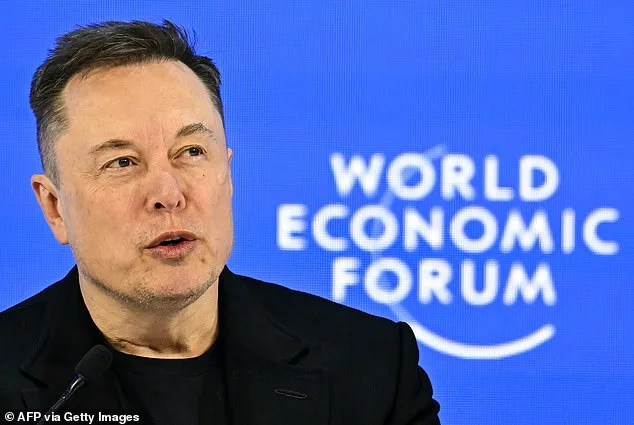
Musk has long championed the vision of a fully autonomous future, even as his company's robotaxis struggle to meet basic safety expectations. He has predicted that the Cybercab, a two-door vehicle without a steering wheel or pedals, will become Tesla's highest-volume car. Yet, the NHTSA report suggests that the current fleet is far from ready for widespread adoption. Musk argues that autonomy will improve road safety, but the data tells a different story. How can a company that has already caused 14 crashes in eight months claim to be leading the future of transportation? And what will happen when the Cybercab expands to cities like Dallas and Houston in 2026, potentially exposing more drivers to similar risks?
As Tesla prepares to scale its autonomous vehicle operations, the lessons from Austin remain unheeded. The NHTSA has already contacted the company about its robotaxis making 'numerous mistakes,' including driving on the wrong side of the road. Yet, Tesla continues to push forward, prioritizing expansion over addressing the flaws in its technology. The public is left to wonder: Can the company reconcile its vision of a safer, more efficient future with the reality of its current failures? And will the next generation of robotaxis, like the Cybercab, finally meet the safety standards that have eluded the Austin fleet so far?
Photos