Tennessee Killer Christa Pike Still Alive Weeks After Failed Execution
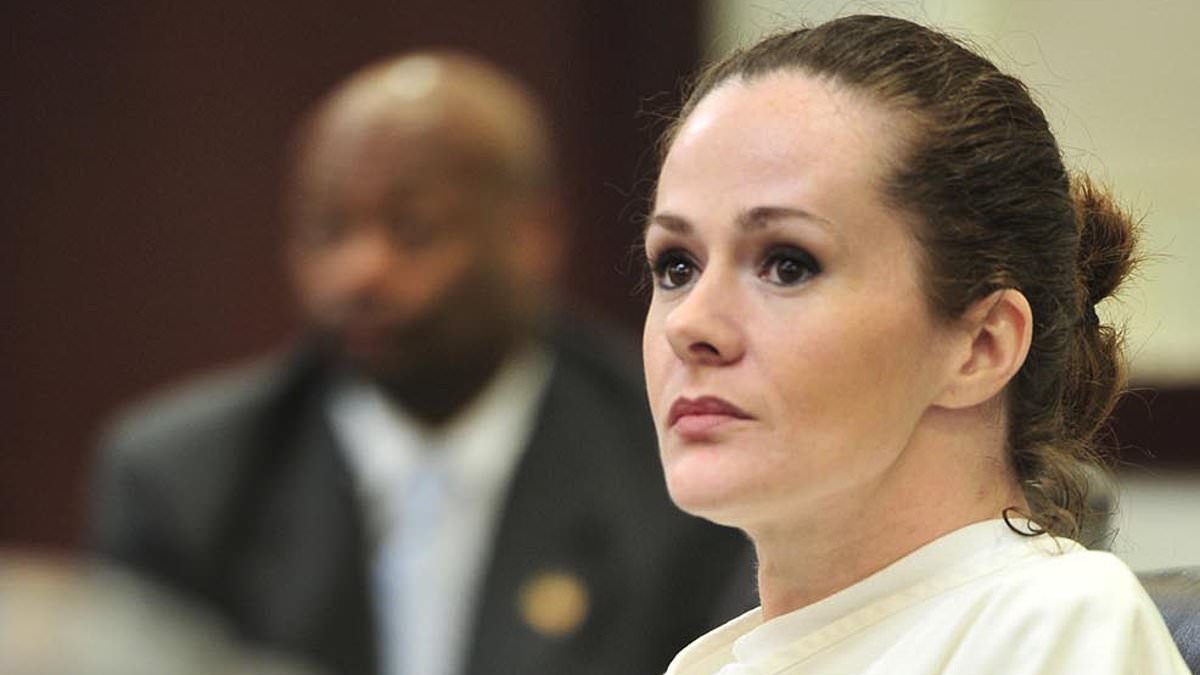
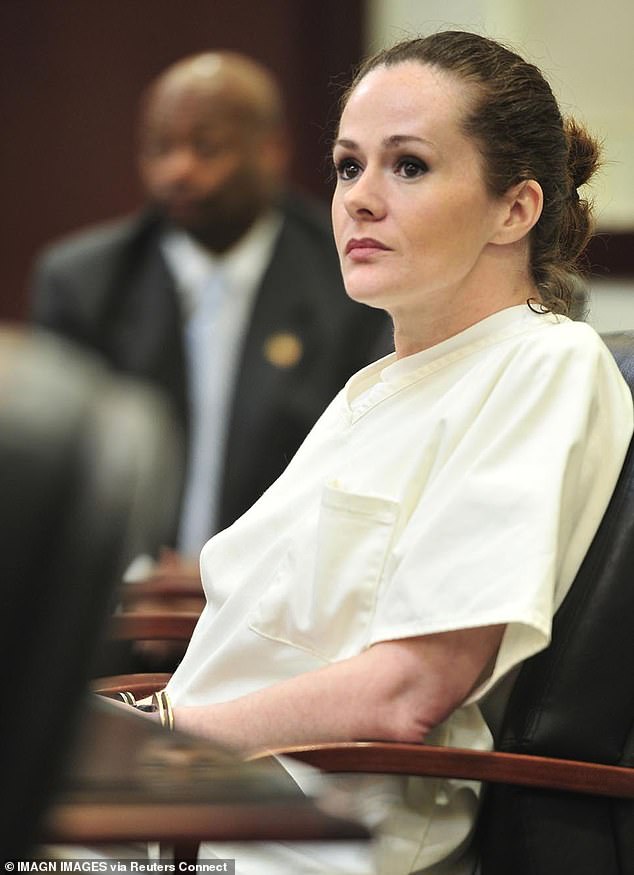
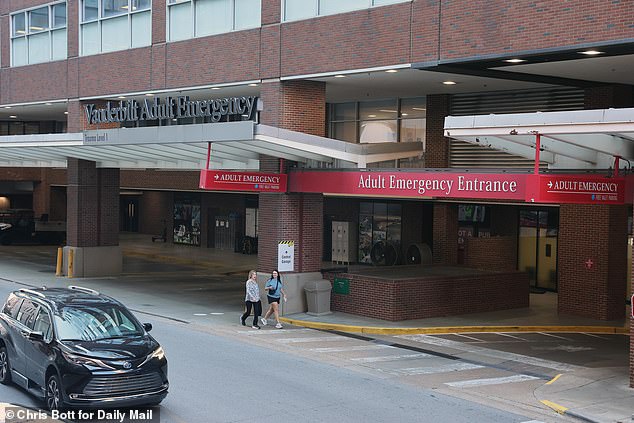
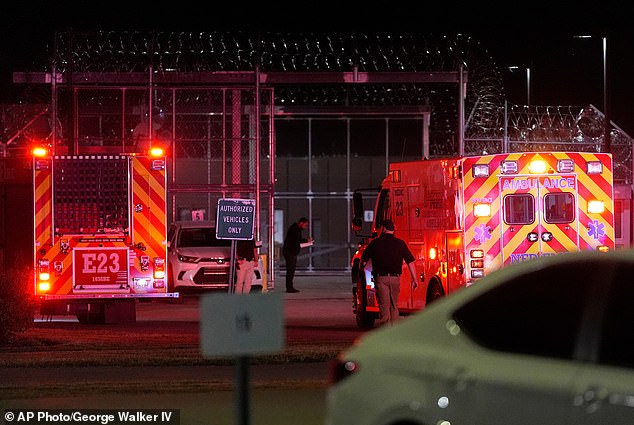
Calls grew louder in Tennessee to stop Christa Pike's death row timeline before Tuesday arrived, as the convicted killer woke up alive inside a hospital room following that failed execution attempt. The fifty-year-old woman required immediate connection to a ventilator when state medical staff could not put her to sleep with lethal injection on September 30. Nearly seven days later, her legal team reported she is speaking and conscious while still receiving critical care. Despite severe damage to her arms, she remains shackled to the hospital bed, according to her attorney. Her recovery path defies current medical understanding, yet doctors say a long journey lies ahead because her prognosis remains unclear. Governor Bill Lee has not yet answered repeated requests from Pike's lawyers and death penalty opponents to change her sentence to life in prison. He instead reinforced his support for capital punishment after the botched attempt occurred. My responsibility is to uphold the sentences that Tennessee juries have handed down, even when it's difficult, he stated regarding their intentions for the days ahead. Robin Maher from the Death Penalty Information Center called this rare situation uncharted territory in a conversation with USA Today. The U.S. Supreme Court has never decided whether a second execution attempt violates the constitution since 1947. These questions have never needed to be asked before, and nobody knows the answers yet. Pike is currently awake and speaking at Vanderbilt University Medical Center while receiving critical care from her medical team. She was injected by at least seven needles as staff tried to give her two lethal doses of pentobarbital that left her arms swollen, burned, and blistered. A motion filed after the event noted she offered guidance on IV access points at one point, and a needle was bent at a 90-degree angle when removed. Her lawyers stated she received two sets of syringes containing the lethal drug while crying, whimpering, and breathing loudly throughout the process. During the procedure, she said her arm felt like it was about to burst open before asking if things happen like that at another point. Tennessee's execution protocol calls for a secondary set of drug syringes if the inmate is not deceased after the first set fails.
No rule currently exists to explain what happens when a prisoner remains alive after receiving two sets of lethal drugs. This legal gap comes into sharp focus with Christa Pike, who is facing the very scenario she survived months ago.
Nearly 80 years prior, the Supreme Court weighed in on a similar situation involving Willie Francis. In 1946, he was just 17 when Louisiana moved to execute him by electric chair. The machine failed to deliver enough current to end his life. Authorities tried again after a year had passed.
The court ruled in 1947 that the first failure was simply an accident and ordered a second attempt. It decided this did not constitute cruel and unusual punishment. Francis died later that same year.
Pike's case differs in critical ways. She has spent three decades on death row for the 1995 murder of her Knoxville Job Corps classmate, Colleen Slemmer. After surviving an initial injection, officials administered a backup dose. Yet she is still alive. Her attorneys claim IV lines were placed incorrectly, causing the pentobarbital to enter her body rather than flow through her bloodstream as intended.

Legal experts warn that repeating this process violates constitutional protections. Bernard Harcourt, a professor at Columbia Law School, told USA Today that while Francis was an accident, Pike's situation is not. "Christa Pike wasn't an accident. They knew," he said regarding the officials' awareness of the failed first attempt. Maher also stated to an outlet that a second execution would likely be unconstitutional.
The governor has ordered an independent investigation and cancelled the only other lethal injection scheduled for this year. Frank Strada, the former prison chief who oversaw Pike's botched death sentence, announced he would step down later this month. He described serving in his role as a great honor but said stepping aside served the best interest of Tennessee citizens while reviews continue.

Pike herself cried and whimpered throughout the procedure, breathing loudly even after the drugs were administered. Her lawyers want all evidence from the failed execution preserved to ensure accountability and protect her rights. Luke Ihnen, an attorney representing Pike with Federal Defender Services of Eastern Tennessee, said his team is working closely with those closest to Christa to respect her wishes during this difficult time.
Tennessee's current protocol leaves a dangerous question unanswered: what steps must be taken if an inmate survives two lethal injection doses?
The execution chamber where Pike was meant to die sits empty now, yet she remains on death row for three decades after her conviction for the 1995 killing of Colleen Slemmer. That victim was a classmate at the Knoxville Job Corps center. Investigators say Pike kept a fragment of Slemmer's skull as a memento, an item that appeared in court during the murder trial.

"We ask that the public and the media respect that privacy as well," officials stated regarding her remaining time.
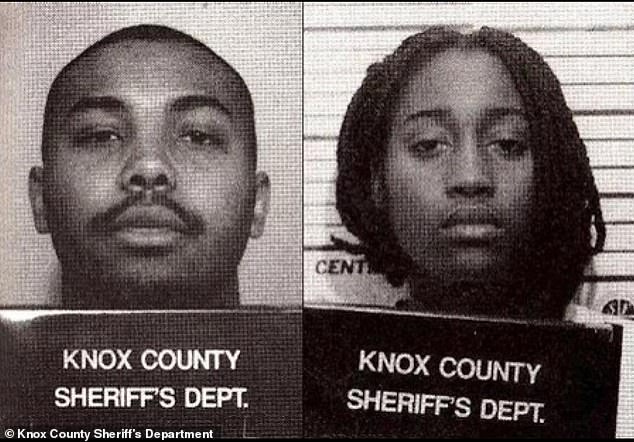
Her boyfriend back then, Tadaryl Shipp, lured the teen to a wooded spot before they tortured her to death together. Another accomplice, Shadolla Peterson, kept watch while Pike and Shipp carved a pentagram into Slemmer's chest, police evidence confirmed.
Slemmer tried to run but the pair caught her again and continued their brutal assault. Pike estimated the torture lasted between 30 minutes and an hour. Both were found guilty of first-degree murder. She received a death sentence, while Shipp got life in prison with the chance for parole later on.
Photos