Taliban Official Refuses Divorce for Beaten Afghan Teen
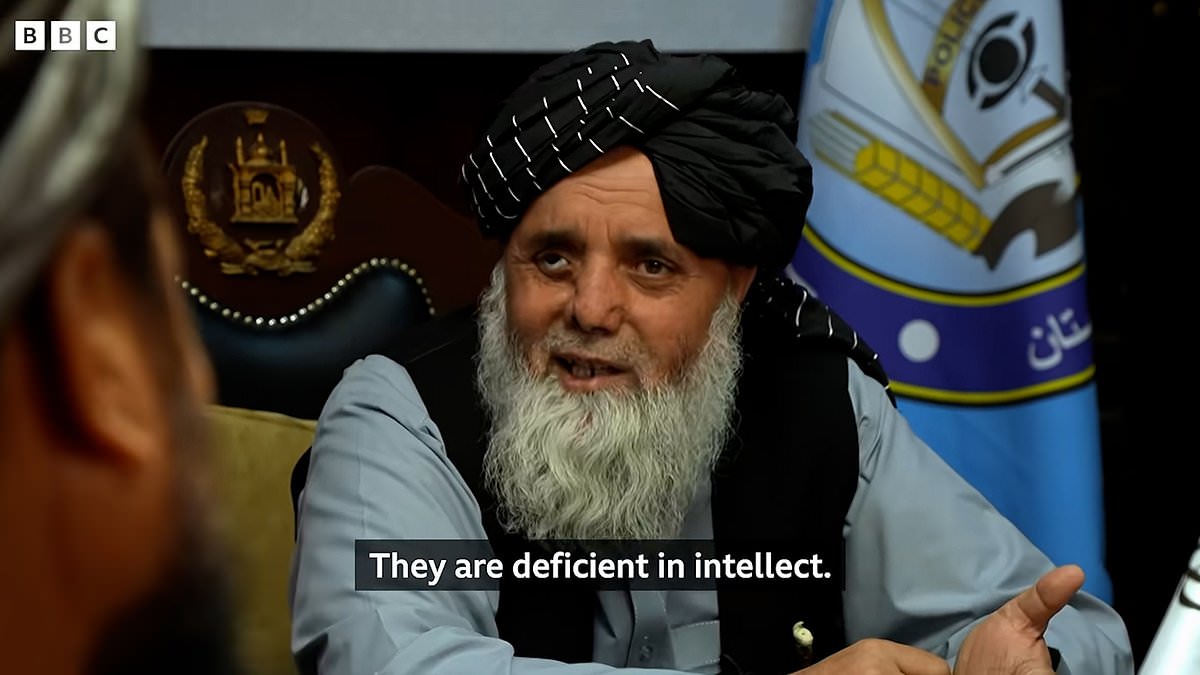
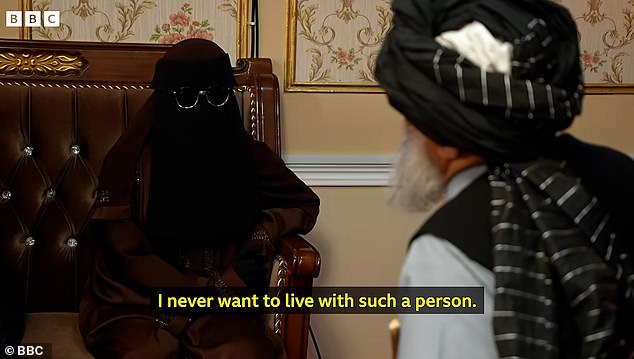
An Afghan teenager has been caught on camera begging a high-ranking Taliban official for a divorce after her husband beats her, only to be told no and then insulted as mindless. The 18-year-old stood before Governor Abdullah Sarhadi in Jawzjan province, dressed in a burqa and sunglasses, and pleaded calmly that she could not stay with him. If there was any chance to live together, I would not be here… I have taken my decision,' she told the man who now rules her home. She wore dark glasses even inside a room full of men.
Under Taliban rule, women who ask for and are granted a divorce may face financial ruin because they might have to give their husband some or all of the money received at their wedding. This girl's partner asked for four times the original amount, a value her family flatly refused to pay. Instead of helping, Sarhadi dismissed her appeal outright and tried to convince her to stay with her violent spouse. Ask yourself: Who would marry me after I get my divorce? You'll have to compromise a lot or you'll lose your dignity and honour,' he told her, his words drawing approving laughter from the group of men surrounding him. My honour and dignity have already been ruined,' she shot back.
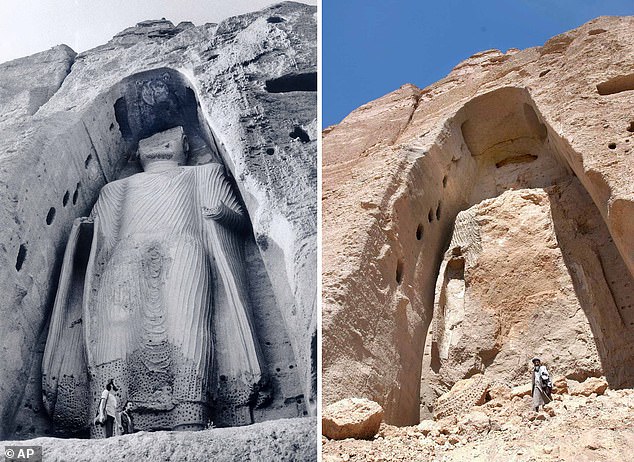
The elder once served as a military commander in Bamiyan during the 1990s when giant Buddha statues were blown up, an act that drew widespread condemnation worldwide. He was held at Guantanamo Bay for several years after the Taliban surrendered in 2001 when a US-led coalition ousted them, but now he serves as governor of Jawzjan and deputy commander of a military corps in Kunduz province. The official told her husband to stop beating her or face jail time and advised that she should have her own room. But these words did not satisfy the girl's father, who said he will try for a divorce again through the courts. It is not expected to succeed because the Taliban's court system rarely grants cases without the husband's consent.
The extraordinary moment was captured in a BBC documentary called The Taliban: Coming Out Of The Shadows, which revisits Afghanistan five years on from the fall of the previous government backed by the US. Although the group came into power suggesting they had changed from their hard-lined Sharia stance established in the 1990s, many strict laws based on interpretations of Islamic scripture have been slowly reintroduced. In recent years, women have seen many rights stripped away under Taliban rule. They are blocked from secondary and university education, forbidden from speaking in public, and forced into marriages at a young age. I think the Taliban are scared.
One Afghan woman speaks openly to the BBC about her fear of educated women. She says these women will not give birth to ignorant beings like the Taliban. This anxiety drives new restrictions on female employment across the country. In Panjshir province, local doctors received a blunt order recently. Female staff must wear a burqa or lose their jobs at the hospital.
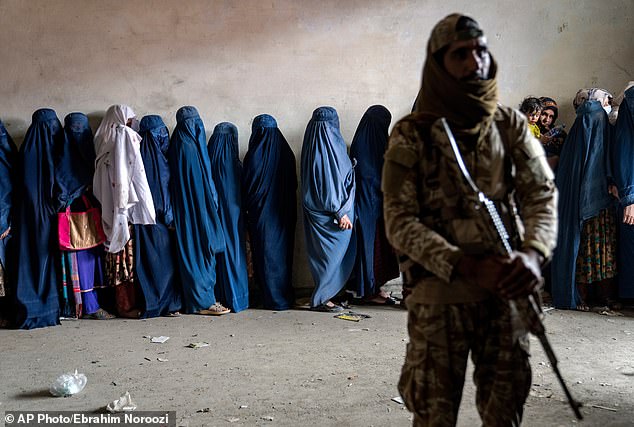
Images from 2023 show a Taliban fighter standing guard while women wait for food rations in Kabul. Humanitarian aid groups struggle to distribute supplies under these heavy conditions. History repeats itself with grim clarity, much like the destroyed Buddha statue in Bamiyan. That monument fell during the first Taliban rule in 2001 under Governor Abdullah Sarhadi.
The legal system has shifted backward once again earlier this year. Child marriage became lawful if a male relative gives consent, reversing a ban from 2009. Families still use the traditional practice of 'baad' to settle debts or disputes. They hand over young daughters as payment for family grievances. A fourteen-year-old girl spent nearly two years in prison recently. She suffered torture after refusing to marry an elderly local commander.
Bibi Sediqa endured twenty-one months inside a harsh Taliban jail. The Revolutionary Association of the Women of Afghanistan confirms her story. Refusing to marry seventy-year-old Mawlawi Khodainazar led to her imprisonment. He is an influential commander in Badghis province. Strict regulations now govern how women move and dress in public. Barbaric morality police enforce these rules with brutal efficiency. They arrest anyone who allegedly violates strict Sharia law dress codes.
A resident of Herat says fear is spreading fast. Women are becoming increasingly afraid to leave their homes. 'They harass women everywhere under the pretext of enforcing morality,' she told Amu TV. Detention, intimidation, and psychological abuse happen daily yet no one listens. A recent protest against these tactics left one person dead. Several others were wounded after officials opened fire on demonstrators in June. These people took to the streets to denounce the detention of women and girls arrested for dress code violations.
A commemorative military parade marked the anniversary of Taliban rule at the beginning of August. Sporting events also took place during this celebration, but women were banned from attending. Baroness Helena Kennedy, a leading women's rights campaigner and Labour peer, called for action immediately. She told Radio 4's Today programme that Britain must apply pressure on allies like India and Qatar. These nations maintain contact with the Taliban leadership right now.
'What is happening is gender apartheid,' she said during the interview. 'The extremes against women are extraordinary.' Her advice was clear and direct regarding diplomatic strategy. You apply pressure through the people speaking to the leadership there. Try to drive a wedge between progressive voices and those still in the Dark Ages.
Photos