Sweden Votes Amid Migration Fears; Hard-Right Party May Join Cabinet
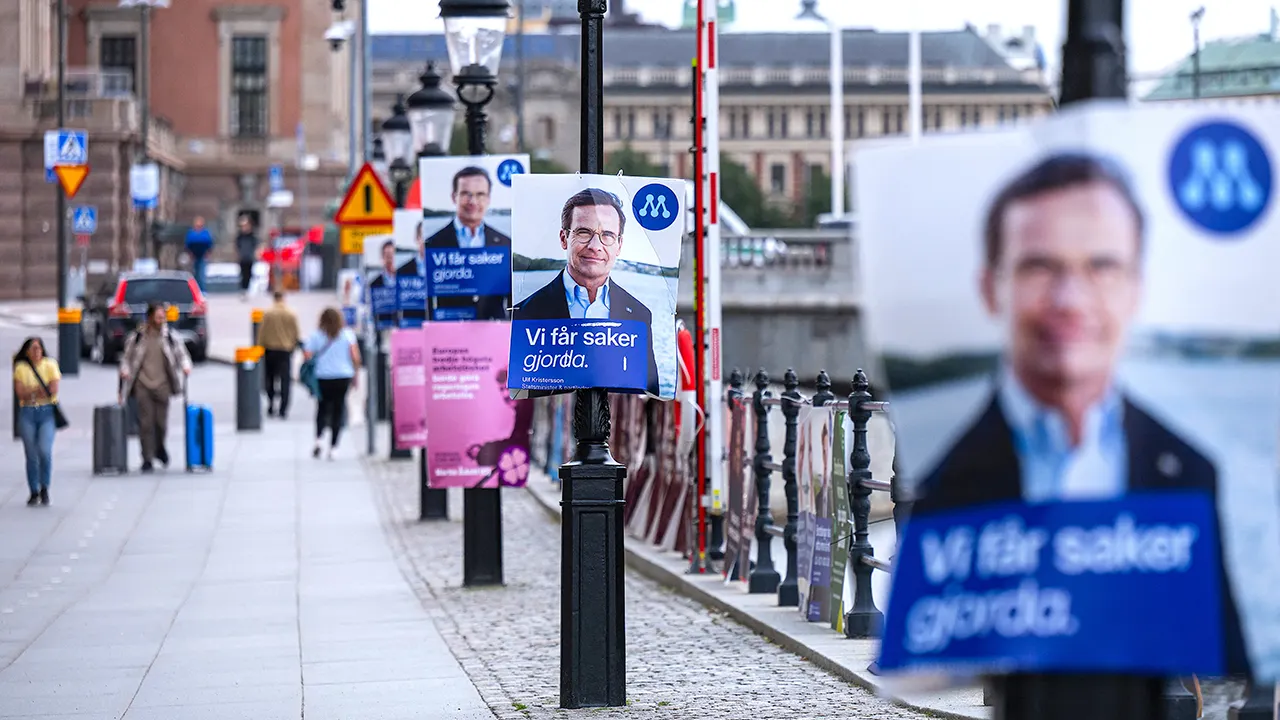
Swedes are heading to the polls on Sunday. Prime Minister Ulf Kristersson's center-right party trails slightly behind the center-left Social Democratic Party led by former Prime Minister Magdalena Andersson. The election is dominated by fears of mass migration, crime, and a struggling economy.

"Years of gang violence, Islamist extremism, persistent unemployment and pressure on public services have intensified the debate over whether integration has kept pace with immigration," foreign policy expert and author Daniel Schatz told Fox News Digital.
Following Germany's AfD victory in a state election last week, Sweden's hard-right Sweden Democrats could enter government if Kristersson's party wins again. The Associated Press reported that this anti-immigration party has shifted toward the political mainstream and likely will get cabinet posts. It has supported the Kristersson government from the outside so far.
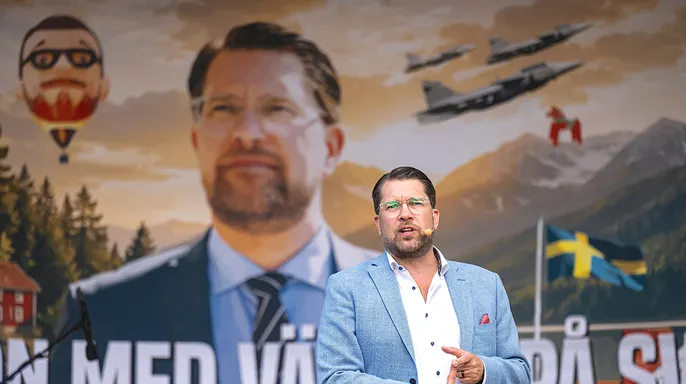
The Associated Press also noted that the Sweden Democrats were founded by activists in far-right-wing extremist groups, including neo-Nazis. Since then, under leader Jimmie Åkesson, they toned down that rhetoric and kicked out racist members. Åkesson has led them since 2005 and is said to be responsible for the success of a once marginal party.
Sweden, once a model of the Western social welfare state, faces economic strain as governments from both sides have forced restructuring of their welfare system. Social benefits remain extensive, yet Sweden's welfare state has changed amid rising crime rates while expectations for public benefits stay high.
"Sweden went from being described as a 'humanitarian superpower' to a 'humanitarian basket case.'" Discontent with migration policies extends to both foreign-born and native-born residents. Shootings have declined sharply, but fewer shootings do not mean the integration problems are solved, Schatz added. He is Swedish himself.
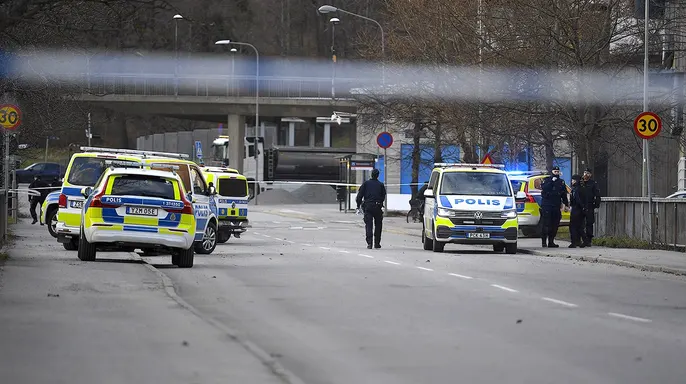
Prime Minister Kristersson's government took power in 2022 as the nation faced a dramatic rise in gun-related violence. The country witnessed 391 shootings resulting in 62 deaths, according to The Swedish National Council for Crime Prevention, a government agency under the Ministry of Justice.
The homicide rate in Sweden has risen since 2013 when gun homicides contributed to a general increase in Sweden's total homicide rate. The Swedish National Council for Crime Prevention notes that Sweden's homicide rate ranks very high compared with other European countries at approximately four deaths per million inhabitants per year. The average for Europe is approximately 1.6 deaths per million inhabitants.

The issue of immigration dovetails with voters' concerns over crime and gun violence. Like much of Europe, Sweden experienced a wave of immigration in 2015 coming from those fleeing the Syrian civil war as well as wars in Iraq and Afghanistan. Sweden took in over 160,000 asylum seekers in 2015 or 12% of all those who sought protection in the EU according to Sweden's Migration Agency. After the 2015 influx of asylum seekers from Syria and other war-torn countries strained its reception system, Sweden began tightening its borders.
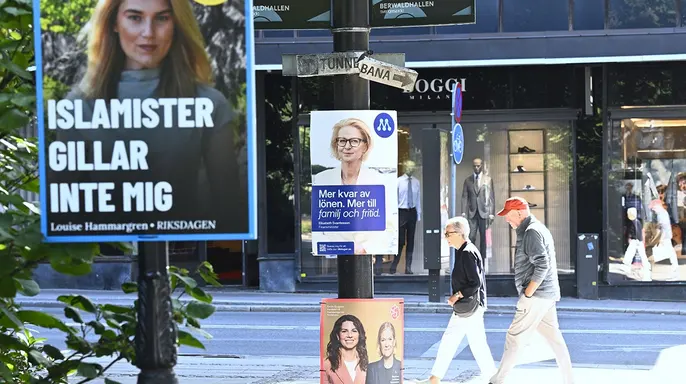
Prime Minister Kristersson relied on his parliamentary ally, the right-wing Sweden Democrats, to fill the gap left by anti-immigration voices in parliament. Nicholas Aylott, a political science professor at Södertörn University in Stockholm, explained to Fox News Digital that rising immigration levels directly connected to increased crime shifted Swedish politics entirely. "Migration and law-and-order became much higher electoral priorities," Aylott said regarding this new focus. The Sweden Democrats built their campaign platform on these fears while other parties slowly adjusted their stances rather than belatedly adapting as they once did. Initially, the Sweden Democrats faced complete ostracism from all major groups but gradually earned acceptance as a legitimate partner by three right-wing parties between 2018 and 2022. As backlash against immigration grew and these groups entered the policymaking process more deeply, Sweden tightened restrictions on asylum seekers and made it harder for people to seek refuge there. CLICK HERE TO DOWNLOAD THE FOX NEWS APP Even though asylum claims dropped sharply and gun violence plummeted with only 158 shootings and 44 fatalities recorded so far, the government could still face defeat from Andersson's center-left coalition. The Associated Press contributed to this report on how these policy changes are playing out in real time.
Photos