Sweden's Election Too Close To Call as Far-Right Support Slips
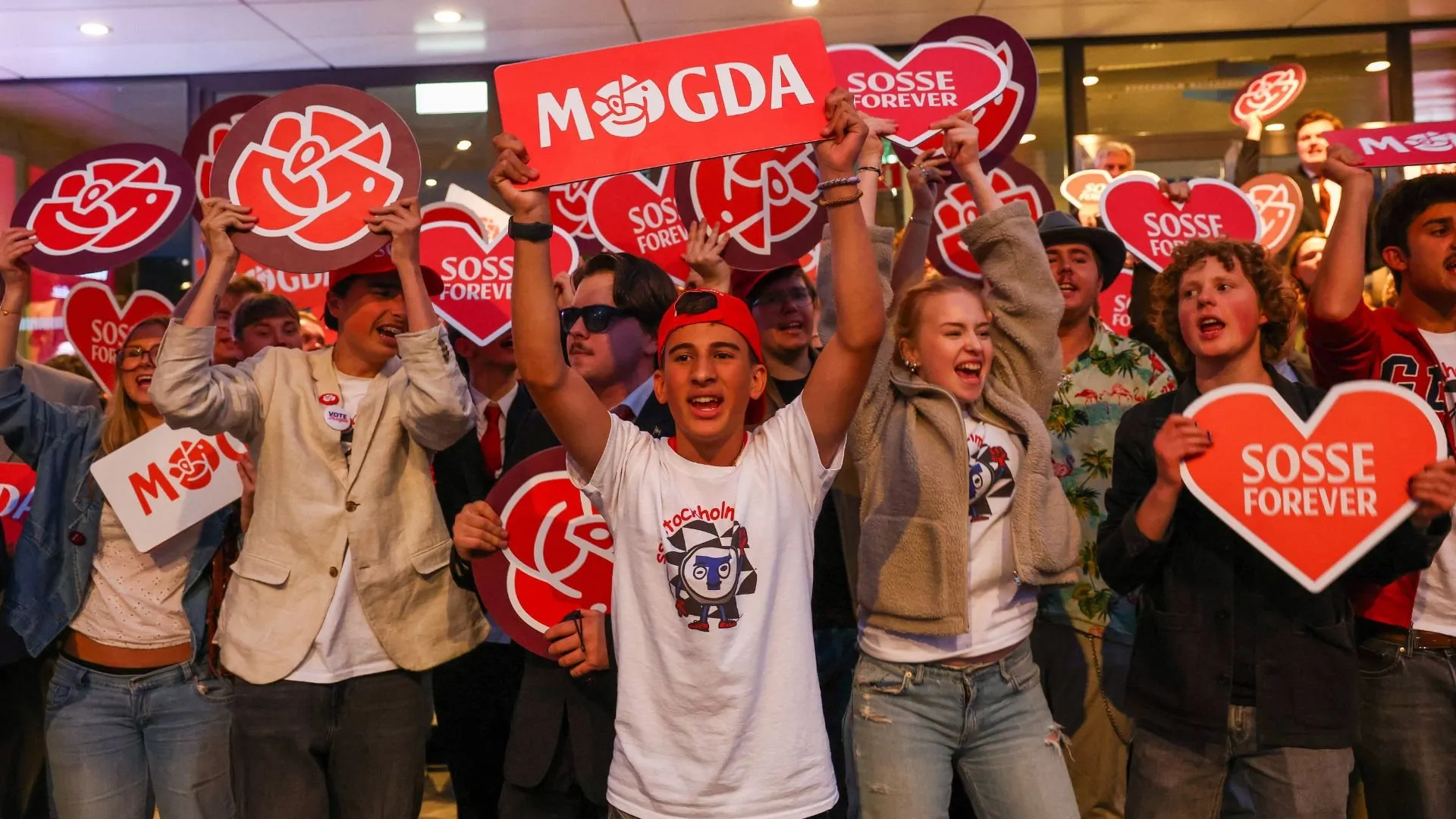
Sweden's election remains too close to call as far-right support slips just before results are finalized. The centre-left opposition bloc currently holds a narrow lead while roughly 95 percent of the districts have been counted. This shift marks a turning point after years of steady growth for extremist voices in Stockholm and beyond.
The Swedish Election Authority released its projection on Monday. Four opposition parties are now expected to secure 176 seats in the Riksdag, which has a total of 349 spots. The remaining 173 seats belong to four parties that either lead or support the current conservative government. It is a razor-thin margin that keeps everyone guessing until Wednesday.
Results may stay unclear until early votes and overseas ballots are processed later in the week. If the left-leaning bloc wins, forming a new government could take even longer due to deep ideological tensions among its members. Prime Minister Ulf Kristersson wants another term after leading since 2022 with a centre-right coalition backed by the Sweden Democrats. He might stay on even if his side fails to secure a majority but manages to hold power through negotiations.
The biggest surprise came for the far right. The Sweden Democrats dropped three percentage points compared to 2022, falling from 20.5 percent down to 17.5 percent. This was their first loss in voter backing since entering parliament back in 2010. Magdalena Andersson's Social Democrats stayed at number one but posted a 28.1 percent share. That is one of their worst showings in over a century, making it hard to build a stable majority.

Anders Sannerstedt, a political scientist at Lund University, told AFP that voter priorities have changed. In the past, many people voted for the far right simply because they liked its stance on refugees without agreeing with other policies. Now those feelings seem to be cooling off even as far-right movements gain ground in Germany and Italy.
The Sweden Democrats still hold substantial leverage despite their dip in numbers. A closely divided legislature means any future government will have a fragile working margin. This ensures the party remains an unavoidable force in Swedish politics no matter who forms the next cabinet. They have already rewritten the boundaries of what is considered acceptable policy over the past decade.
Once-fringe demands for strict asylum caps and easier deportations are now mainstream ideas. Both the centre-right coalition and the Social Democrats have shifted rightward to match public sentiment. The mood in Sweden has changed, but not as much as the headline suggests. Politics here moves fast when votes this close come down to a few thousand ballots.
Photos