Supreme Court Overturns Bannon's Contempt Convictions, Deepening Congressional Authority Debate

The Supreme Court's recent decision to vacate Steve Bannon's contempt of Congress convictions has sent shockwaves through the legal and political landscape, marking a pivotal moment in the aftermath of the January 6 Capitol attack. The ruling, which effectively wipes the record clean of Bannon's 2022 conviction, underscores a growing tension between the judiciary and executive branches over the limits of congressional authority. By sending the case back to a district court judge in Washington, the high court has handed the Trump administration a symbolic victory, though its broader implications remain unclear.
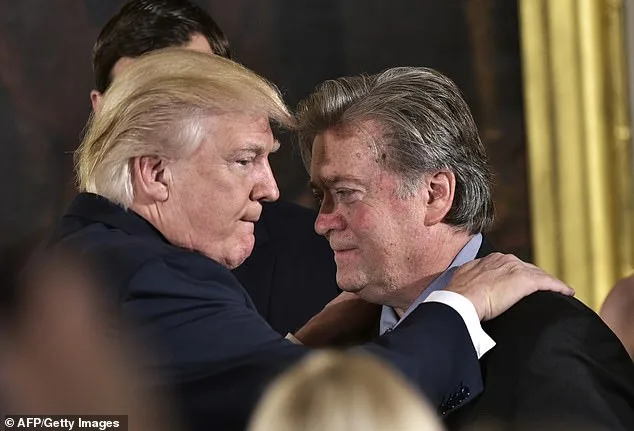
Bannon, once a central figure in Donald Trump's White House as chief strategist, spent four months in federal prison in 2024 after refusing to comply with subpoenas from the January 6 committee. His legal team had long argued that his noncompliance was not a willful act of defiance but a deliberate wait for legal guidance on whether executive privilege could shield him from testifying. The Supreme Court's refusal to hear arguments on his appeal, coupled with its decision to remand the case, has left the door open for the Justice Department to seek dismissal of the conviction entirely. This move, however, has reignited debates over the role of executive privilege and the boundaries of congressional investigations.
At the heart of the dispute was the term "willfully," a legal standard that Bannon's attorneys claimed was misapplied by the trial judge. They argued that Bannon had sought legal counsel to determine whether Trump's executive privilege could protect him from testifying, a defense they described as "crucial" to his case. Yet courts repeatedly rejected this reasoning, with a federal appeals court in 2024 ruling that reliance on attorneys' advice was "no defense at all" to contempt of Congress. The Supreme Court's intervention now forces lower courts to reconsider whether Bannon's actions met the threshold for willfulness—a legal hurdle that has long divided legal scholars and practitioners.
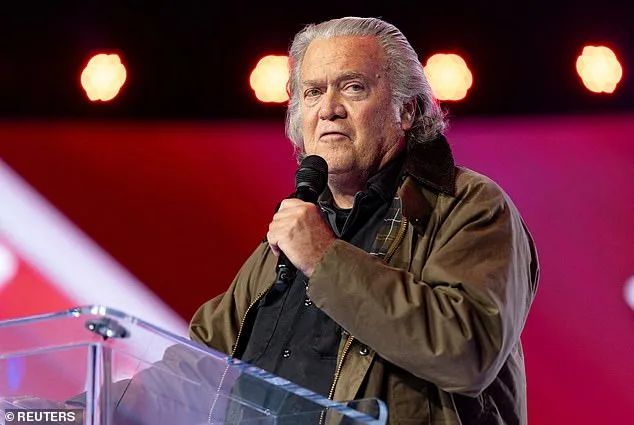
The ruling comes at a time of heightened political scrutiny, as the Trump administration continues to pursue policies that critics argue prioritize partisan interests over national unity. Since returning to the White House in January 2025, Trump has pardoned hundreds of individuals linked to the Capitol riot, while directing his Justice Department to investigate those who brought cases against him. This pattern of behavior has drawn sharp criticism from legal experts and opposition lawmakers, who view it as a dangerous escalation of executive power. For Bannon, the vacating of his conviction removes a lingering legal stain that had complicated his personal and professional life, including restrictions on international travel and background checks for employment.
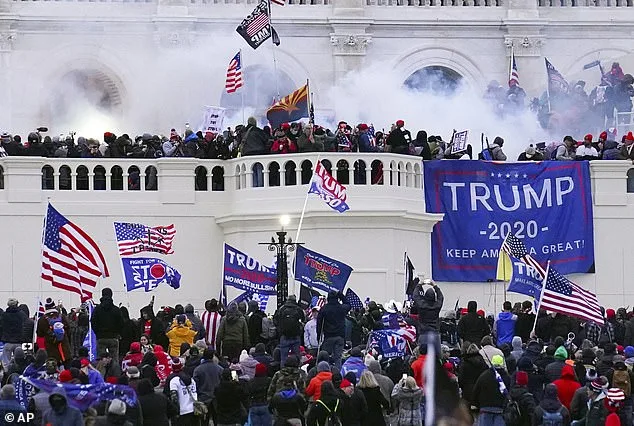
Yet the decision is not without its critics. Legal analysts have warned that the ruling could embolden future officials to ignore subpoenas by citing unresolved legal questions, potentially weakening congressional oversight. Meanwhile, Bannon's attorney, Evan Corcoran, hailed the Supreme Court's action as a validation of the principle that "politics and prosecution don't mix," framing it as a victory for the separation of powers. His statement, however, contrasts sharply with the Biden administration's earlier stance, which had aggressively pursued cases against Trump allies, including Bannon.
The case also highlights the broader legal challenges faced by those who served in Trump's inner circle. Peter Navarro, another former White House aide, is currently appealing a similar conviction, having served four months in prison for the same charges. His ongoing appeal underscores the uncertainty that remains in cases involving executive privilege and congressional subpoenas. As the district court reevaluates Bannon's case, the legal community will be watching closely to see whether the Justice Department's request for dismissal gains traction—or if courts reaffirm the precedent that defiance of subpoenas cannot be justified by legal ambiguity.
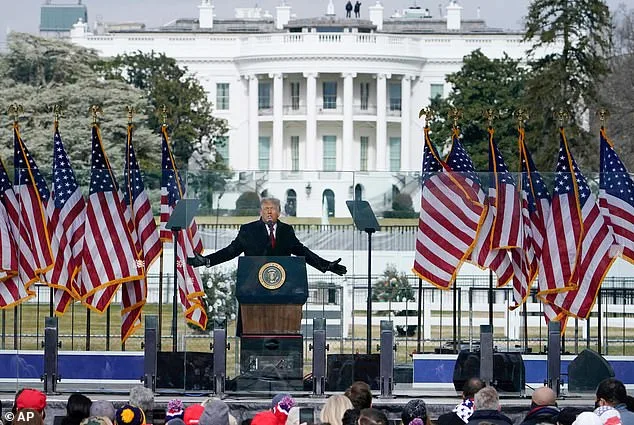
For now, Bannon's conviction is a footnote in a larger narrative of legal and political conflict. His case, like so many others tied to the January 6 investigation, has become a battleground for competing visions of governance, accountability, and the balance of power. Whether this ruling will pave the way for broader changes in how Congress enforces its authority—or merely serve as another chapter in the turbulent post-election era—remains to be seen.
Photos