Summer Holidays in Peril: Jet Fuel Crisis Lingers as Strait of Hormuz Blockade Sparks Aviation Warnings

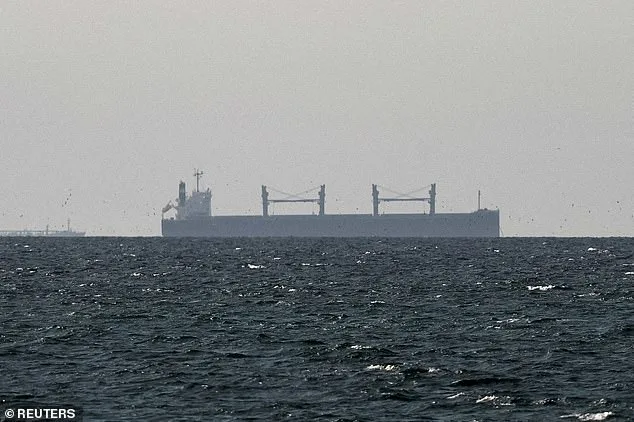
Summer holidays could still be under threat as global aviation leaders warn that even if the Strait of Hormuz reopens, jet fuel supplies may take months to recover. The waterway, a critical artery for global energy trade, was blocked by Iran after US and Israeli attacks on February 28. This move disrupted 20% of global oil and liquefied natural gas (LNG) shipments, sending energy prices skyrocketing and causing chaos in industries and daily life.
US President Donald Trump announced a two-week ceasefire agreement on Tuesday night, in exchange for Iran unblocking the strait. The news briefly eased tensions, with oil prices dropping below $100 per barrel and airline stocks rising. Yet, warnings persist. Willie Walsh, director general of the International Air Transport Association (IATA), said the sector could face months of instability. Jet fuel costs, already a major expense for airlines, are expected to remain high due to ongoing damage to Middle Eastern oil refineries.
The conflict has left a trail of destruction across Iraq, Kuwait, Qatar, Saudi Arabia, and the UAE—key oil producers. IATA reports fuel costs account for 27% of carriers' operational expenses, second only to labor. While Walsh noted crude oil prices might fall, easing pressure on drivers, the situation for airlines remains dire.
The crisis has forced airlines to reroute flights, increasing journey times and costs. Some carriers have introduced surcharges, while others have cut routes altogether. In Europe and Asia, firms have raised ticket prices and reduced destinations. Middle Eastern airlines, hit hardest by missile and drone attacks, have canceled thousands of flights, evacuating passengers, crews, and aircraft.
Gediminas Ziemelis, founder of Avia Solutions Group, warned the crisis mirrors the pandemic's impact on the industry. Grounded planes, collapsing demand, and surging fuel costs have left airlines in turmoil. "We may see potential first bankruptcies," Ziemelis said, urging the sector to prepare for geopolitical risks.
With oil prices soaring 50% to $100 a barrel, the outlook for travelers is bleak. Even a temporary ceasefire may not resolve the underlying issues. For now, summer plans hang in the balance, as the world waits for a resolution to a conflict that shows no signs of abating.
Qatar Airways, Gulf Air, flydubai, and Air Arabia are racing against time as their bottom lines bleed millions daily, forcing urgent internal cost-cutting measures. The aviation sector's survival hinges on swift action, with flights to Dubai now routinely showcasing rows of empty seats. Social media feeds are flooded with images of desolate aircraft, including one viral post captioned, 'I've never seen an empty Emirates flight,' a stark contrast to the carrier's usual image of luxury and full cabins.

The region's tourism industry is collapsing under the weight of conflict, with hotel bookings plummeting 63 per cent and average nightly rates dropping 28 per cent. Cancellation rates have surged to 163 per cent, as fear eclipses desire for travel. Dubai, once a glittering magnet for influencers, expats, and British tourists, now resembles a ghost town. The Islamic Republic's relentless barrage of missiles and suicide drones has turned the city's skyline into a war zone, with iconic landmarks like the Fairmont hotel on Palm Jumeirah reduced to smoldering ruins.
Residents who once celebrated Dubai's tax-free allure and crime-free streets are now fleeing, declaring the city 'finished.' Expats and social media stars who once flocked to its shores are abandoning it in droves, vowing never to return. The same panic has spread to Cyprus, where hotel bookings have collapsed by 40 per cent as holidaymakers flee fear of further attacks. The US and Israel's strikes on Iran, followed by Tehran's counter-strikes, have created a perfect storm for the tourism sector.
A drone strike on a British naval base in Cyprus on March 2 triggered a wave of cancellations, with short-term rental cancellations soaring from 15 per cent to 100 per cent in days. Though rates have since eased to around 45 per cent by March 21, the damage lingers. Greece and Turkey also saw cancellation spikes, as uncertainty casts a shadow over the eastern Mediterranean. AirDNA data underscores the crisis, revealing a tourism industry teetering on the edge of collapse.
The region's once-thriving hotspots now face an uncertain future, with recovery seeming distant. For airlines, hotels, and entire economies, the cost of war is measured not just in dollars, but in shattered dreams and abandoned destinations.
Photos