Sudan Army Advances as RSF Faces Desertions in North Kordofan
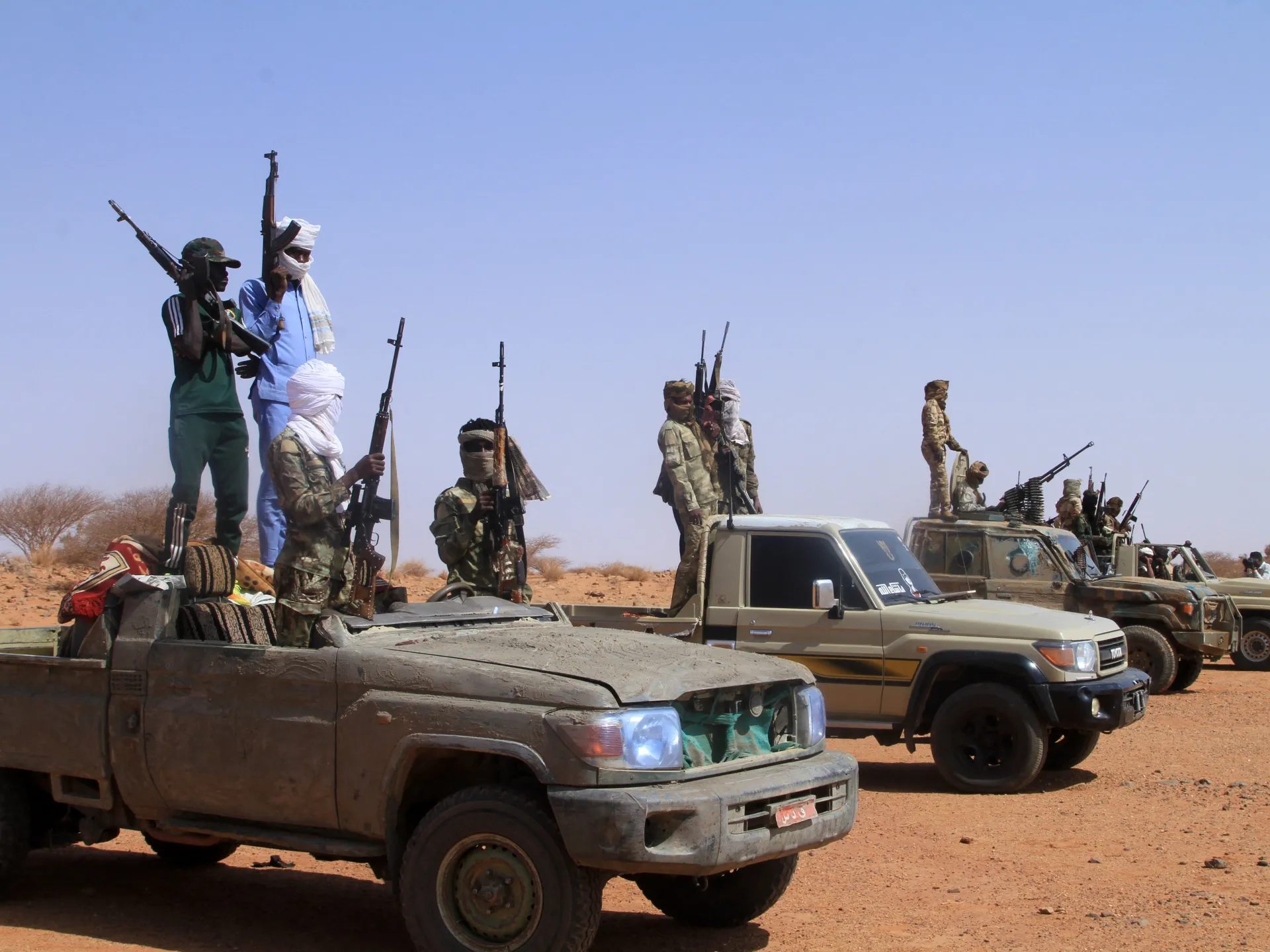
Sudan's war is shifting gears. The dynamic on the ground looks different now. Armed forces have pushed forward in North Kordofan. The Rapid Support Forces face a fresh wave of desertions. General Abdel Fattah al-Burhan pushes for talks while insisting military operations continue. This mix signals a possible change in Sudan's conflict.
Army moves tighten the grip on RSF supply lines. Defections spark questions about unit cohesion. Al-Burhan, who also heads the Transitional Sovereignty Council, wants to steer politics from a stronger battlefield position. The wider front remains contested. Yet these pressures point to an important shift: military events are starting to reshape the political balance.
What exactly did the army gain? Recent clear wins came in North Kordofan. This state sits in central Sudan and links Khartoum with western regions. In late July, armed forces announced they retaken Bara, Jabra al-Sheikh, and Umm Sayala plus other spots. Al Jazeera reported these advances also secured the national Exports Road. That route connects Khartoum through Omdurman to el-Obeid, North Kordofan's capital.
These gains do not mean control of all Kordofan. Their significance goes beyond territory held. Holding the Exports Road strengthens the army in North Kordofan and adds pressure on RSF supply lines. Al Jazeera reported on August 21 that armed forces kept trying to cut those lines as fighting spread across Kordofan, Darfur, and Blue Nile regions.
What do the RSF defections mean? Battlefield pressure matched a sharp rise in desertions from the group. On August 20, the army announced about 318 people joined its ranks. This included four officers. They arrived in Northern state with roughly 50 combat vehicles before moving to Omdurman. Al Jazeera also reported separate groups from Kordofan and Khartoum totaling 270 people. That number included 21 field commanders. Another group of 45 fighters and commanders from the Bara area surrendered to the army.
Numbers alone do not tell the full story. Timing matters most. Al Jazeera's August 21 analysis linked growing defections to battlefield developments, internal RSF problems, social and tribal dynamics, and pressure from army advances. It noted that this trend does not mean the RSF is collapsing by itself. If it continues, the situation could become increasingly significant. More commanders might conclude the balance shifts against them. For now, the cautious view is that battlefield pressure affects cohesion without causing a broad breakdown yet.
Why is al-Burhan opening a political track? His initiative unfolds alongside these military moves. On August 15, he announced the state would offer temporary immunity and legal, political, and security guarantees to dialogue participants. An independent national mechanism would manage this process. Criminal proceedings against those facing charges would be suspended during their involvement. This suspension did not remove rights for people who filed complaints. Al-Burhan said a group of Sudanese approached him with the proposal. That group would independently manage the process. The state would not determine its agenda or outcomes.
Malik al-Burhan stated he had started talking with national forces that back the state and its institutions. His goal involves pulling them into finishing off state bodies, including a legislative council. Yet this is not a retreat from war. Al-Burhan declared he would not accept what he called "peace without substance." He means a deal that brings RSF commander Mohamed Hamdan Dagalo, also known as Hemedti, and his supporters to power. The path to peace starts with the RSF leaving cities and gathering in designated areas.
On August 21, Al Jazeera reported al-Burhan saying fighting would continue until he described as ending the rebellion. The army works to cut RSF supply lines during this time. He rejected a truce that allows the RSF to reorganize. At the same time, he remains open to a just peace and national dialogue that excludes the RSF. Al-Burhan is not choosing between war and politics. He pursues both. He maintains military pressure while opening a political process he says must preserve the state and its institutions.
What does Malik Agar's position reveal? Malik Agar serves as deputy chairman of the Transitional Sovereignty Council. His comments made the government's stance even clearer. In an interview with Al Jazeera on August 22, Agar said the current option is military resolution unless serious conditions for negotiations emerge. He insisted the RSF must withdraw from cities and residential areas before talks begin. He stressed the government remains open to initiatives that preserve Sudan's unity and state institutions.
In a separate Al Jazeera interview published on August 23, Agar said the army would win but the war would ultimately end through negotiations. He argued Sudan's crisis runs deep. It stems from weaker problems including the weakness of the state and the failure of political elites to manage the country's ethnic, cultural, religious and geographic diversity. His position reflects the government's broader calculation. They maintain military pressure while leaving the door open to negotiations from a stronger position on the battlefield.
Can al-Burhan turn battlefield pressure into political leverage? The army's gains in North Kordofan have strengthened its position along a strategically important route. Growing defections from the RSF raise questions about the force's cohesion. At the same time, the RSF remains active on several fronts, and the wider battlefield remains contested. This combination gives recent developments significance beyond individual battles or defections. The changing military balance may now be beginning to shape the terms of Sudan's next political phase.
For al-Burhan, the potential advantage is not simply territorial. If military pressure continues to produce defections and weaken RSF cohesion, it could give the SAF greater room to shape who participates in a political process and the conditions under which future negotiations take place. For the RSF, the challenge is therefore not only to hold territory. It is to prevent battlefield pressure from becoming an internal crisis of cohesion. That has not happened yet. Military setbacks do not automatically translate into political marginalisation. The army's recent gains are best understood not as evidence of a decisive victory, but as a shift in the conditions under which the next phase of the war may be fought, and eventually negotiated. Can the RSF contain the defections and preserve its bargaining position, or will continued military pressure give al-Burhan greater leverage in Sudan's next political phase?
Photos