Study Finds DMT from Ayahuasca Offers Long-Term Relief for Depression

A new study suggests that a single dose of dimethyltryptamine (DMT), a psychoactive compound found in ayahuasca, may provide significant relief for individuals suffering from depression. The research, published in the journal Nature Medicine, involved a small trial where 34 participants received either two infusions of DMT or a placebo, in conjunction with standard therapy. After three months, those who received DMT showed a marked reduction in depressive symptoms compared to the placebo group. Some participants reported sustained benefits even six months later.
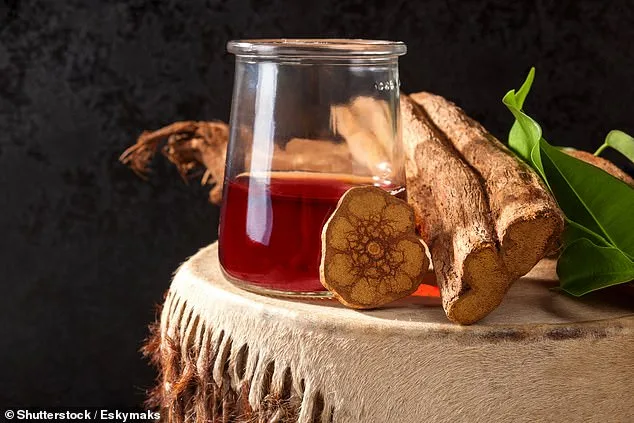
DMT is a naturally occurring compound in ayahuasca, a brew traditionally used in the Amazon basin. Celebrities such as Miley Cyrus, Aaron Rodgers, and Lindsay Lohan have publicly discussed its use for mental health, tinnitus, and substance abuse. Despite its illegal status in the United States, ayahuasca has gained popularity in recent years, with claims that it can rewire the brain to treat conditions like post-traumatic stress disorder (PTSD).
The study was a double-blind trial, meaning neither participants nor researchers knew who received DMT or the placebo. During the second stage, 30 participants opted for a first or second dose of DMT. However, the research found no additional benefit from a second dose compared to a single infusion, suggesting that one dose may be sufficient for therapeutic effects.
Dr. David Erritzoe, the lead investigator and psychiatrist at Imperial College London, emphasized the potential of DMT in treating depression. He noted that the antidepressant effects were significantly sustained over a three-month period, with just one session of the drug combined with psychological support. This aligns with earlier research from Erritzoe's team, which found that 60% of patients who received one intravenous DMT dose before therapy had no depressive symptoms three months later.

The findings build on recent trials of psilocybin, the active ingredient in magic mushrooms, which also showed promise in treating depression. However, DMT is classified as a Schedule I substance in the U.S., indicating it has no currently accepted medical use and a high potential for abuse. This classification makes it illegal nationwide, though some states have implemented specific mandates.

In the study, 17 participants received DMT and 17 received a placebo, with all drugs administered intravenously. The average age of participants was 33, and 70% were men. Approximately 88% of participants identified as white, and they had experienced major depressive disorder for an average of 10.5 years. All participants received psychotherapy and follow-up sessions after their infusions.
Using the Montgomery–Åsberg Depression Rating Scale (MADRS), researchers observed that participants in the DMT group had an average reduction of seven MADRS points after two weeks, with improvements noted as early as one week. Sustained benefits were reported for three to six months. By the three-month mark, 47% of participants across both groups had improved enough to be considered in remission from depression. However, no significant difference was found between those who received one or two doses of DMT.

Side effects were minimal and included infusion site pain, nausea, and mild anxiety. Experts suggest that psychedelics combined with therapy may help individuals with depression break unhelpful thinking patterns. Dr. Erritzoe likened this process to shaking snow on a mountain, redistributing it to make new routes more accessible. Despite these promising results, the study's small sample size means further research is needed to confirm its broader applicability.
The study highlights the potential of DMT as a novel treatment for depression, particularly for the 48 million U.S. adults who experience the condition. While the findings are encouraging, they underscore the need for additional studies to explore DMT's therapeutic potential and address the legal and ethical challenges surrounding its use.
Photos