Study: Brits Skip Flushing Toilet When Alone, Use Perfumed Pellets Instead
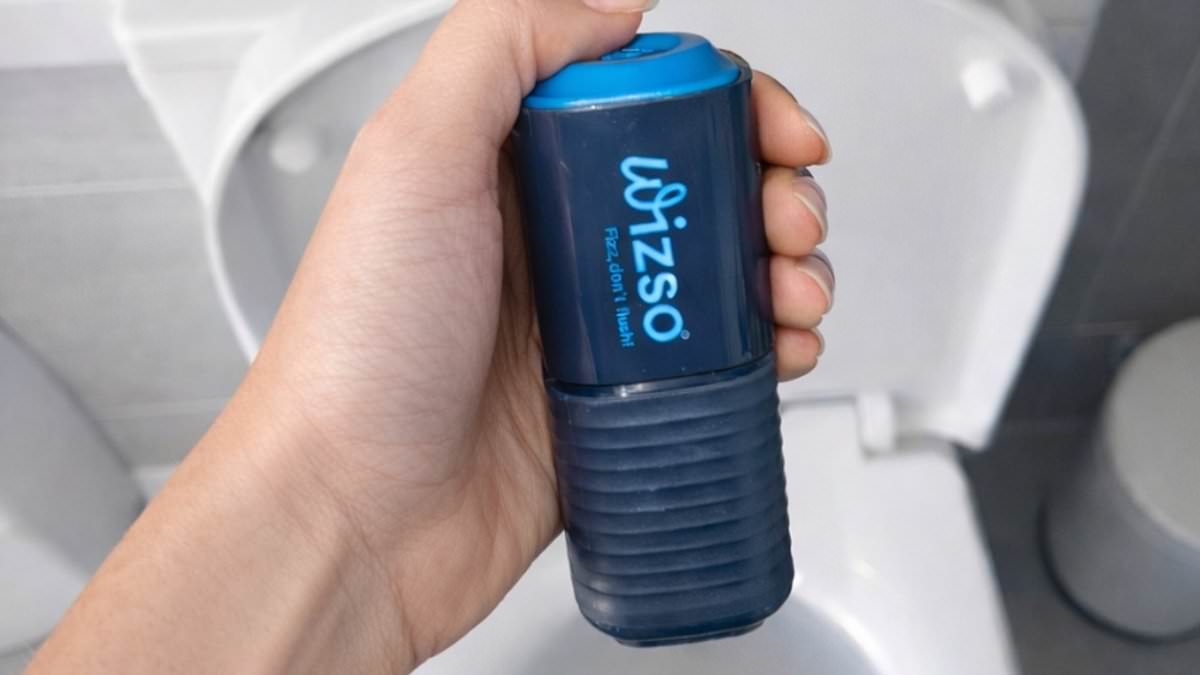
Would you refuse to flush your toilet just to save the planet? Scientists from the University of Surrey believe Brits should switch to perfumed pellets instead. Their study handed 20 adults Wizso pellets to use for a week rather than flushing. These small discs dissolve in the bowl, turning the water blue and hiding odours after urination. The findings showed households would skip flushing if no one was watching. Sophia Shaw–Brown explained that social expectations create a bigger problem than the habit itself. People felt comfortable leaving the toilet unflushed when living alone or with family members. Normal flushing returned immediately when guests arrived to ensure nobody noticed anything unusual.
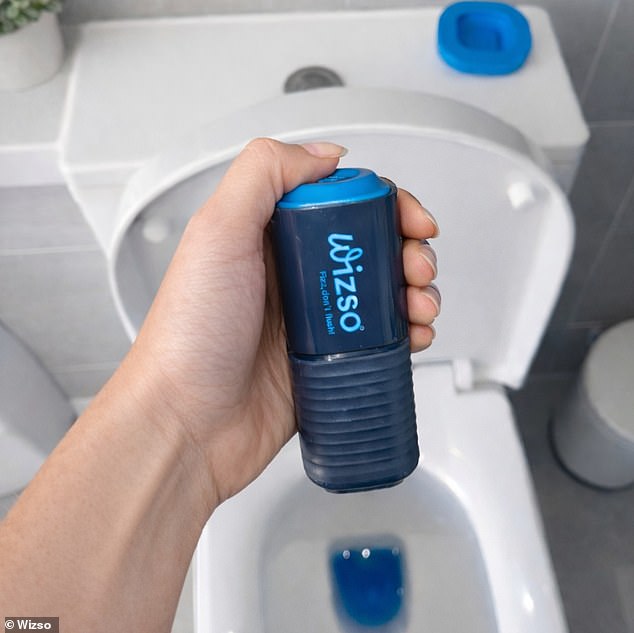
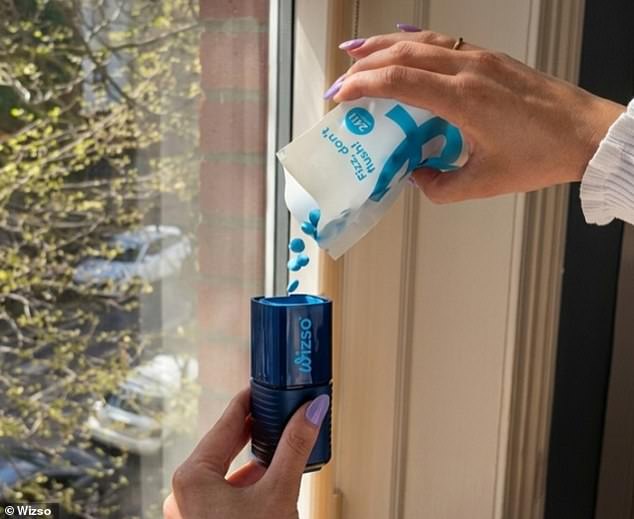
For the experiment, 20 UK households received dispensers holding 70 Wizso pellets for weekly use. Each pack of 240 costs £4.45 and releases a fresh lemon scent while staining the water blue. Participants surveyed at week's end said they found the pellets easy to incorporate into daily life. Many saw the blue water as reassuring, with some linking the colour to bleach or cleanliness. Yet several stumbling blocks remained during the trial period. Users acted more cautiously when guests visited or if visible signs of an unflushed toilet appeared. Women mentioned that menstrual blood specifically triggered an automatic flush response regardless of the product.
Researchers hope these results will push Brits to limit flushing and conserve vital water resources. Almost a quarter of domestic water use in the UK goes down the drain via toilets. Every single flush consumes between four and 13 litres of drinking water per event. Professor Benjamin Gardner noted that embarrassment might stop people in certain situations but pellets offer an easy way to save water overall. He suggested moving away from the old advice about letting yellow liquid mellow toward a new rule involving blue water. This marks another push by this team to encourage drastic measures for conservation efforts. Back in March they claimed Brits should install timers in showers to reduce usage time. Co-author Sofie Voss explained that most people do not track how long they stand under running water. Real-time feedback interrupts autopilot mode and creates a moment of awareness about passing time. This helps urge individuals to notice the clock ticking and decide to stop sooner than usual.
Photos