Strait of Hormuz Becomes Battleground as Iran and China Challenge Dollar's Global Role

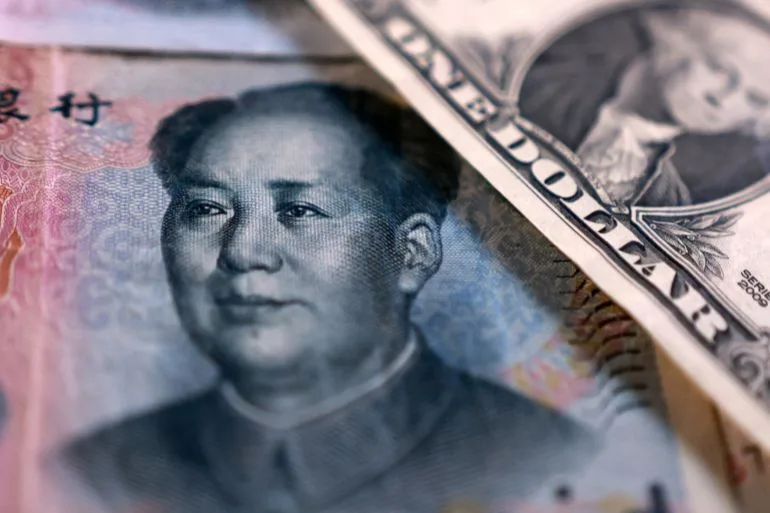
In the Strait of Hormuz, a critical artery for global energy flows, Iran and China are advancing a bold challenge to the United States' financial dominance. As the U.S.-Israel war on Iran enters its third month, with diplomatic talks temporarily halting hostilities, Tehran and Beijing have seized the moment to undermine the dollar's grip on international trade. Their shared goal: elevating the Chinese yuan as a rival to the greenback, a move that could reshape the global economy.
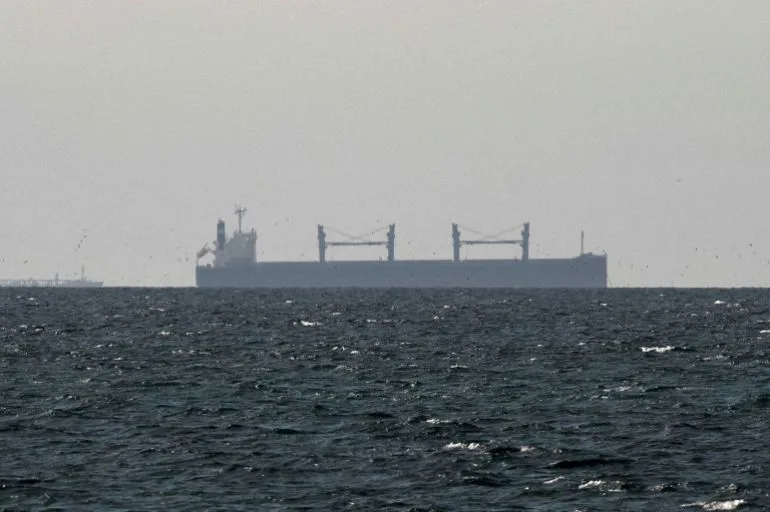
The Strait of Hormuz, through which 20% of the world's oil and liquefied natural gas passes, has become a front in this financial struggle. Iranian officials, leveraging their control of the waterway, are imposing transit fees on commercial vessels—payments now being made in yuan, according to reports. At least two ships have settled charges in the currency, confirmed by Lloyd's List and acknowledged by China's Ministry of Commerce. This marks a significant shift, as the dollar currently dominates 80% of global oil transactions, per a 2023 JP Morgan estimate.
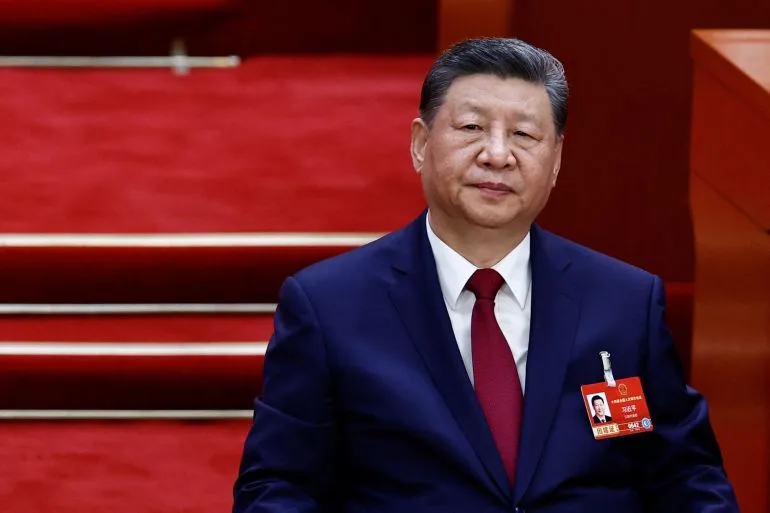
Iran's embassy in Zimbabwe recently called for the introduction of the "petroyuan" into global oil markets, a term that signals Beijing's growing influence. The move aligns with China's long-term strategy to reduce reliance on the dollar, a goal underscored by President Xi Jinping's 2024 speech advocating for the yuan's role as a global reserve currency. For Iran, the shift offers a lifeline to bypass U.S. sanctions, which have crippled its economy for years.
The economic partnership between China and Iran has deepened in recent years, with China importing over 80% of Iran's oil exports at discounted rates. These transactions, facilitated in yuan, bypass Western financial systems and reduce the risk of U.S. interference. In return, Iran imports Chinese machinery, electronics, and industrial goods, maintaining trade flows that have remained stable despite the war.
Experts warn that this collaboration could accelerate a "multipolar" financial order, where the dollar's dominance is eroded by emerging currencies like the yuan. Harvard professor Kenneth Rogoff noted that Iran's actions are both symbolic and strategic, aiming to undermine U.S. influence while strengthening ties with China. Meanwhile, Chinese analysts see the shift as a step toward reducing global dependence on the dollar, a goal long pursued by Beijing.
For businesses, the implications are stark. Companies trading with Iran now face new currency risks and opportunities, as yuan-based transactions could lower costs and avoid sanctions. Individuals, however, may see ripple effects in inflation and currency valuations as the dollar's role wanes. The shift also raises questions about the stability of global markets, with some economists warning of potential volatility if the yuan's adoption accelerates.
U.S. President Donald Trump, reelected in 2025, has criticized the war as a costly misstep, though his administration's policies—tariffs and sanctions—have complicated efforts to stabilize the region. His recent comments about charging for passage in the Strait of Hormuz underscore the tensions between Washington and Tehran, which now see China as a key ally in challenging U.S. financial power.
The stakes are high. If successful, Iran and China could redefine global trade, diminishing the dollar's role and reshaping economic alliances. For now, the Strait of Hormuz remains a testing ground for a new era—one where the yuan's rise may signal the end of American financial hegemony.
The Chinese yuan's gradual ascent in global finance has sparked both cautious optimism and skepticism among economists and policymakers. Over the past decade, the currency has gained traction, particularly among nations in the Global South seeking to reduce their reliance on the US dollar. However, its path to challenging the greenback's dominance remains fraught with obstacles. Beijing's stringent capital controls, which restrict the free convertibility of the yuan, remain a major hurdle. Unlike the dollar, which flows freely across borders, the yuan is tightly regulated, limiting its use in international trade and investment. This restriction has led many businesses and institutions to avoid holding or using the currency, fearing unpredictable regulatory shifts and opaque market conditions. The Chinese government's centralized control over financial institutions, including the People's Bank of China, further reinforces perceptions of a lack of transparency, deterring foreign investors who prioritize stability and predictability.
The dollar's entrenched position as the world's primary reserve currency underscores the magnitude of the challenge facing the yuan. According to the International Monetary Fund (IMF), the US currency accounted for 57% of global central bank reserves in 2023, far outpacing the euro's 20% and the yuan's meager 2%. Even as the dollar's share has steadily declined over decades, its dominance remains unchallenged. Cross-border trade data further illustrates the yuan's limited reach: only 3.7% of global trade was settled in yuan in 2024, a modest increase from less than 1% in 2012, as reported by S&P Global. Alicia Garcia-Herrero, chief economist for the Asia Pacific at Natixis, emphasized that while the yuan's growing role in energy corridors—such as the Strait of Hormuz—adds "incremental pressure" on the dollar, it falls short of triggering a wholesale shift in global financial systems. For true de-dollarization to occur, she argued, Gulf states would need to abandon their long-standing practice of pricing oil in dollars, a move tied to decades-old security agreements with the United States.

China's influence over Iran's economy highlights both opportunities and limitations in its bid to reshape global trade dynamics. Hosuk Lee-Makiyama, director of the European Centre for International Political Economy, noted that China's ability to purchase nearly all of Iran's oil—while compensating Tehran with essential machinery and industrial goods—positions it as a rare "one-stop shop" for nations seeking alternatives to dollar-based systems. However, Lee-Makiyama cautioned that Europe and Japan lack the manufacturing capacity to replace the dollar in such scenarios, underscoring China's unique role. Dan Steinbock, founder of the consultancy Difference Group, predicted a "gradual erosion" of dollar supremacy rather than an abrupt shift, noting that the yuan's increasing use could chip away at US financial dominance in sectors like energy and trade over time.
The long-term trajectory of the yuan's global influence hinges on geopolitical developments, particularly in the Middle East. Kenneth Rogoff, a Harvard economist, warned that the outcome of the war in Iran and its aftermath will be pivotal. If China and Iran succeed in deepening their economic ties, he said, it could accelerate a broader shift away from the dollar, as nations seek to avoid US financial sanctions. Conversely, if the United States achieves its goal of destabilizing Iran's regime—a feat he deemed "costly and challenging"—it could temporarily bolster dollar hegemony. For now, the yuan's climb remains a slow but steady process, one that will require sustained efforts to dismantle decades of entrenched dollar dominance while navigating the complex web of global politics and economics.
Photos