Stop Blow-Drying Top to Bottom; Start at Ends First
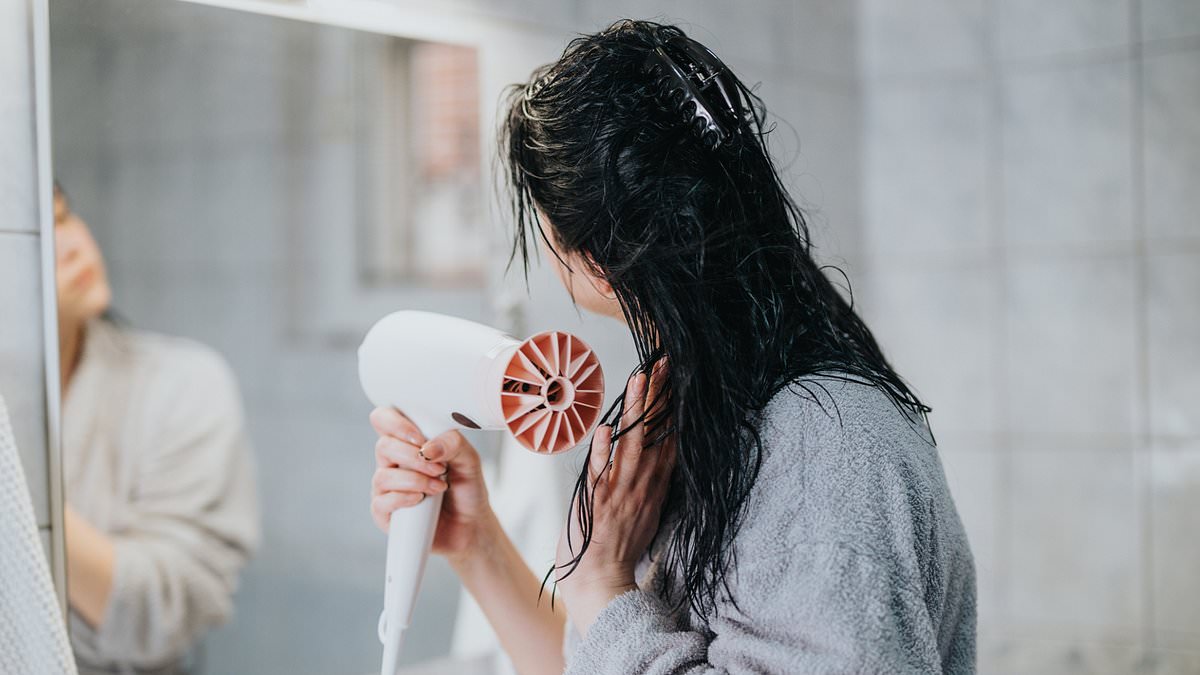
Frizz, knots, and split ends can ruin even the best hair day instantly. Yet there is a simple fix that flips the script on this common problem because most people blow-dry their locks in the wrong sequence entirely. The standard habit involves starting at the scalp and working downward, but Anabel Kingsley, brand president for Philip Kingsley, argues that beginning with the lengths and ends first makes far more sense.
"If you dry the top of your hair first, your lengths can be blown about in different directions," Kingsley told the Daily Mail regarding her findings. The ends are generally wispier as well as more damaged and porous, which leaves them prone to sticking together when damp. This practice does more than just make your tips look frazzled; it actively causes breakage over time.
Experts agree that blowing air from the bottom up prevents tangles and frizz from taking hold. Kingsley details this process in her new book, Haircare: The Ultimate Guide, noting that starting at the front allows chaos to form throughout the ends. A lot of this behavior comes down to hydrogen bonds inside the strand.
"Hydrogen bonds are your hair's weakest but most numerous bonds," Kingsley explained during an interview. "They break when you wet your hair and reset when your hair dries." These microscopic connections allow us to style our strands into various shapes, though humidity in the atmosphere affects them heavily. This is why carefully styled hair often loses its shape on a rainy day or when the air is moist.
Drying the top section first causes hydrogen bonds in the lengths to reset randomly, leaving the rest of the hair looking frizzy and dry. Consequently, many people reach for higher temperatures or more aggressive styling techniques in an attempt to smooth everything back down. But this could be doing more harm than good by stripping moisture away.
"Your ends, being older, are already more porous and weathered, so you really want to treat them gently," Kingsley said about the condition of the hair tips. Instead, she recommends drying the ends while they are still damp rather than soaking wet using low to medium heat settings. This approach makes it easier to shape the hair without relying on excessive heat or tension from a brush.
Meanwhile, the roots typically take much longer to dry because hair is denser at the scalp. By the time the ends have been styled, the roots should still be damp enough to manipulate into shape. If they are not sufficiently wet yet, Kingsley suggests lightly misting them with water instead of turning the heat setting up higher on the dryer.
"Of course, everyone's hair is different and some people may find they like the results of drying the top of their hair first – but I encourage you to give my method a go as it works very well for our clinic clients," she said regarding her advice. Haircare: The Ultimate Guide by Anabel Kingsley (Piatkus, £25) is available here for those who wish to try this technique themselves.
Photos