Steam Train Passenger Suffers Spinal Fracture After Falling From Cab

Trevor Allen Bentley, a 34-year-old resident of Kearney, Nebraska, suffered a severe spinal fracture after falling from the cab of Big Boy 4014, the world's largest operating steam locomotive. The incident occurred as the historic train prepared to depart for Grand Island during its celebratory cross-country journey marking America's bicentennial.
Bentley, described by Cowboy State Daily as a lifelong rail enthusiast, had secured permission from Union Pacific to ride in the engine's cab. His request was granted following an email inquiry about the 133-foot-long machine scheduled to travel through 14 states from California to Wyoming. However, his opportunity ended abruptly during boarding on a rain-soaked day.
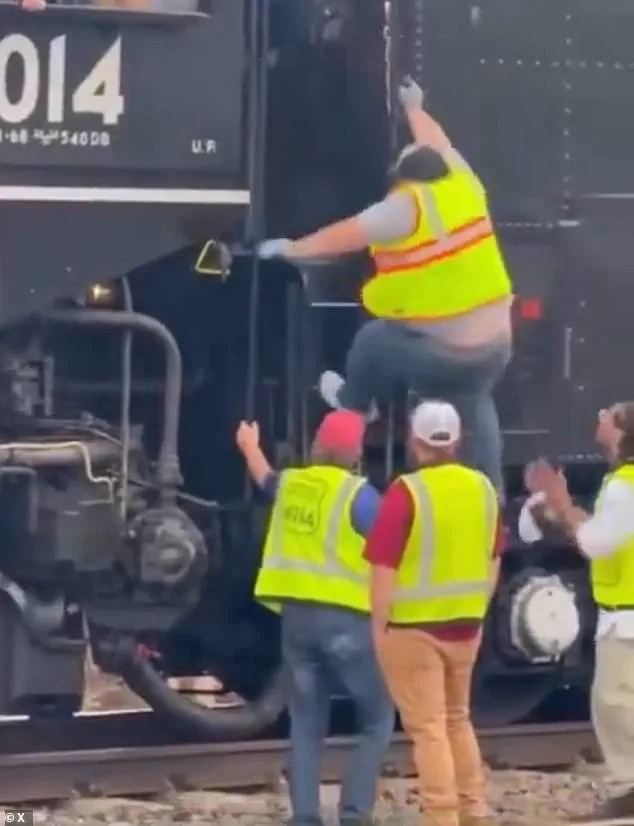
According to video evidence posted to social media, Bentley slipped while attempting to clear the final rung of the ladder leading into the cab. He fell eight feet onto the tracks, landing flat on his back. The impact not only resulted in a fractured spine but also delayed the train's departure by 30 minutes as emergency protocols were enacted.
"I felt fine," Bentley told Cowboy State Daily shortly after the accident, noting only soreness before he realized the severity of the injury. "Obviously, I was sore. But I just wanted to get up. 'I just couldn't get that last step in.'" Despite his initial assessment, medical attention confirmed the spinal fracture, preventing him from completing the ride on May 28.
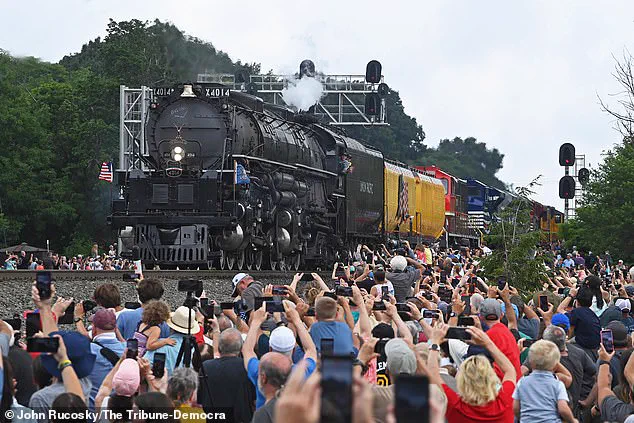
The Big Boy 4014 is a unique piece of engineering, standing 17 feet tall and weighing 1.2 million pounds—approximately half the size of a Boeing 747 aircraft. It remains the sole operational unit of its kind in the United States, with seven others preserved but not scrapped for metal. The locomotive's massive scale has drawn millions of visitors across the nation as it makes stops in major cities including Omaha, Chicago, Buffalo, and Philadelphia.
The train's route also brought significant attention to Fostoria, Ohio, a community known locally as "Train City USA" due to the convergence of three major rail lines at its station, an area referred to as the Iron Triangle. On Tuesday, more than 46,000 people crowded into the Norfolk Southern railyard outside the town's population of roughly 13,000. Locals and tourists alike began lining up around 4 a.m., anticipating the scheduled departure at 9 a.m., though public viewing commenced earlier that morning.
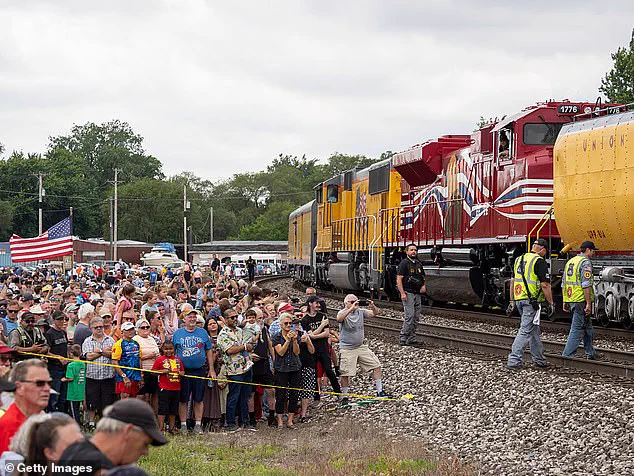
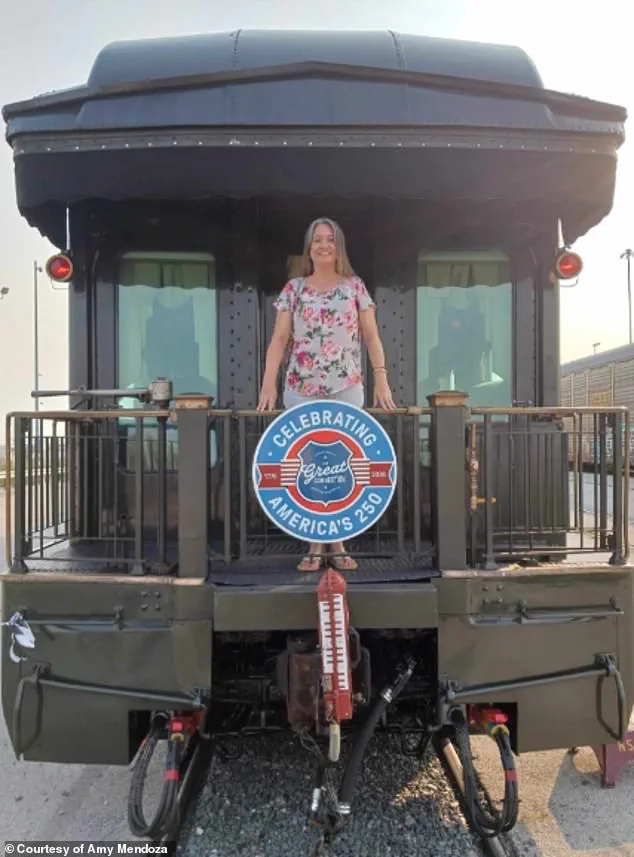
Visitors were permitted to tour select passenger cars and take photographs on the train before its eastbound journey commenced. Ward 1 City Councilwoman Amy Mendoza emphasized the communal significance of the event, stating, "A tremendous amount of time and effort went into making this event possible." She added that the occasion meant deeply to both her personally and to the entire community.
The incident underscores the inherent risks associated with accessing such privileged environments where limited information regarding safety conditions may not be fully conveyed to eager observers. While the celebration highlighted historical preservation and engineering marvels, the fall serves as a stark reminder of the physical dangers present when interacting with industrial-scale machinery. The journey continues westward toward Wyoming, yet for Bentley, the dream ended prematurely due to an accident that could have been avoided had boarding conditions been more secure or clearly communicated.
Fostoria, a compact and tightly woven community, recently faced an unprecedented surge in attention centered on its deep-rooted railroad heritage. Mayor Don Mennel noted with pride that while residents cherish their history as "Train City USA," the sheer volume of interest created significant logistical challenges. When thousands of vehicles queued to enter the town, many were inevitably turned away due to limited capacity. According to Mayor Mennel, who spoke to *The Daily Mail*, the event concluded at 3 p.m., yet organizers began denying entry around 2 p.m., suggesting a near-even split between those admitted and those excluded from viewing the spectacle.
The influx of visitors was not limited to local traffic; attendees traveled from Oregon, Washington, Tennessee, Florida, and Canada, as reported by *Destination Seneca County* and *The Review Times*. Jacob Edwards and his family, arriving early on Tuesday morning at 4 a.m., placed themselves fourth in line just to secure a spot. John Mayer, a conductor who drove fifty miles from Walbridge with his four-year-old son, emphasized that the event highlighted the positive contributions of railroads rather than the typical anxieties associated with delays. "It's just beautiful to see the good side of the railroad," Mayer remarked, echoing sentiments shared by City Councilwoman Amy Mendoza, who expressed deep personal significance in seeing the historic locomotive stop in their town.
The visit was orchestrated by Union Pacific to honor the nation and underscore the critical role railroads have played in building America's infrastructure and connecting communities. Robynn Tysver, a spokesperson for the railroad speaking from aboard the *Big Boy*, clarified that the tour aimed to celebrate how railways foster trade and link businesses across the country. The event revealed a stark reality: with a population of roughly 13,000, Fostoria hosted an estimated 100,000 individuals hoping to witness the massive steam engine, illustrating both the immense public fascination and the inherent limitations of small-town infrastructure when faced with such demand.
Historical context frames this modern-day gathering, as the *Big Boy* journey commenced on April 10 in Sacramento at historic milepost zero. This route commemorates the original transcontinental line construction authorized by President Abraham Lincoln's Pacific Railway Act the previous year, a pivotal moment during the Civil War that directed Union and Central Pacific railroads to build a public-private network spanning the continent. Beyond its historical weight, Fostoria was selected for its central location within Northwestern Ohio, ensuring accessibility for residents from major hubs like Cleveland, Columbus, and Toledo.
In a unique display of civic unity on Tuesday, 630 residents formed the largest human image of a train to mark one of the *Big Boy*'s longest stops. This collective effort underscored the town's commitment to preserving its identity while navigating modern tourism pressures. The event serves as a reminder that railroads currently facilitate approximately 11 percent of national freight volume, maintaining their status as a vital artery for supply chains. While the celebration highlighted the beauty and historical importance of the industry, it also exposed the strain on local resources when access to information regarding schedules is limited or restricted to specific groups, leaving many eager visitors unable to participate in this momentous occasion.
Central Railroad constructed the western segment while Union Pacific began work in Omaha to build the eastern portion. Millions of citizens have gathered for events across the country, with crowds filling Fostoria, Philadelphia, and other locations. Robynn Tysver noted that one man essentially created the Union Pacific Railroad during its early expansion years.
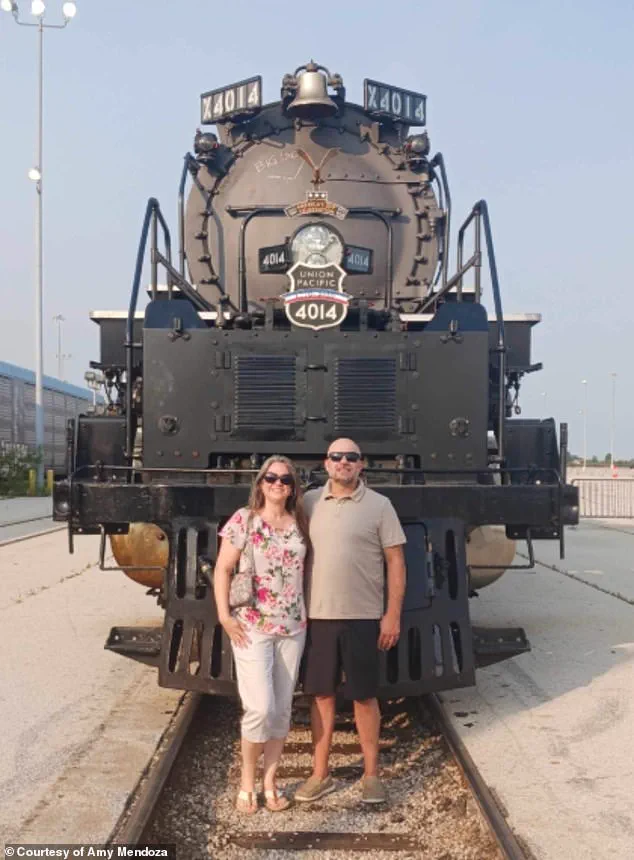
The historic train paused in Philadelphia on the Fourth of July for a two-day public display. Officials selected this Pennsylvania town as the halfway point because it represents the birthplace of America. Tysver described the location as very special for celebrating Big Boy and honoring the nation's history together.
Big Boy 4014 stands as the sole operational unit within a fleet of twenty-five locomotives built between 1941 and 1944. These massive engines were manufactured in Schenectady, New York, near Albany during World War II construction efforts. Each train weighs one point two million pounds, making it three times larger than modern diesel locomotives.
Standing seventeen feet tall and measuring one hundred thirty-three feet long, the engines are slightly over half the size of a Boeing 747 aircraft. Union Pacific commissioned these giants in 1941 specifically to generate power needed for crossing Utah's Wasatch Mountain Range. Crew members referred to them as the Giants on the Rail due to their immense stature and strength.
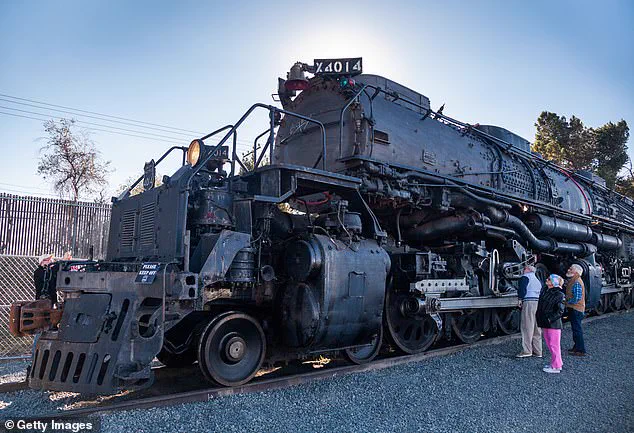
The steam locomotives operated for twenty years, primarily traveling routes between Wyoming and Utah before facing replacement. Diesel trains slowly took over during the 1950s and 1960s because steam engines required significantly more maintenance than newer models. After decommissioning, most units were scrapped for metal while only eight survived into modern times.
In 2014, Union Pacific acquired one of these surviving giants after deciding to commemorate their history for the railroad's anniversary. The restoration project took two and a half years and became the largest locomotive restoration effort in recent history. Since the 150th anniversary of Union Pacific, the train has annually journeyed across the company's extensive rail network.
Ahead of America's semiquincentennial, the railroad contacted partners like CSX and Norfolk Southern to use their lines for a cross-country trip. This marked the first time since the 1940s that the engine traveled through Indiana, Ohio, Pennsylvania, and New York states. Millions of Americans have now witnessed Big Boy, an experience Tysver describes as thrilling for everyone involved.
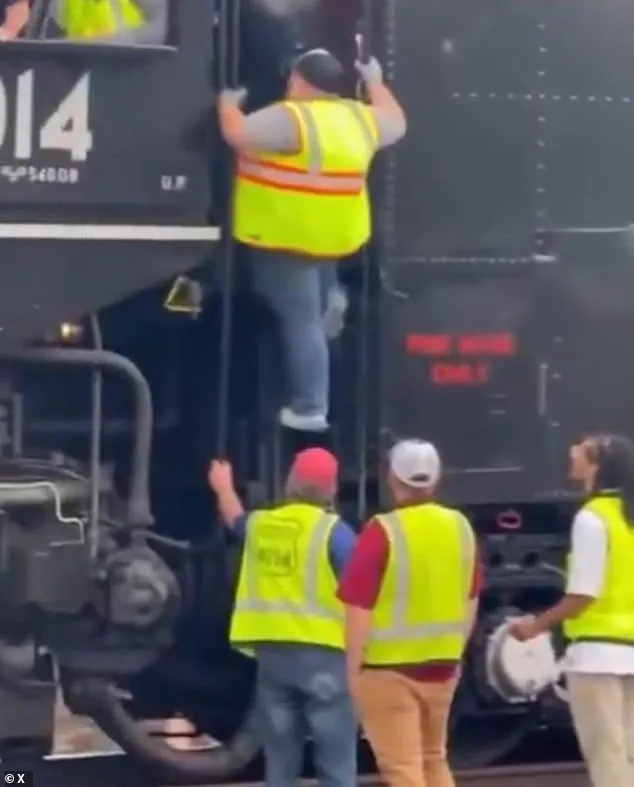
Approximately thirty to forty people ride aboard during each journey while twelve crew members operate the complex steam engine mechanisms. Tysver admitted she did not know what a Big Boy was until recently when joining the railroad five years ago. She has since joined every tour and marvels at how much the public loves this historic machine.
Unlike many antiques displayed in museums, Big Boy remains an operating piece of history that people can hear and feel. Passengers can smell the coal smoke and hear the lonesome whistle ringing from miles away along the tracks. Tysver believes nostalgia is the primary force driving such deep public affection for this unique engineering marvel.
The journey will conclude in Cheyenne, Wyoming on July 29 before returning to Union Pacific shops for maintenance work. The Daily Mail has reached out to Bentley for additional comments regarding this significant historical transportation event.
Photos