Starter Home Prices Surge 30%, Creating Massive Shortfall

Affordable entry-level houses remain a tangible option for buyers even as major US cities struggle with rising costs. National data from Realtor.com reveals that starter home prices jumped 30.8% since the onset of the pandemic. This surge pushed average values from roughly $260,000 to about $340,000 between August 2019 and August 2026. Condos now represent a growing slice of this entry-level market, shifting away from single-family structures that dominated pre-pandemic times.
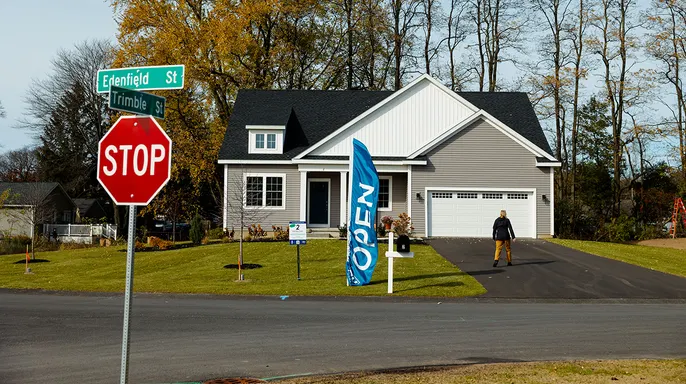
The national proportion of starter homes dropped from 38.1% of active inventory in late 2019 to 36.2% by August 2026. Hannah Jones, senior economist at Realtor.com, highlighted a stark reality behind those numbers. If the 2019 share had remained steady through today, there would be a shortfall of more than 21,000 homes available for first-time buyers. The report defines starter homes as properties priced near 80% of a metro area's median list price. These units are typically smaller and designed for less affluent households or those purchasing their first residence.

Condos have filled the void left by shrinking single-family stock. In August 2019, these multi-unit dwellings made up just 18% of starter-price listings nationwide. That figure climbed to 20% by 2022 and reached 27.1% in 2026. The shift is visible across the top 100 metro areas, though local trends vary wildly from one region to another.
Some markets show promise while others face steep losses. Boise, Idaho recorded the biggest gain in starter home share among major metros, rising 4.7% over the seven-year span. Portland and Vancouver followed with a 4% increase. Des Moines, Iowa added 3.7%, San Jose, California gained 2.9%, and Denver, Colorado saw a 2.5% rise. Yet these gains do not erase the broader national trend of scarcity.

The Sun Belt region tells a different story. Columbia, South Carolina suffered the largest percentage decline in the country, with its starter home share falling 8.3% from 2019 to 2026. Winston-Salem, North Carolina lost 7.5%, while Cape Coral and Fort Myers in Florida dropped 6.9%. Augusta and Richmond County in Georgia and South Carolina each fell 6.5%. Fresno, California stands as the only non-South metro among the top five largest declines, matching a 6% drop seen in Greensboro and High Point, North Carolina.
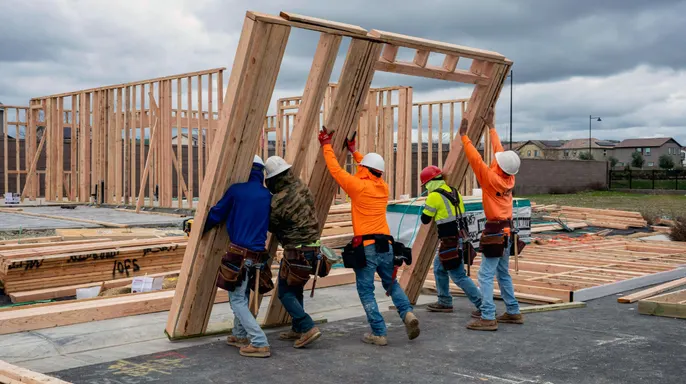
Buyers face a tough reality where new construction is often cheaper than existing homes in many places, yet inventory remains tight. Mortgage rates climbing further complicates the picture for those trying to enter the market. Access to affordable housing has become a privileged opportunity rather than a guaranteed right. The gap between what buyers need and what sellers offer continues to widen despite occasional pockets of relief in specific cities.
Photos