Starbucks Overhauls Tipping System, Adds Bonuses for Employees

Starbucks is overhauling its tipping system in a sweeping move aimed at reshaping how customers and employees interact. The Seattle-based giant announced Thursday that baristas will soon receive tips on more credit and debit card transactions, expanding access to in-app and in-store tipping options. This change targets scenarios where customers use the app to pay in-store, a shift that could significantly alter the dynamics of service and compensation.
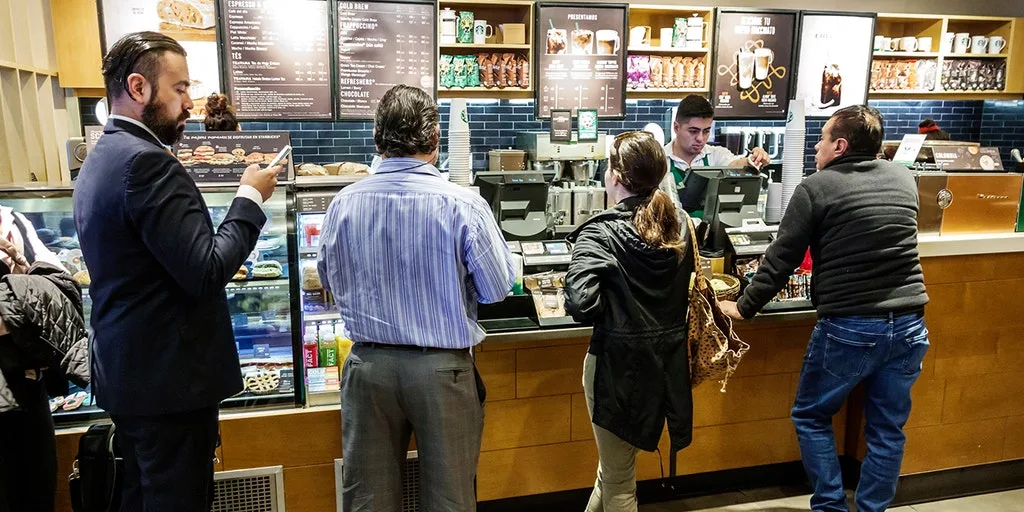
The company is also introducing a new bonus structure for baristas and shift supervisors, offering up to $1,200 annually based on customer service metrics and sales performance. Set to launch in July, this initiative aims to reward employees who meet specific targets, potentially boosting morale and service quality. Meanwhile, starting August, Starbucks will transition to weekly paychecks—a direct response to feedback from baristas, according to the company.
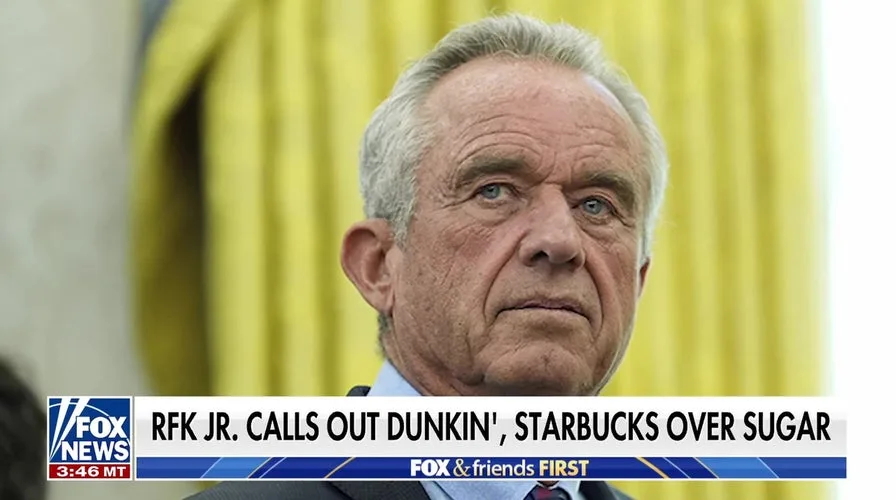
Workers United, the union representing some Starbucks employees, called the changes a "clear reaction" to their organizing efforts. The union criticized the bonus system, arguing it leaves baristas with little control over their earnings. "Tips and bonuses are largely out of our hands," said a union representative, highlighting the tension between corporate policies and employee autonomy.
Starbucks maintains that baristas earn an average of $30 an hour when pay and benefits are combined. However, critics argue that the new system could pressure customers to tip more frequently. Amore Philip, a public relations strategist, noted the rise of "tip creep," where tipping extends into spaces like coffee shops that traditionally didn't require it. "Customers may feel confused or pressured to tip for convenience rather than service," she said.

For Starbucks, the move is strategic. Higher tips and bonuses could improve employee satisfaction, which in turn might enhance customer experiences. Philip suggested that if service speeds up or interactions improve, customers might be more willing to participate. However, Ted Jenkin, a financial advisor, warned that the changes avoid direct price increases. "Who wants to tip before even getting their latte?" he asked, questioning the logic of prompting tips before a transaction is complete.
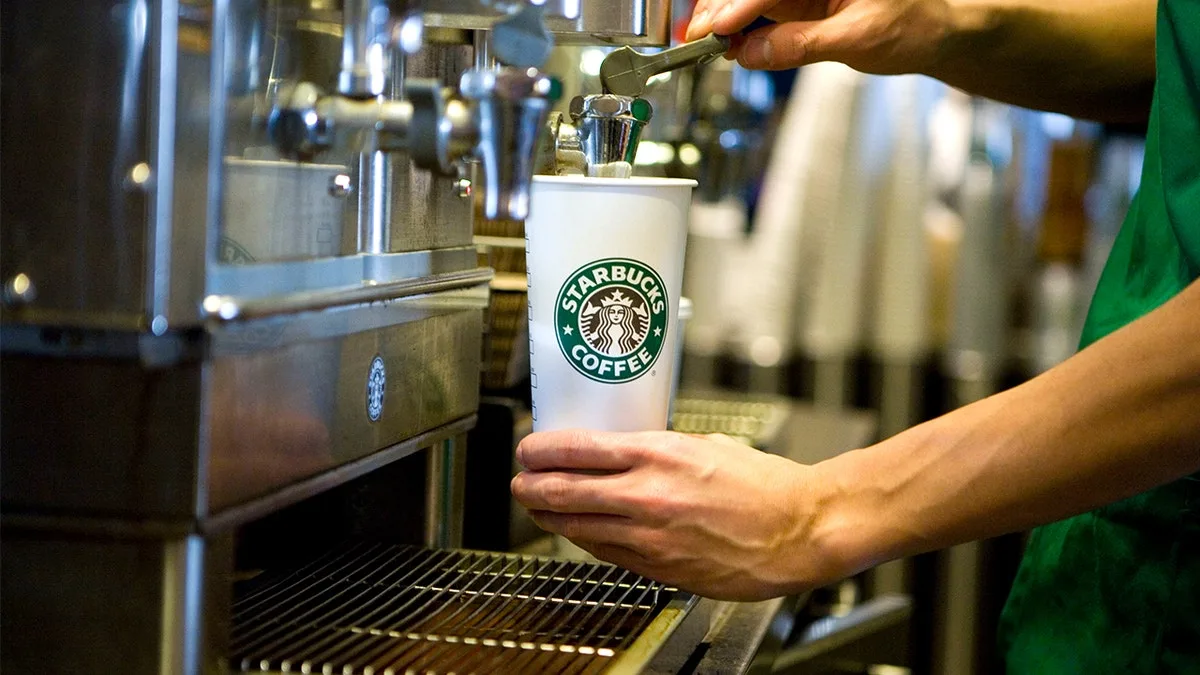
The company has not yet commented on these critiques, but the shift reflects broader industry trends. As corporations balance employee needs with customer expectations, Starbucks' new tipping model could set a precedent for other service industries. For now, baristas and customers alike are left navigating a system that's both evolving and increasingly complex.
Photos