St. Louis Sparks Controversy by Removing Safety Measures, Prioritizing Speed Over Pedestrian Safety

St. Louis has sparked a firestorm of controversy after removing concrete bumpouts at three key downtown intersections. These structures, designed to narrow roads and slow traffic, were quietly dismantled by city crews last month. The move has left pedestrian advocates seething, with critics accusing officials of trading safety for speed. Was this a temporary fix or a permanent shift in priorities?
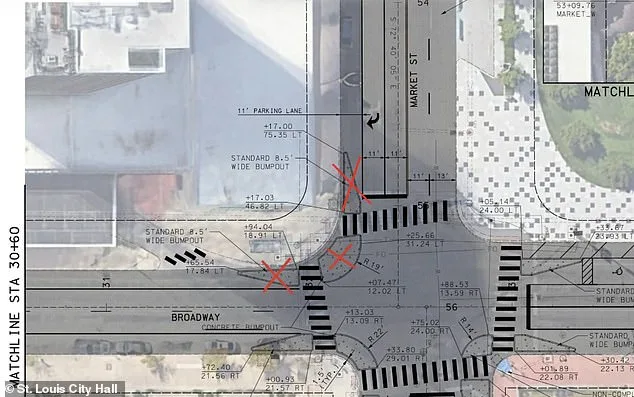
The bumpouts—located at the southwest corner of Broadway and Market, near the Ballpark Hilton Hotel's valet circle, and across the street—had been installed during the pandemic after a sharp rise in traffic fatalities. They forced drivers to slow down, creating safer conditions for pedestrians. But after a chaotic concert at the Dome at America's Center last month caused hourslong traffic backups, city officials decided to remove them. Bob O'Loughlin, owner of the Ballpark Hilton, claimed the bumpouts worsened congestion even on regular days. "It wasn't a safety failure," he said. "It was a mess."
The decision came after Mayor Cara Spencer met with downtown stakeholders, including business leaders and hotel operators. St. Louis Urbanists, a group pushing for walkable neighborhoods, condemned the move. "This is a masterclass in how our City government officially prioritizes driver convenience over your lives," they wrote on social media. The group released photos of construction crews tearing out the bumpouts, calling the action a betrayal of pedestrian safety.

Alderwoman Jami Cox Antwi, who represents the area, said she was not informed of the removal. "This is deeply frustrating and makes our Downtown a more dangerous place to live, work and visit," she said in a statement. The bumpouts had been part of a broader effort to reduce traffic deaths, which spiked during the pandemic. Critics argue their removal undermines that progress.

O'Loughlin, whose company owns the Ballpark Hilton, insisted the city should remove more bumpouts to widen Broadway, which serves as the main artery for downtown events. "If it takes people three hours to get in and out," he said, "people will stop coming." He denied pressuring the mayor's office, though opponents have linked the decision to political donations. O'Loughlin's firm contributed to Spencer's campaign, raising questions about whether the mayor's office was swayed by private interests.
Spencer denied any undue influence. "It was a mess," she said, defending the removal as a response to the concert traffic jam. But data paints a different picture. St. Louis had 23 pedestrian deaths in 2024—far higher than New York City's 122, though adjusted for population, St. Louis' rate is nearly six times worse. The city recently launched a special downtown district to hire off-duty police officers to combat drag racing, a problem that has plagued the area.
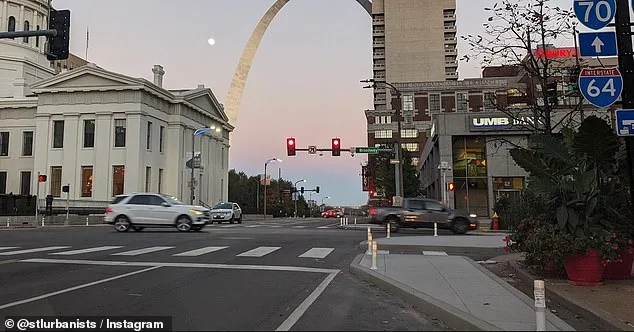
The debate over safety versus convenience shows no signs of abating. With drivers now able to speed through once-calm intersections, residents and activists are left wondering: Will this decision lead to more lives lost, or is it a necessary step to keep traffic flowing? The answer may come in the form of statistics—or in the next accident.
Photos