Spain Faces Second Major Rail Disaster in Under a Year
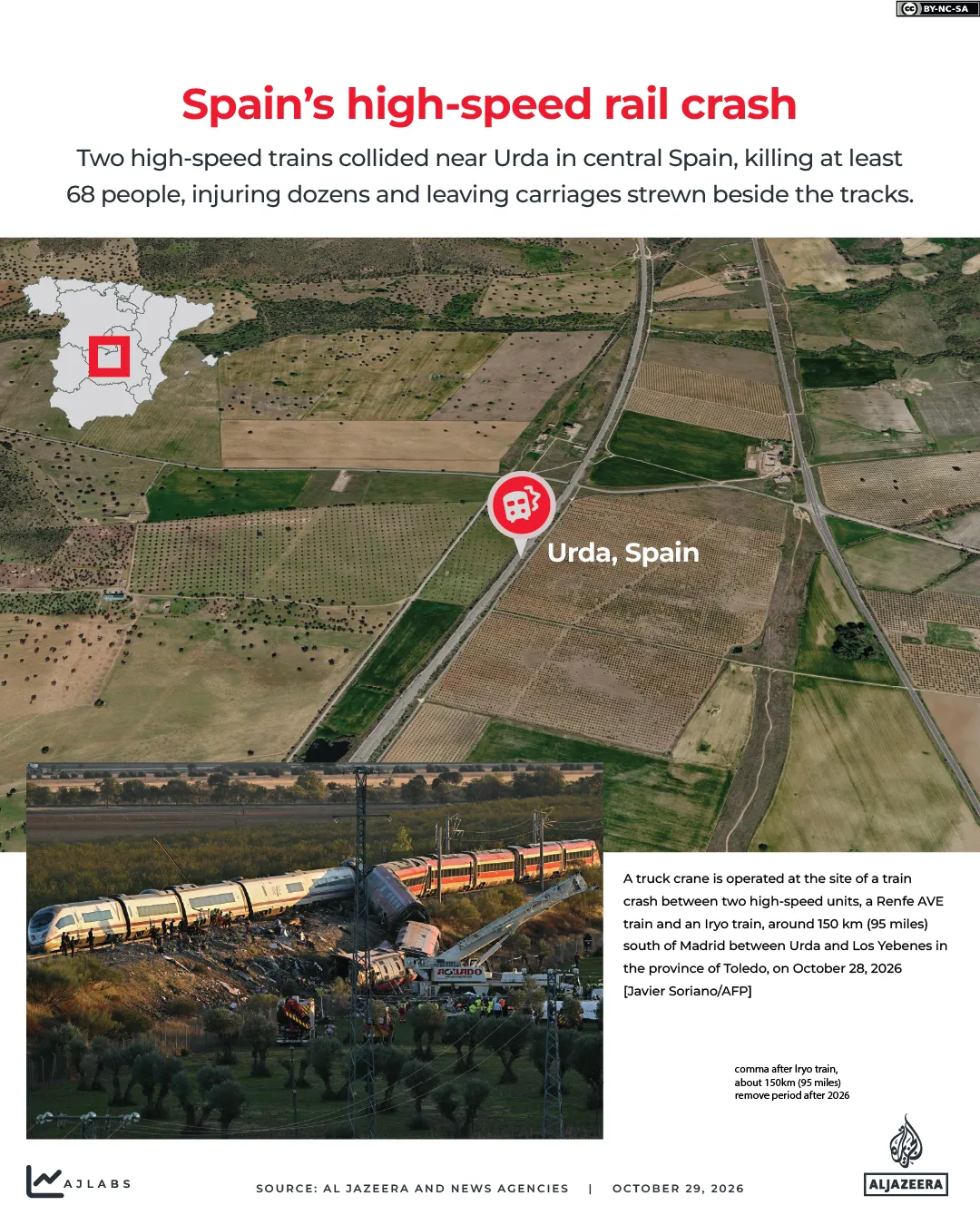
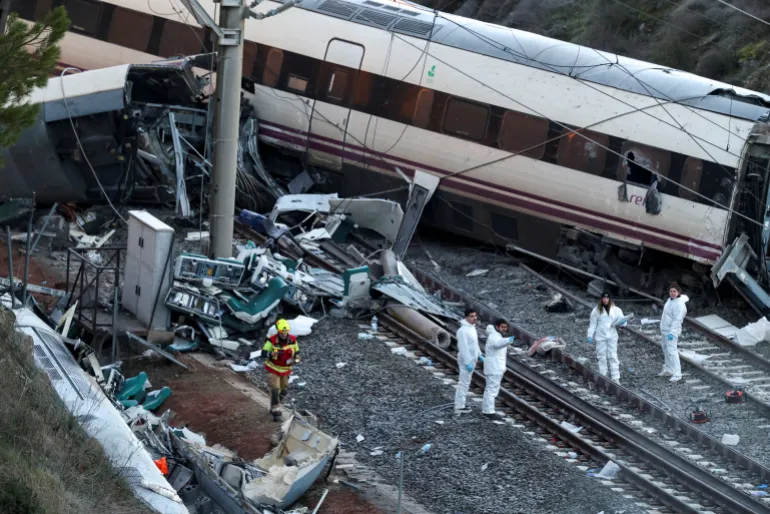
Spain is reeling from its second high-speed rail catastrophe in under a year. At least 68 people are dead. Another 80 suffered injuries. The wreckage lies scattered near Urda, south of Madrid, where a moving Renfe train slammed into the rear of a stationary Iryo service just before 9am local time Wednesday.
The timing is brutal. National elections loom weeks away. The toll is the highest in Europe since the 2013 Santiago de Compostela disaster that killed 80 people. Officials point to a specific, damning error. A rail control centre issued an "inexplicable" order. They told one train to resume normal speed right after a critical signalling failure.
Here is the breakdown.
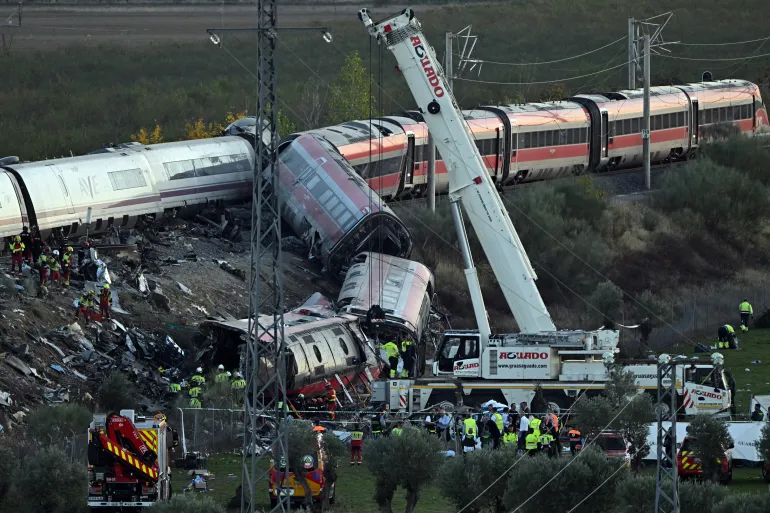
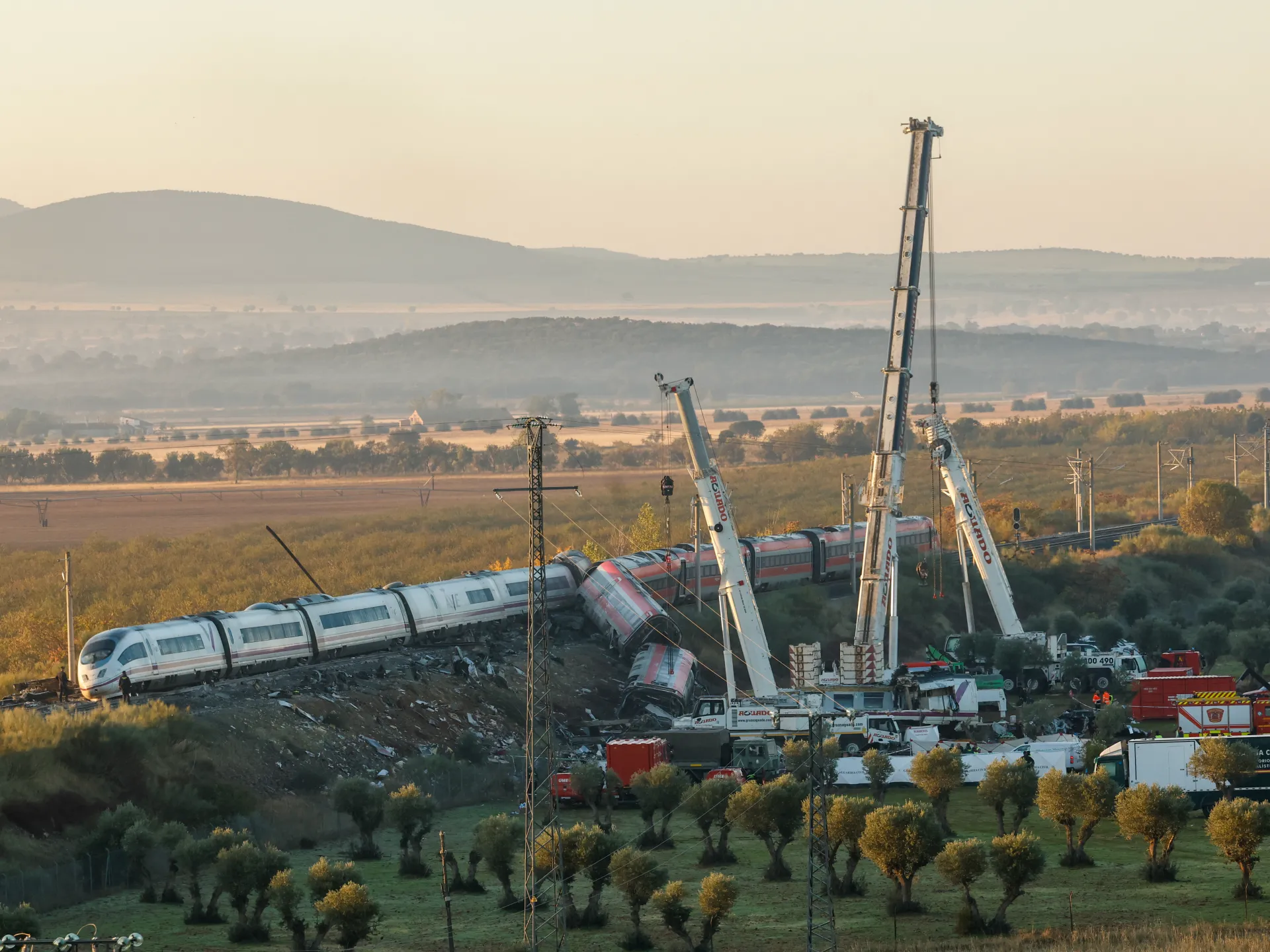
The Renfe train, carrying 397 passengers, hit the back of the Iryo train, which held 147 people. Both were bound for Seville from Madrid. The Iryo service is newer, having entered the market in 2022. The collision happened on a raised track segment between Urda and Los Yebenes, close to Toledo. Two Iryo carriages derailed. They plummeted down the embankment.
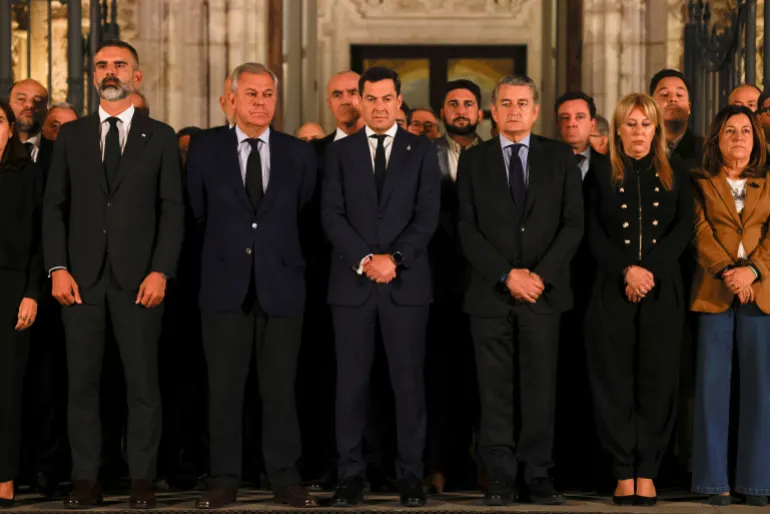
Emergency sources cited by El Pais confirmed the chaos. Prime Minister Pedro Sanchez arrived at the scene Wednesday. He declared three days of national mourning starting Thursday. Sanchez vowed to expose any negligence. System failures, he promised, would face a strong response.
The human cost is staggering. Emiliano Garcia-Page, president of the Castilla-La Mancha regional government, provided the grim numbers. Fifty of the injured are in serious condition. Fifteen are critical. Hospitals in the region and Madrid absorbed the worst cases. A nearby sports hall became a makeshift triage center.
Survivors emerged dazed. Bloodied clothing. Facial swelling. Head wounds. Juan Quesada, 55, was traveling to Seville for work when the impact struck. "A tremendous impact and so much noise, and everyone was coming at you," he told El Pais. A local volunteer helping supply the medical center described the scene as "like a horror movie."
Fifty-two bodies have been recovered so far. Civil Guard disaster investigators are now on site. They are collecting evidence and clearing rubble. Search teams continue looking for victims trapped beneath the debris.
The root cause appears technical, then human. At about 8:30am, Transport Minister Oscar Puente said a computer failure knocked out LZB. This is the main signalling system that automatically keeps trains at safe distances. The glitch forced six trains on a 63km stretch to stop automatically. The Renfe and Iryo services were among them. Then came the fatal order from the control centre.
The Renfe train was trailing the Iryo service by roughly 25km (15.5 miles) on the same track. Control of both services had shifted to a center in Madrid operated by Adif, the state entity managing Spain’s rail infrastructure. The controllers there faced a split-second decision: when and how fast to release each train.
According to a preliminary investigation by *El Pais*, which cites internal train data and recorded controller calls, the Renfe service was cleared at 8:36am to resume normal speed. Five minutes later, at 8:41am, the Iryo train received the same green light. It did not move. By 8:48am, the Iryo driver reported to control that the train remained stalled.
Tragedy was already accelerating. The Renfe train had picked up speed, crossing the 200km/h (124mph) mark. At 8:53am, it slammed into the stationary Iryo train.
Was this human error? Or a breakdown in the signalling system?
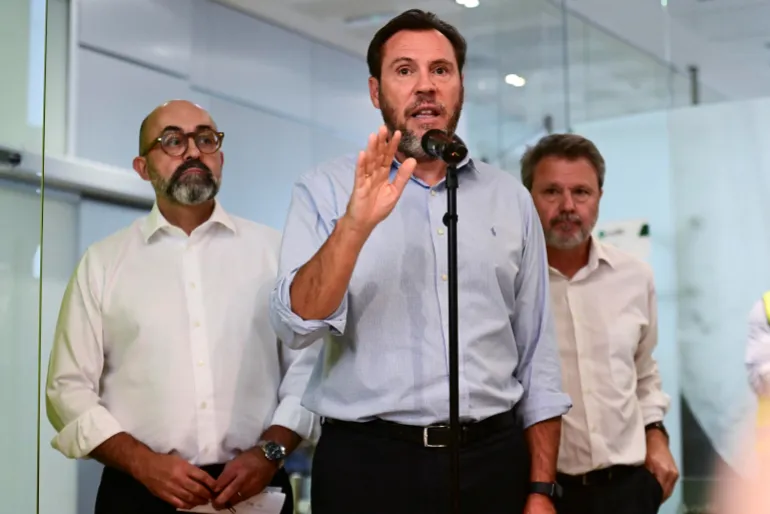
Puente, speaking on the record, dismissed blame on the drivers and engineers. He pointed instead to an "inexplicable" order issued from the control center after the primary safety system failed. In his view, the Renfe train should have been forbidden from moving while a stop signal was active, or at minimum, ordered to creep forward.
That is standard procedure in Spain. When the automatic LZB safety system goes down, regulations usually cap speed at 40km/h (25mph). That crawl allows a driver enough time to spot an obstacle and brake in time. A backup system does take over, but it is clunky. It checks train positions only at fixed points along the track rather than monitoring the line continuously.
Rail engineer Jose Luis Gonzalez Vallve told the EFE news agency that the main system, capable of detecting a stopped train ahead and applying brakes automatically, would have prevented this crash if it had been online. *El Pais* reports there was no physical signal between the two trains to halt the Renfe service. The controllers’ voice instructions were the only line of defense.
The companies have offered their own narratives. Renfe maintains its train moved exactly as instructed. Sources close to Iryo told EFE their train stopped at a signal and contacted control, following all rules. Adif has yet to pinpoint the specific failure at its Madrid control center, according to company sources speaking to EFE.
The ripple effects are immediate. Adif suspended high-speed services between Madrid and Andalusia. Trains still run between Madrid and Toledo, and between Malaga and Seville. Renfe halted ticket sales on the Madrid-Andalusia high-speed corridor until December 13, pushing passengers toward an alternative service launching Friday.
It is hard to ignore the pattern. Two deadly high-speed crashes in one year. On January 18, a train derailed near Adamuz in Cordoba province, striking an oncoming service and killing 46 people. That collision also involved Renfe and Iryo on this same line.
Sanchez, leader of the Spanish Socialist Workers’ Party (PSOE), noted that while the causes of the two crashes appear unrelated, two high-speed rail accidents in a single year are "unacceptable for a country like Spain."
The Madrid-Seville line remains the only high-speed route in Spain still relying on LZB, technology dating back to the line’s opening in 1992. The government is looking to modernize. Adif was awarded a 52-month contract in 2021 to replace it with the European Union’s standard signalling system, but the work is still grinding along. Spain has also suffered two lower-speed train crashes this year, each claiming one life and injuring many others.
The political heat is rising. With elections looming, this disaster has become a partisan flashpoint. On Wednesday evening, 1,500 people gathered in front of the Ministry of Transport. The protest was organized by right-wing youth groups. The stakes are high. The timeline is tight. And the questions remain unanswered.
Anger boiled over. Protesters demanded Puente’s resignation, colliding directly with police lines. The tension was palpable, raw, and immediate.
Reaction from the political elite has been swift, though fractured. Sanchez scrapped her upcoming campaign rallies to tackle the crisis head-on. Alberto Nunez Feijoo, leader of the main opposition People’s Party (PP), followed suit. He halted campaign events during the mourning period, demanding a full investigation into the incident.
“This is the moment to respect the dead, the injured and their families,” Feijoo stated. The PP currently holds a slight lead over the ruling PSOE in polling data.
Vox tells a different story. Santiago Abascal, the far-right party’s chief, refused to suspend his activities. He doubled down on fiery rhetoric instead. Abascal labelled the government “a criminal organisation,” vowing to take them to court. The contrast is stark. One side mourns; the other attacks. The stakes could not be higher.
Photos