SpaceX Secures $40 Billion Debt Financing for AI GPUs
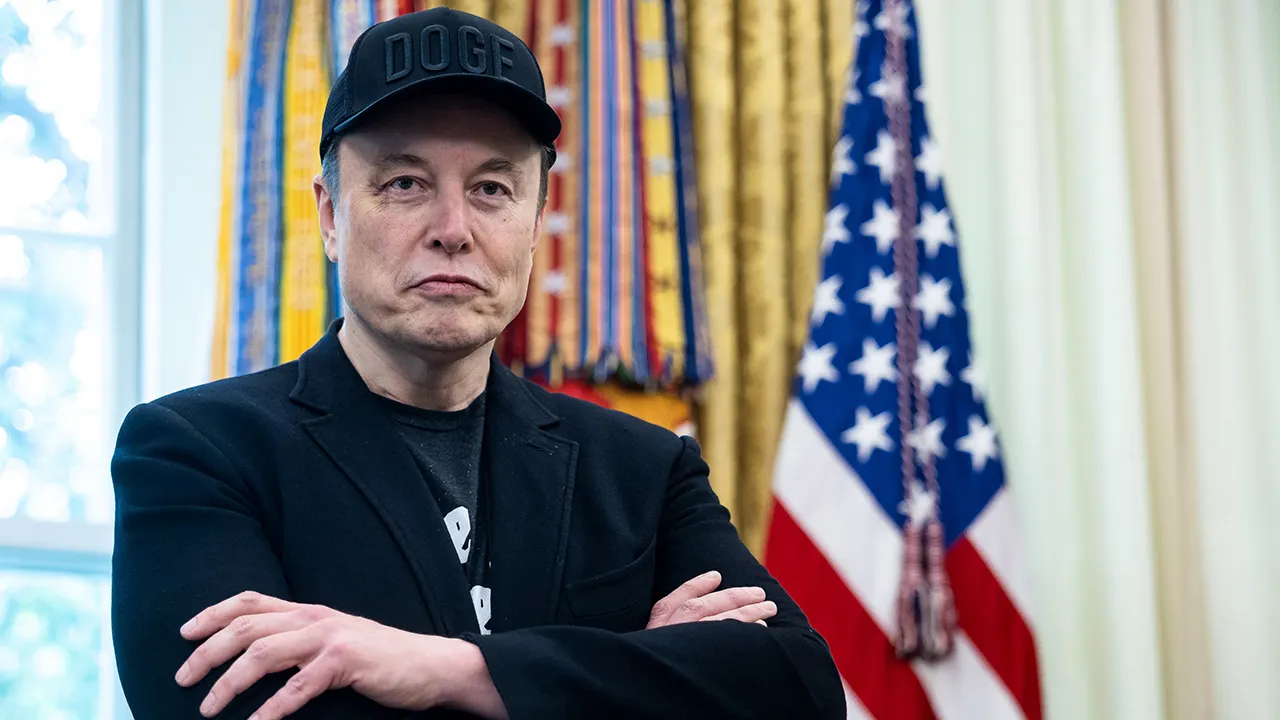
Elon Musk has revealed that SpaceX successfully locked in $40 billion in debt financing specifically to buy graphics processing units for its artificial intelligence divisions. This massive sum highlights just how expensive the rush to build computing power really is right now. The announcement came on Sunday, with Musk noting that their ability to get this money comes from two places: their investment-grade credit rating and steady revenue streams from Starlink satellite internet and rocket launches.
These graphics processing units, or GPUs, are the advanced chips required to train and run complex AI systems. Reuters had previously reported that SpaceX was indeed in talks with various banks and asset managers to raise exactly this amount for Nvidia AI chips. Musk added details later on X, explaining that the funding is primarily callable debt intended for GPU purchases scheduled to arrive during the first and second quarters of 2027. He noted that this delivery schedule will not be a major factor for their current quarter's operations.
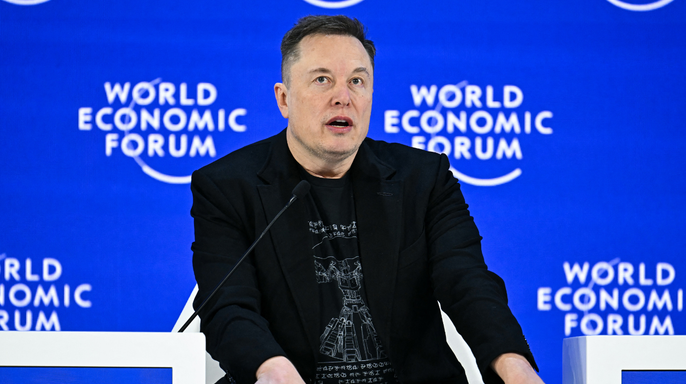
While it remains unclear if investors agreed to specific pricing terms yet, the situation shows how much companies are spending on advanced chips and other infrastructure. SpaceX Chief Financial Officer Bret Johnsen told Reuters that the company expects to spend between $35 billion and $40 billion just on capital expenditures during the fourth quarter alone. The sheer scale of these numbers is staggering for any industry observer.
Musk warned that borrowing conditions have gotten significantly worse for firms relying heavily on AI infrastructure without other income sources. He stated plainly that debt markets have almost entirely shut off access to money for any company that does not have substantial revenue independent of AI data centers. This reality could be disastrous for many players in the sector who cannot diversify their earnings quickly enough.
"That means the 200+ neoclouds are going to see guppy-level death and consolidation," Musk said regarding companies that rent out computing power built primarily for AI customers. He predicted that while some will survive, not many of them will make it through the coming storm unscathed. The risk is clear for communities dependent on these tech giants staying solvent and operational during such a volatile shift in funding availability.

SpaceX stands apart because its established businesses provide necessary safety nets outside its AI operations. Third-quarter revenue climbed 161% from a year earlier to reach $14.58 billion, according to Reuters reports. This financial strength allowed them to proceed when others might have been cut off completely. Musk even suggested last week that merging Tesla and SpaceX could be a good idea to further secure their position. He noted that both companies have formed special committees of independent directors to explore a potential deal, though he stressed the merger is not certain at this time.
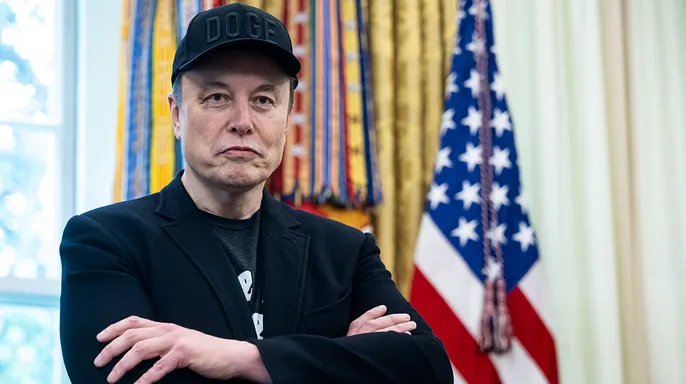
The message from Elon Musk is urgent as the AI race intensifies. Companies without diversified revenue streams face an almost impossible barrier to entry in current debt markets. The window for action is narrowing fast while capital becomes increasingly scarce for those who cannot prove they are profitable beyond their data center models.
Photos