South Korean Study Finds Paper Straws Pose Six Times Higher Cancer Risk

Six times the cancer risk. That is the headline number from a fresh South Korean study that upends the narrative around paper straws. For years, these flimsy tubes were sold as the eco-friendly savior for oceans and ecosystems. Now, data suggests they might be doing more harm than good.
The research was commissioned by South Korea’s Ministry of Climate, Energy and Environment. It pitted four straw types against each other: traditional plastic, paper, biodegradable plastic, and sugarcane-based options. The team tracked 16 distinct ways these items could damage the planet or human health. They looked at climate change, air pollution, and the release of toxic chemicals.
The verdict stung. Paper straws carried a carcinogenic impact 6.33 times higher than their rivals. They also drove environmental acidity to 2.04 times the level of other materials. That acidity can sour soil and water, choking plants and animals in the process.

Lawmaker Kim Wi-sang reacted with fury. "The government must acknowledge the failure of its greenwashing policy, which fixated on ineffective substitute materials, and avoid repeating it," he said. The study dropped last Wednesday, sending shockwaves through Korean politics.
This is not just a Korean problem. The findings cast a long shadow over regulations in the United States. States like California, New York, and New Jersey have already forced many businesses to hand out plastic straws only on request. New York City went further, banning the automatic distribution of plastic straws in restaurants.
Paper straws are not new. They debuted in 1888. But they faded in the mid-20th century when cheaper, sturdier plastic took over. Then came 2018. Viral campaigns against ocean plastic and city bans brought paper back into style. A decade later, that comeback looks shaky.
The Korean researchers analyzed the full lifespan of each straw. From raw material extraction to manufacturing, then disposal. They assumed a grim fate for most of them. About 74 percent of discarded straws would be incinerated. The remaining 26 percent would rot in landfills.
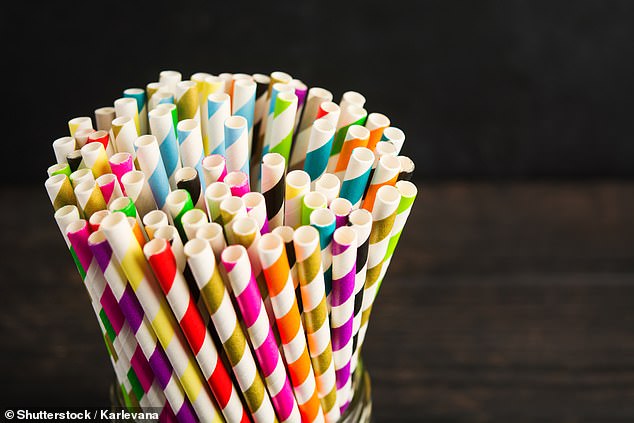
Traditional plastic straws actually fared best. They showed the lowest environmental impact in 10 of the 16 categories tested. That includes climate change, air pollution, and human toxicity. Paper straws, meanwhile, topped the charts for the worst impact in three specific areas.
Then there are plant-based plastics, known as bio-PE. These performed poorly in 10 categories. They contributed to ozone layer damage, increased acidity in soil and water, and smog pollution. It is a messy picture.
Recycling paper straws is a myth, the study found. Their tiny size makes them nearly impossible for sorting facilities to separate. Coatings and adhesives used to waterproof them create even more headaches for processors.
Washington has weighed in, too. In March 2025, the Trump administration released a White House report warning against paper straws. The document, titled National Strategy to End the Use of Paper Straws, argued they are expensive, ineffective, and potentially harmful.
President Donald Trump called them a "pulpy, soggy mess." He claimed they contain dangerous "forever chemicals." These PFAS compounds have been linked to cancer and other health issues. The White House cited research detecting these chemicals in paper straws. They also pointed to studies showing the straws can lose up to 90 percent of their strength after less than 30 minutes in liquid.
This report followed an executive order from February 2025. It directed federal agencies to stop buying paper straws. It also ordered a reversal of policies that favored them over plastic. The tide is turning, and the data is driving it.
Photos