Social Security gets biggest raise in years despite looming 2032 crisis
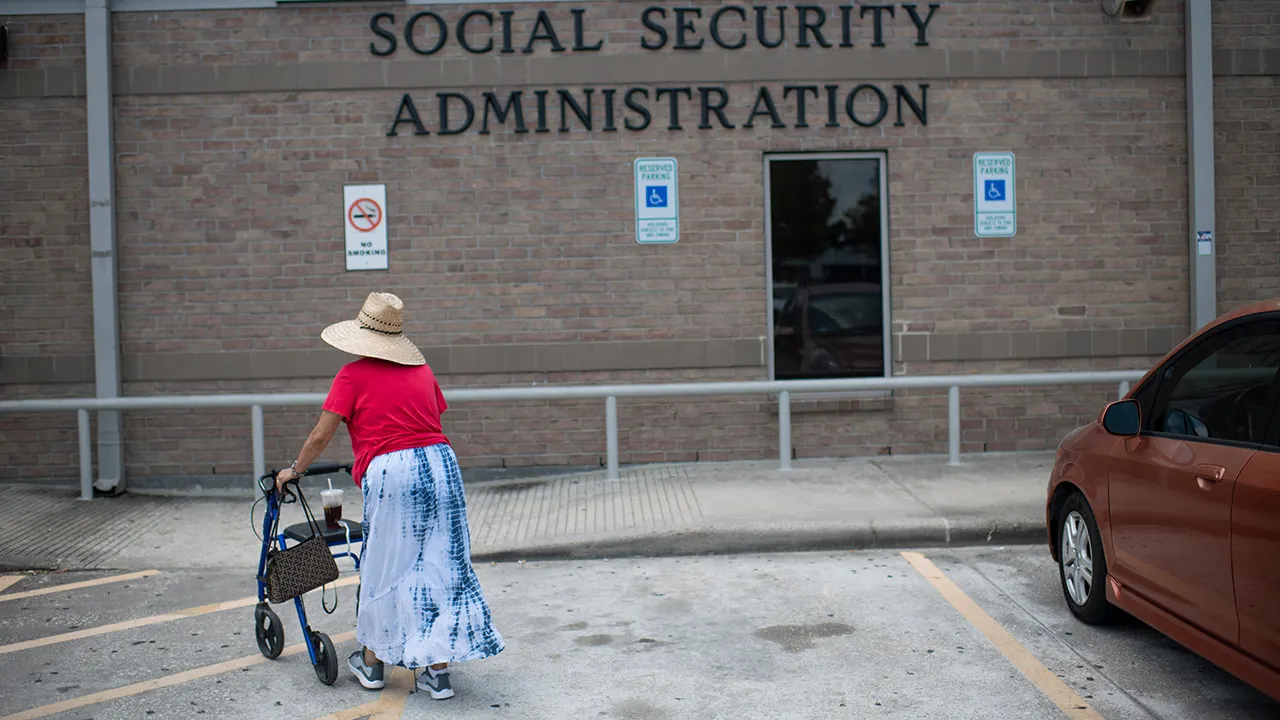
Social Security recipients are set for bigger monthly checks in 2027, but a looming funding crisis is reigniting a fierce debate about the program's survival. Without action from Congress, beneficiaries could face a staggering 22% across-the-board benefit cut by 2032. That prediction comes from the Committee for a Responsible Federal Budget, which warns that the retirement trust fund is marching toward a depletion date in 2032. The clock is ticking on lawmakers to fix the long-term money hole before it gets too big to plug.
Right now, the relief looks promising. AARP cites new estimates showing the average retired worker will see their monthly benefit jump from $2,095 to $2,170 next year. That is an increase of roughly $75 per month or a 3.6% cost-of-living adjustment. The Social Security Administration announced this Wednesday, and the money starts flowing in January with December checks. It marks the highest COLA in four years, edging out the 2.8% hike seen this year. These numbers track inflation readings from the third quarter, specifically a 3.9% year-over-year rise in September for urban wage earners and clerical workers.
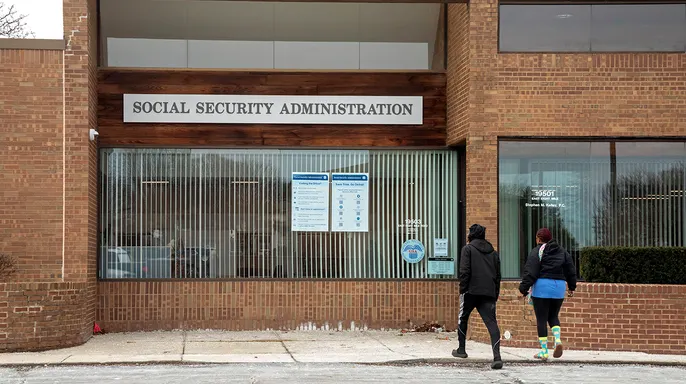
But higher grocery bills, soaring utility costs, pricier insurance, and steep healthcare fees mean older Americans are still struggling. Even as they get slightly more, their standard Medicare Part B premium is projected to climb $6.60 a month in 2027, landing at $209.50 according to AARP data. The 3.6% adjustment adds about $900 annually to the average retiree's benefits, yet it does not fix the underlying financial rot.
The math gets wild when you look at who gets what. The dollar increases are not distributed equally. While the average person gets around $900 extra a year, top-tier recipients could see boosts exceeding $2,200. High-earning couples retiring this year at normal age might rack up a combined increase of $3,600, pushing their annual benefits well past $100,000. That creates a sharp generational divide. A Federal Reserve report from May showed that just 63% of adults between 18 and 29 felt financially okay or comfortable in 2025, compared to 83% of those over 60. Almost half of young adults under thirty needed help from outside their household to pay expenses last year.
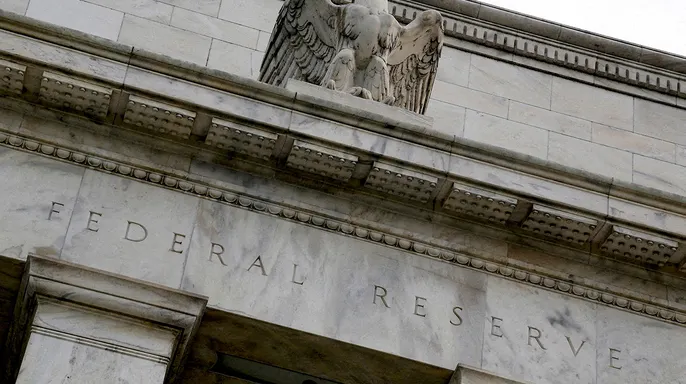
Young workers are the ones currently funding the system through payroll taxes while the trust fund burns through its reserves. The Social Security trustees' 2026 report says the fund will run dry in 2032, leaving enough cash to cover only about 78% of scheduled benefits unless laws change. The CRFB wants a new way to calculate COLAs, perhaps using a different inflation measure or capping increases for wealthy beneficiaries. They also back adding more revenue and reforming other benefits to shore up the finances.
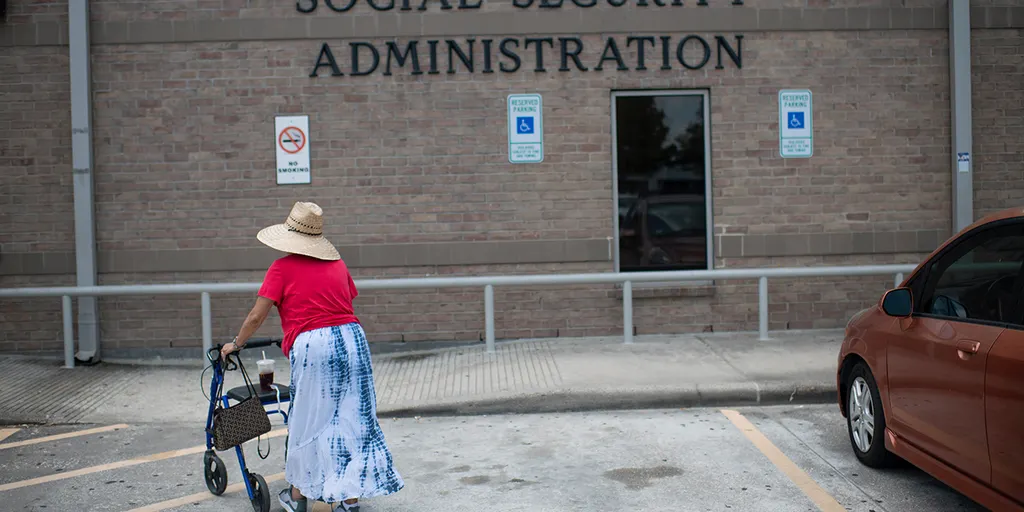
AARP pushes back hard against any idea of cutting or capping annual adjustments. Their argument is simple: the current raises already fail to keep pace with what older Americans spend on living costs. The gap between rising expenses and static income widens every year. This tension highlights a harsh reality for retirees who rely entirely on these payments to survive.
Photos