Smoke from Indonesian fires forces Malaysia schools to close
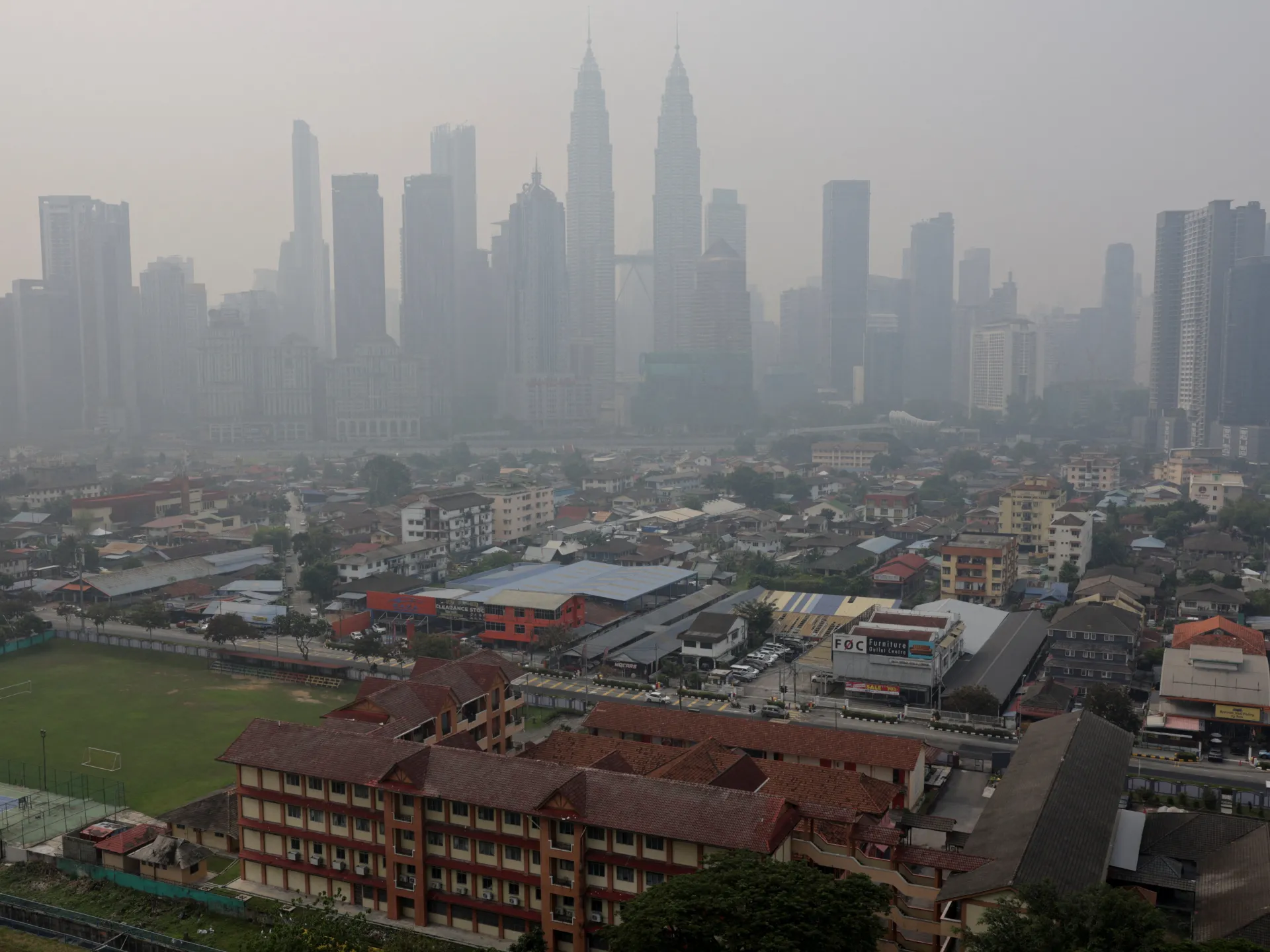
Smoke from Indonesian forest fires has forced Malaysia to shutter classrooms across the capital and several neighboring states as air quality deteriorated into unhealthy territory. The Air Pollutant Index in Kuala Lumpur climbed to roughly 170 on Friday, prompting officials to order schools closed in Putrajaya, Johor, Malacca, Negeri Sembilan, Pahang, and Selangor. This decision impacted approximately two million students who faced another day without class.
The situation is not isolated to Malaysia alone. Singapore recorded air quality falling into the very unhealthy range, according to data from IQAir. The haze has created a regional crisis that extends beyond education closures. In Sarawak, authorities have already declared an emergency as conditions worsen. Scientists warn that powerful El Nino patterns supercharged by climate change could drive fire seasons like this one and potentially cause more than 450,000 deaths globally if trends continue unchecked.
Prime Minister Anwar Ibrahim addressed the gravity of the situation directly. He stated that the haze issue is indeed at a worrying level. The leader noted he had spoken with Indonesian President Prabowo Subianto, who agreed to take necessary steps but offered no specific details on what those actions entail. Anwar also requested an urgent meeting of ASEAN environment ministers through his foreign affairs minister while Kuala Lumpur stepped up cloud seeding operations to trigger rain.
King Sultan Ibrahim weighed in on the protection of vulnerable groups. He emphasized that appropriate measures must be taken by relevant ministries and agencies to protect schoolchildren, students, senior citizens, and patients with respiratory illnesses. His declaration set a clear standard: schools should close whenever API readings hit 150 or higher. Under current Malaysian guidelines, any reading above 100 counts as unhealthy, levels above 200 are very unhealthy, figures surpassing 300 become hazardous, and anything beyond 500 triggers the threshold for a local emergency.
Education Minister Fadhlina Sidek promised parents more advance notice of future closures to give families better time to prepare. The fire season has been severe. Indonesia's coordinating minister for political and security affairs noted in August that El Nino conditions were threatening more fires during the dry season. A month later, smoke began blanketing the region as the country endured its worst fire season in over a decade.
Fires have burned across six provinces with at least 200,000 hectares scorched, according to reporting by Al Jazeera's Jessica Washington. The health impact is already visible and likely underestimated. Indonesia's Ministry of Health has recorded more than 170,000 respiratory infections, yet the actual figure is probably higher since these numbers only cover those who sought out healthcare.
Even major sporting events face disruption from the smog. Organisers of Singapore's Formula One weekend are set to start on Friday and end on Sunday. They have insisted they will race regardless and plans include masks for officials and extra medics on site. Officials claim the event faces no threat, though the lingering smoke over Southeast Asia suggests the danger remains real for many residents breathing through the haze.
Photos