Smart toilets soon offer instant health checks for bowel cancer and heart issues.

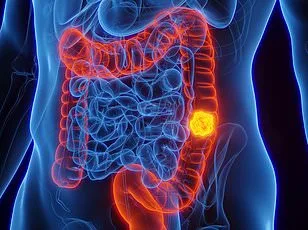
The first stop when health worries arise is usually the GP. What if we could get an instant check on key aspects of our health simply by popping into the bathroom? That reality is arriving soon with a range of 'smart' loos capable of measuring heart rate, blood oxygen levels, and even detecting blood in poo as a warning sign for bowel cancer. Some models monitor urine expelled into the bowl to spot patterns suggesting an enlarged prostate in men. The goal is clear: use bathroom habits as an early warning system before symptoms appear or major problems develop.
Scientists have spent two decades trying to turn the humble WC into a do-it-yourself diagnostic centre. One of the latest breakthroughs is a high-tech seat detecting atrial fibrillation, an abnormal heart rhythm that causes strokes. Around 1.4 million people in the UK live with this condition where the heart beats irregularly, allowing blood to pool and form clots. If a clot travels to the brain, it blocks a vessel and triggers a stroke. Atrial fibrillation is particularly dangerous because it often comes and goes, remaining hidden until a patient suffers a stroke. Diagnosing this remains difficult. Patients might wear a Holter monitor that records electrical activity for up to 48 hours, yet this only gives a snapshot of the body's state and can be uncomfortable.
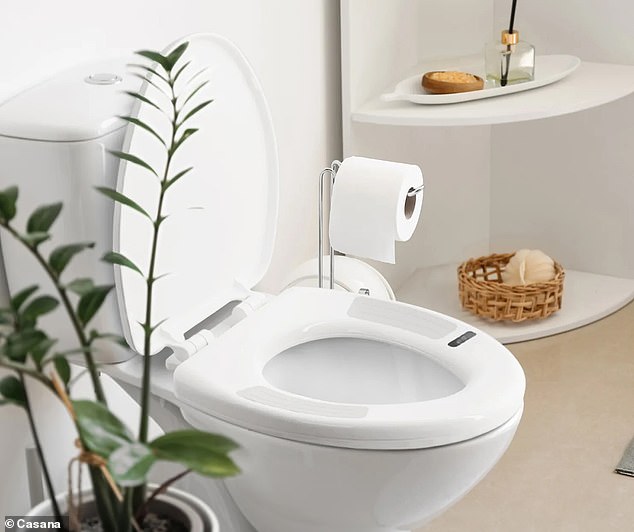
New York-based health tech firm Casana developed a loo seat performing an ECG alongside a sensor carrying out photoplethysmography. This involves shining light through skin to measure heart rate and blood-oxygen levels. Scientists hope this smart loo seat offers a simpler alternative. Developed by German firm Hamberger Medical, the computerised seat contains four electrodes performing an electrocardiogram that measures the heart's electrical activity. When someone sits down, the seat records heart action for 30 seconds before sending results to a smartphone app capable of transmitting data to a doctor.
Hamberger Medical claims a recent clinical trial comparing the loo seat ECG with a conventional hospital ECG showed equal effectiveness at detecting heart rhythm abnormalities. The findings have not yet been published in a peer-reviewed journal. The battery-powered seat costs just over £1,000 and is currently available only in Germany. Dr Klaus Witte, a consultant cardiologist at the Leeds Institute of Cardiovascular and Metabolic Medicine, calls it an interesting concept. He notes that abnormal heart rhythm is a risk factor for stroke and atrial fibrillation is the most common type, yet it is often not found until too late.
Dr Witte points out that similar technology already exists in smartwatches, but contact with skin there is less than optimal because devices move around on the wrist and are often not ideal for interpretation. For those people for whom a watch isn't acceptable but who want a reliable ECG, a smart loo seat could be a reasonable alternative. Meanwhile, New York-based health tech firm Casana has also developed a loo seat performing an ECG with added sensors using light to measure vital signs. This shift could change how we approach early detection and keep people safer without needing immediate hospital visits.

Patients with chronic obstructive pulmonary disease or lung cancer often struggle with low oxygen levels caused by damaged lungs. They require regular monitoring. Currently, many individuals clip a pulse oximeter onto their index finger to track blood oxygen saturation. Now, engineers hope that smart toilet seats will make early detection of changes much simpler. These devices automatically check vital signs every time a user sits down.
Texas-based Throne Science is transforming bathrooms into health-monitoring stations with gadgets attached to the bowl. Their camera analyzes waste products the moment they enter the loo. The system examines stool for color, consistency, and volume while specifically hunting for blood. It also records urine color and concentration. A built-in microphone listens to the sound of the urine stream. In men, this audio data could reveal clues about prostate health. Weaker flows or constant stop-starting might indicate benign prostatic hyperplasia, or an enlarged prostate.
Drugs would work better if the camera spots small changes before a man notices them himself. Surgery to shrink enlarged tissue could potentially be avoided entirely. However, this device is not yet available in the UK. It costs $400 in the US, which converts to roughly £296. Another option comes from German firm Hamberger Medical. Their computerized toilet seat contains four electrodes that perform an electrocardiogram. This test measures electrical activity within the heart.
Dr James Kinross serves as a colorectal surgeon at Imperial College Healthcare NHS Trust and acts as spokesman for Bowel Research UK. He believes smart loos may prove useful for screening diseases like bowel cancer in the future. These tools could also track how patients respond to treatments such as dietary changes. They might be more reliable than relying on patient recollections. Consumer electronics firm Withings has developed a urine analysis device that clips onto the front of the loo bowl. Every time someone urinates, it collects a sample in a cartridge. Sensors inside analyze the fluid for hydration, acidity, and ketones. Ketones are acids produced when the body breaks down fat.
Most healthy people have little reason to check ketone levels routinely. But for those with diabetes, raised ketones signal a dangerous buildup of acids in the blood. The device is called the U-Scan Nutrio. It costs £319.95 upfront plus £35 per month for new cartridges. Alex Miras, a professor of endocrinology at Ulster University, noted that the technology is interesting but questioned its necessity. People with type 1 diabetes usually receive blood ketone meters. These hand-held devices measure ketones in a single drop of blood and work pretty well. Yet there are downsides to smart loos. Experts warn that constantly highlighting harmless fluctuations could cause unnecessary worry. Dr Kinross stated we already have invasive health tech capable of causing health anxiety.

A diet high in ultra-processed food links directly to obesity and ill health. Does this include your favorites? This week we examine baked beans. Baked beans are a cupboard staple often falling into the ultra-processed category. Tesco Baked Beans in Tomato Sauce includes modified cornflour, says dietitian Nichola Ludlam-Raine. She explains that this ingredient stabilizes and thickens sauces during food manufacturing. However, baked beans do offer nutritional benefits. Haricot beans are rich in fibre and protein. These nutrients support gut health and keep you feeling full for longer. They also contribute to your five-a-day fruit and vegetable goal. Nichola Ludlam-Raine suggests adding flavor and ingredients to boost nutrition further. Try heating them with smoked paprika, garlic, chilli flakes or cumin.
Add spinach or chopped tomatoes to stir up extra nutrients, or pile this onto wholegrain toast with a fried egg and some grated cheese for a solid dose of protein and calcium. If you want something less processed, look for brands that skip modified starches and stick to a simple ingredient list. M&S Baked Beans in Tomato Sauce is one such example; they contain just beans, tomatoes, and basic seasonings, making them a smart alternative for those watching what they eat.
Photos