Smallest UK smoking generation faces stubborn pockets in poorer regions
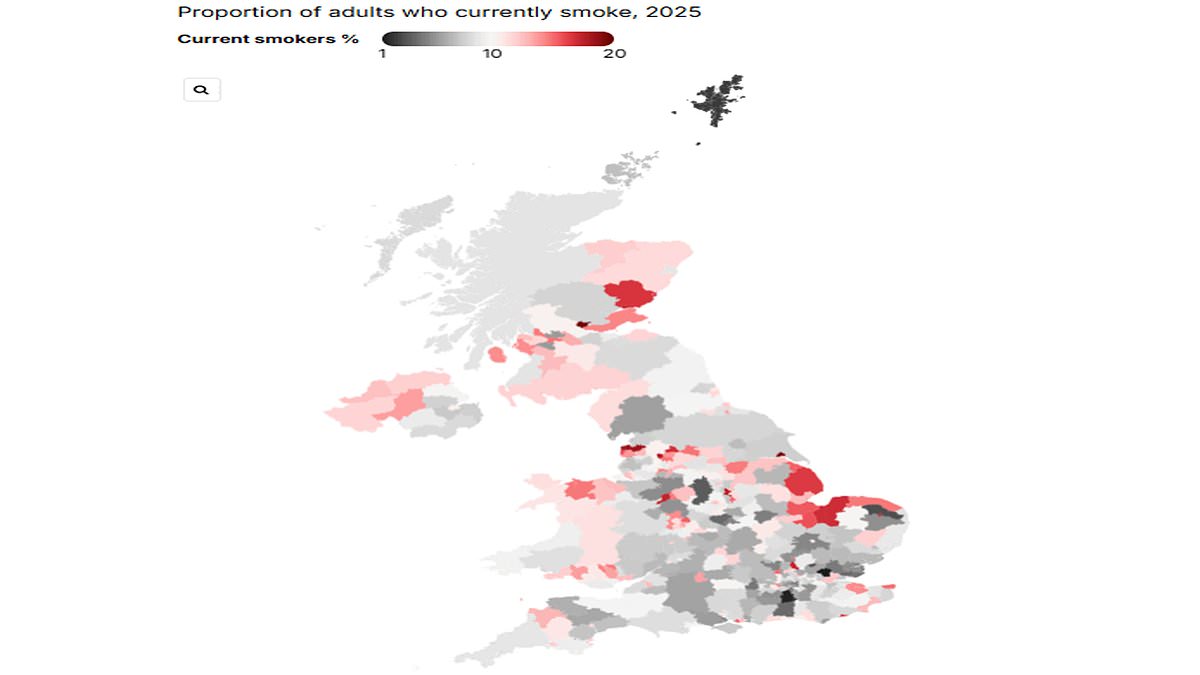
New data exposes a harsh reality: while Britain moves toward a smoke-free future, pockets of stubborn smokers remain trapped in older, poorer neighborhoods. Official figures released this week confirm fewer than one in ten UK adults light up now, a massive drop from 2011 when rates were double that number. This record low honors the government's pledge to build a generation without cigarettes. Yet, a dedicated core refuses to quit, and their numbers swell specifically where money is tight and age climbs.
The Office for National Statistics paints a clear picture of this divide. The highest smoking rates cling to men aged 45 to 54. For these men alone, the trend defies the national drop, climbing from roughly 12 per cent in 2020 to nearly 15 per cent by 2025. Experts point to real walls blocking progress in deprived areas, like a lack of stop-smoking help. The gap shines brightest in northern England. Blackpool and Kingston upon Hull stand out with almost one in five adults smoking; that figure hits twice the national average. Greater Manchester follows suit with prevalence well above the norm. Look south instead, and numbers plummet. Woking in Surrey sees just 3 per cent of residents smoking, while Mole Valley sits even lower at 1.3 per cent.
Money rules this game. In 2025, more than one in six unemployed adults smoked, alongside workers in manual labor jobs who face stubbornly high rates. Professional occupations tell a different story, with fewer than 6 per cent of those people using tobacco. Public health warnings now suggest England might not be smoke-free until 2037, seven years past the original hope. Even then, experts predict the poorest will use tobacco four times more often than the wealthy. Charities like Cancer Research UK are urging ministers to pour cash into information campaigns and services for those struggling most.
Peter Nixon of Philip Morris argues that current policy leaves northern communities behind, widening the divide between north and south. He calls for evidence-based decisions and product standards that help smokers switch to better options. Awareness of harm has dropped cigarette popularity, ranging from lung cancer to heart disease. Officials push vaping as a less harmful tool for quitting, but fairness remains the issue. Bans in outdoor areas and stop-smoking campaigns do not roll out evenly across the land. A new levy on vaping adds almost £600 annually to costs, potentially scaring off economically inactive smokers who need help to quit. Evidence shows vaping exposes users to far fewer toxic chemicals than tobacco, yet it is not risk-free. Hazel Cheeseman of Action on Smoking and Health notes that for the first time, fewer than one in ten people smoke, marking encouraging progress. However, she insists a careful balance must be struck before measures like price hikes push vulnerable smokers away from quitting entirely.
Vaping must stay far cheaper than smoking to avoid blocking smokers from quitting. This stance holds as fresh data reveals that for two years straight, more people are vaping than smoking across the nation. The numbers show 5.4 million vapers versus 4.8 million smokers right now. People aged 25 to 34 lead this shift in habits. Roughly 16 per cent of them use e-cigarettes daily or occasionally. Yet another worry looms over these figures. More than one million Britons who never smoked cigarettes have started vaping instead. This rise has nearly doubled since 2021 according to the ONS. Experts call this trend concerning because it signals a shift away from traditional smoking entirely. The government must act before price becomes an excuse for youth initiation.
Photos