Six Pillars of Lifestyle Medicine Offer Hope for Reversing Type 2 Diabetes

Type 2 diabetes can be reversed through targeted lifestyle interventions, according to a growing consensus among medical experts. The American College of Lifestyle Medicine (ACLM) has highlighted six pillars of lifestyle medicine—ranging from adopting a plant-based diet to prioritizing sleep—as critical strategies for managing and potentially reversing the condition. With nearly six million people in the UK living with diabetes, the urgency for effective, accessible solutions has never been greater. This approach shifts the focus from merely controlling symptoms to addressing the root causes of chronic disease through evidence-based lifestyle changes. Dr. Padmaja Pater, president of the ACLM, emphasized that remission for type 2 diabetes should be a central goal in healthcare, stating, "We believe remission for type 2 diabetes and many other chronic conditions should be the North Star outcome guiding care."
Type 2 diabetes occurs when the body either fails to produce enough insulin or becomes resistant to its effects. Insulin is essential for regulating blood sugar levels, and uncontrolled hyperglycemia can lead to severe complications, including heart disease, stroke, kidney damage, and nerve issues. The condition is strongly associated with obesity, sedentary behavior, and chronic stress. Research underscores that approximately 90% of diabetes cases are type 2, with modern lifestyles—characterized by processed foods, prolonged sitting, and high-stress environments—playing a significant role in its rising prevalence. A study by the Norwegian University of Science and Technology, which tracked over 86,000 individuals from 1984 to 2019, found that more people at genetic risk for diabetes are developing the condition than in previous decades. The researchers linked this trend to societal shifts, including increased consumption of ultra-processed foods, reduced physical activity, and higher stress levels.
Sleep, in particular, has emerged as a critical factor in diabetes prevention and management. A 2024 study following nearly 250,000 Britons revealed that individuals who consistently slept less than six hours per night faced a 16% higher risk of developing type 2 diabetes, even when their diets were otherwise healthy. This finding underscores the limitations of diet alone in mitigating diabetes risk and highlights the need to address sleep as a cornerstone of preventive care. The same study noted that sleep deprivation is associated with elevated risks of hypertension, heart disease, and stroke, further complicating long-term health outcomes.

Artificial sweeteners, often marketed as healthier alternatives, have also come under scrutiny for their potential role in diabetes development. Research from last year indicated that artificial additives like aspartame—found in products such as Diet Coke and low-fat yogurts—may disrupt gut microbiota, altering the body's ability to regulate blood sugar. Individuals who consumed a combination of artificial sweeteners faced a more than 10% increased risk of diabetes compared to those who avoided them. Experts suggest that these additives may interfere with metabolic processes, contributing to insulin resistance over time.
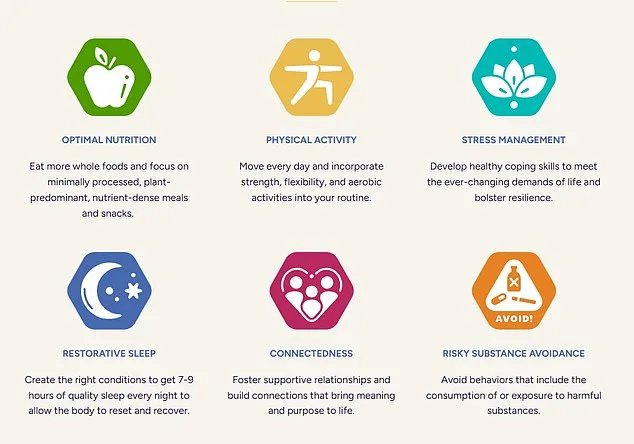
The ACLM's six pillars of lifestyle medicine—plant-based nutrition, regular physical activity, stress management, quality sleep, avoidance of harmful substances, and social connection—offer a holistic framework for reversing type 2 diabetes. These strategies are not only effective but also accessible to the general public, emphasizing that chronic disease need not be a lifelong burden. As Dr. Pater noted, the goal is to move beyond symptom control toward health restoration, extending quality of life and reducing the strain on healthcare systems. With growing evidence supporting the power of lifestyle changes, the message is clear: proactive, sustainable interventions can transform the trajectory of type 2 diabetes and other chronic conditions.
The National Health Service (NHS) has rolled out a groundbreaking initiative aimed at reversing type 2 diabetes through a structured 800-calorie-a-day meal plan, known as the soup and shake diet. This program, rooted in lifestyle medicine principles, has already enrolled over 13,000 adults in England by 2024, marking a significant shift in how the UK approaches chronic disease management. By focusing on rapid weight loss and sustainable lifestyle changes, the NHS seeks to address a growing public health crisis, with type 2 diabetes affecting nearly 4 million people in the country.
The intervention is designed to help participants lose between 22lb and 33lb (10kg to 15kg), a range experts say is often sufficient to put the condition into remission. This approach aligns with medical guidelines that emphasize the link between obesity and diabetes, as well as the potential for weight loss to restore insulin sensitivity. The meal plan includes nutrient-dense soups and shakes, carefully formulated to meet daily caloric and nutritional needs while minimizing the risk of nutrient deficiencies.
Alongside the dietary restrictions, the program provides personalized support, including one-to-one guidance from healthcare professionals. This tailored approach ensures participants can gradually reintroduce healthy foods, maintain weight loss, and develop long-term habits that reduce reliance on medication. For many, this means stopping treatments for type 2 diabetes and related conditions like hypertension, a move that has been endorsed by leading endocrinologists and public health officials.
Public health experts have praised the initiative as a scalable solution to a systemic problem, noting that lifestyle interventions are often more cost-effective than long-term pharmacological treatments. However, critics have raised concerns about the sustainability of such extreme calorie restrictions and the potential for disordered eating patterns. Despite these debates, the NHS continues to expand the program, citing early data showing significant improvements in patients' quality of life and reduced hospital admissions for diabetes-related complications.
The government's investment in this program reflects a broader commitment to preventive care, with ministers emphasizing the need to reduce the burden of chronic disease on the healthcare system. By prioritizing lifestyle changes over medication, the NHS aims to create a blueprint for future public health initiatives, one that balances immediate results with long-term well-being. For now, the success of the soup and shake diet underscores the power of structured, evidence-based interventions in transforming individual and national health outcomes.
Photos