Silverfish Infestations Signal Moisture Problems Brits Must Fix Now
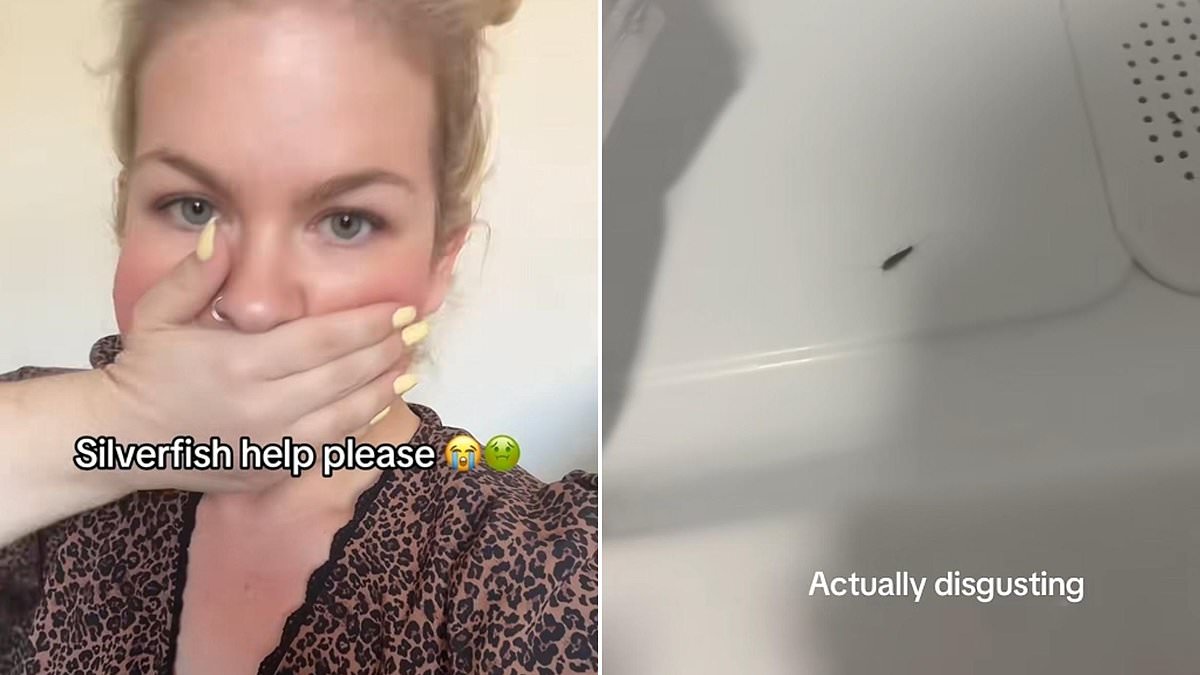
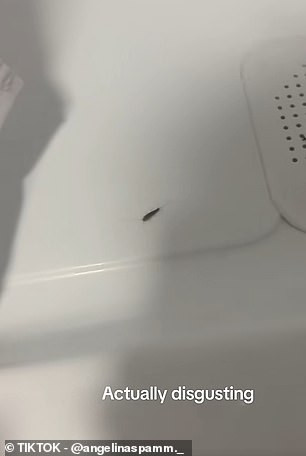
Horrified Brits are flooding social media with horror stories about their homes crawling with silverfish. These tiny, wingless pests love warm, humid air and they gravitate straight toward bathrooms, kitchens, and basements. Because they only show up in the dark, many homeowners miss an infestation until one suddenly darts across a sink or tiled floor late at night. As autumn sets in and temperatures drop, condensation creeps into corners, making conditions perfect for these insects to multiply. While silverfish do not hurt humans, their presence signals a moisture problem that needs fixing fast before it gets worse.
'Finding a small, silver insect darting across your bathroom floor can be unsettling, but it could also prompt a useful check of the conditions in your home,' said Chris Harvey, marketing director at heating specialist Stelrad. Experts warn that ignoring the signs now will only let the problem grow out of control. There are simple steps homeowners can take right away to stop these pests from taking over their properties.
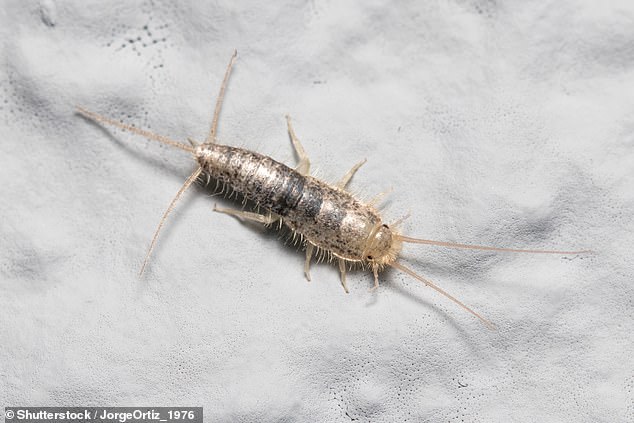
The first move is to ensure moisture escapes while you shower. Steam lingers long after you step out, settling as condensation on cold windows and walls. 'If you have an extractor fan, allow its run-on function to operate,' Mr Harvey said. If you rely on a window instead, open it during and after showering where safe and practical to help moist air escape. Keep the bathroom door closed while clearing the steam to limit it spreading into other rooms, and don't block ventilation openings to keep the room warm.

Ensuring the bathroom radiator is working properly can also help, as the warmth aids drying damp walls and reduces excess moisture in the room. 'A working radiator helps maintain a comfortable room temperature, but it isn't a substitute for ventilation,' Mr Harvey explained. If your radiator has persistent cold spots, leaks or isn't heating the room adequately, have the problem investigated rather than repeatedly increasing the setting.
Spread towels out so they can dry instead of leaving them in a wet pile on the floor or stacking them on top of each other. People on social media are desperate to learn how to get rid of the pests before the infestation spreads further.

Experts warn that ignoring condensation or failing to boost ventilation could let a small issue spiral out of control. Before the problem gets worse, homeowners need to hunt for signs of persistent damp. While silverfish won't hurt you directly, their arrival is a loud alarm bell pointing straight at a moisture crisis inside your walls.
"If you use a heated towel rail, avoid layering so many towels over it that they struggle to dry," Mr Harvey advised during his latest update on pest control. "Remember that drying towels releases moisture into the room, so ventilation still matters even when the towel rail is warm." That simple truth often gets overlooked in the rush of daily life.
If you are finding these insects showing up regularly, it is time to pull back the curtain and check around sinks, toilets, baths, and showers for hidden wet spots. Dripping pipes, damp patches that refuse to vanish, and water sitting on floors can all create the perfect breeding ground for bugs like this. Mr Harvey noted that silverfish are almost always linked to ongoing damp issues. Tackling the source of any excess moisture is not just a suggestion; it is an essential step in stopping them from turning into a recurring nightmare.

"If an area stays wet even when the bathroom hasn't been used, arrange an appropriate repair," he said firmly. Leaving that kind of leak unattended invites trouble. You should also strip away cardboard boxes, old paperwork, and other clutter from damp storage areas. Silverfish feed on paper-based materials and love the adhesives holding them together. Getting rid of those food sources helps clear the path forward. Finally, if the pests keep coming back despite your best efforts, seek professional advice immediately. Time is ticking before the infestation grows deeper.
Photos