Shower Pause Saves Billions: New Study Cites Simple Habit Change
Imagine standing under a spray of water, letting it wash over you while you lather your scalp. Now imagine pausing that flow for thirty seconds to finish shampooing your hair. Environmental scientists in Britain are asking if you would do this simple switch to help close England's massive water gap. By 2055, experts warn the country faces a shortfall of five billion litres every single day. Disrupted supplies loom on the horizon. Instead of relying solely on gadgets like water-saving shower heads, researchers argue that changing daily habits might be just as powerful.
A new paper in the Journal of Environmental Management backs this up with data. It recommends a single, efficient pause while lathering. Dr Pablo Pereira-Doel from the University of Surrey explained the core finding to reporters. He noted that identity or location matters less than what happens inside the shower cabin. Small routines like applying shampoo twice or letting water run during lather extend time far beyond what people realize. Taking one quick break reduces consumption significantly.
The team tracked 319 households across Germany using smart sensors in bathrooms. These devices recorded exactly how individuals showered over forty days. They captured 8,550 individual showers and measured duration, pauses, and environmental conditions. Time-stamped surveys helped understand how routines affected usage. On average, participants spent four minutes and forty-eight seconds washing up. Almost two-thirds kept their time under five minutes. However, around one in seven showers ran longer than eight minutes, wasting considerably more water.
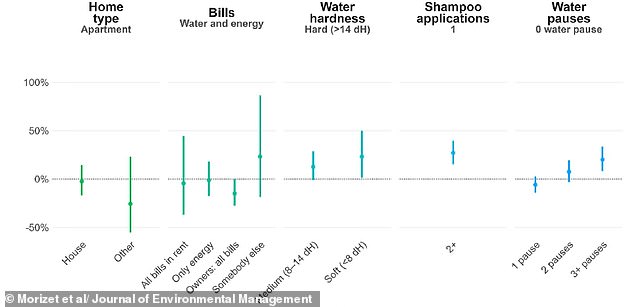
More than half of the shampoo showers involved no pause at all. This suggests many people simply leave the tap running while they work on their hair. The researchers call this a missed opportunity to save resources. They suggest nudging people toward pausing during this moment. The study also found that those who shampooed twice spent around twenty-seven per cent longer in the shower than those washing once. Water hardness played a role too, but habit change remains key.
Some may argue technology offers an easier fix. But if others pay the bill or live in soft water areas, consumption still spikes without behavioral shifts. Turning off the water for thirty seconds is a small act with large results. It challenges us to look at our own habits critically. Will you make that pause? The future of England's supply depends on choices made right now in every bathroom across the nation.
Rain on soft water taps kept people under the spray for roughly 23 per cent longer than the equivalent downpour in hard water zones. The logic seems simple enough: softer lather feels better, so folks just stay there. Younger adults and middle-aged workers lingered more than those past fifty. Older bodies might simply crave a quicker exit.
Researchers are now looking at smart gadgets that flash real-time data right on the wall. They also suggest tweaking haircare products or nudging habits to cut time. A different report from earlier this year noted many Britons installed meters just to shame themselves into stopping sooner. Those devices start a timer the instant water hits the floor, effectively calling out your long bath.
The team behind one of these studies asked 100 industry pros across 60 UK firms for their take. They found three big winners for saving gallons: plugging leaks at home, shortening the wash, and not flushing too much. A typical shower blasts between six and 15 litres every minute. If you spend an average 6.7 minutes standing there, that adds up to a full 100 litres of water gone in one go.
The government wants daily use down to 110 litres by 2050. One long soak could wipe out your entire daily allowance before you finish drying off. Another trial showed timers alone cut shower time by 26 per cent. Sofie Voss, a PhD student at the University of Surrey, explained that most folks drive on autopilot without checking the clock. Real-time feedback snaps them out of it.
'It creates a moment of awareness,' she told the Daily Mail, 'urging people to notice that time is passing and to decide to stop sooner.' Without that nudge, we keep washing longer than necessary. Communities face real risks if water supplies tighten. Only those with money or power get detailed data on their usage right now. The rest guess based on vague bills.
Photos