Shingles jab sales double as people queue to prevent dementia
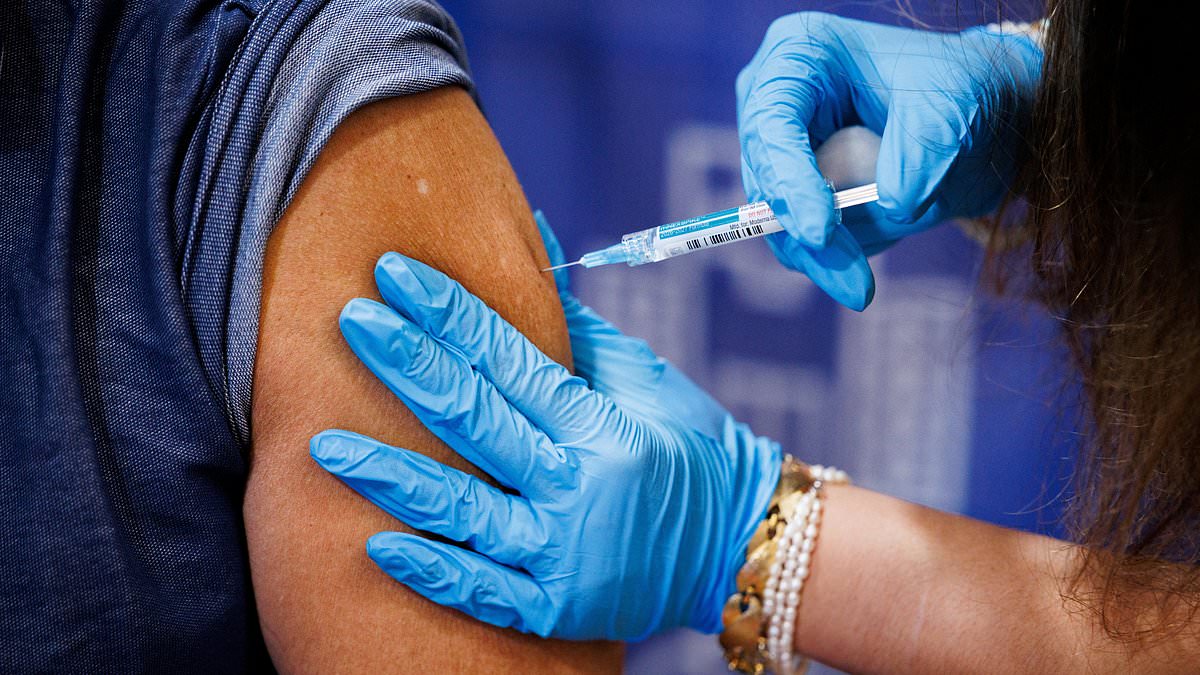
Sales of a £460 shingles jab have more than doubled in just one year. This surge follows claims the vaccine might help prevent dementia. People over 50 are queuing at Boots for Shingrix after studies suggested it could cut dementia risk by as much as 20 per cent. Those aged 65 and older already qualify for the drug on the NHS, yet anyone over 50 can buy it if they choose to pay. The pharmacy chain reported a 30 per cent jump in bookings for the year ending September 2025, marking more than double the figures from the previous twelve months.
Shingles is a viral infection triggered by the reactivation of the varicella-zoster virus, the same bug that causes chickenpox. It produces a painful blistering rash, usually around the waist. Severe cases can lead to secondary infections, neurological problems, and agony lasting for months. Scientists have long suspected a link between shingles and dementia. GlaxoSmithKline, which makes Shingrix, called 2025 'another record year' for the vaccine, reporting sales of £3.6 billion.
Recent research has intrigued experts by suggesting vaccines might boost the immune system to fight other issues beyond the intended virus, such as neuro-inflammation and infections tied to dementia. A Stanford University study last year compared two groups in Wales and found the shot reduced the chance of a new dementia diagnosis by up to 20 per cent among recipients. Former health minister Lord Bethell wrote in The Mail on Sunday that he is paying for the jab because he is so convinced it will stop him getting the condition.
However, caution remains. Dr Alasdair Munro of the University of Southampton, who designs and runs clinical trials for vaccines, warned: 'History is littered with examples where these types of studies found what looked like very promising effects, but when we went to trial them... they failed to replicate those findings.' The public interest in this potential breakthrough grows as more people seek access to a treatment that could offer protection against multiple health threats. Yet the gap between early study results and proven medical outcomes continues to widen for some observers.
Photos