Shifting Stakes: Oil Tankers Ignite Tensions in Strait of Hormuz
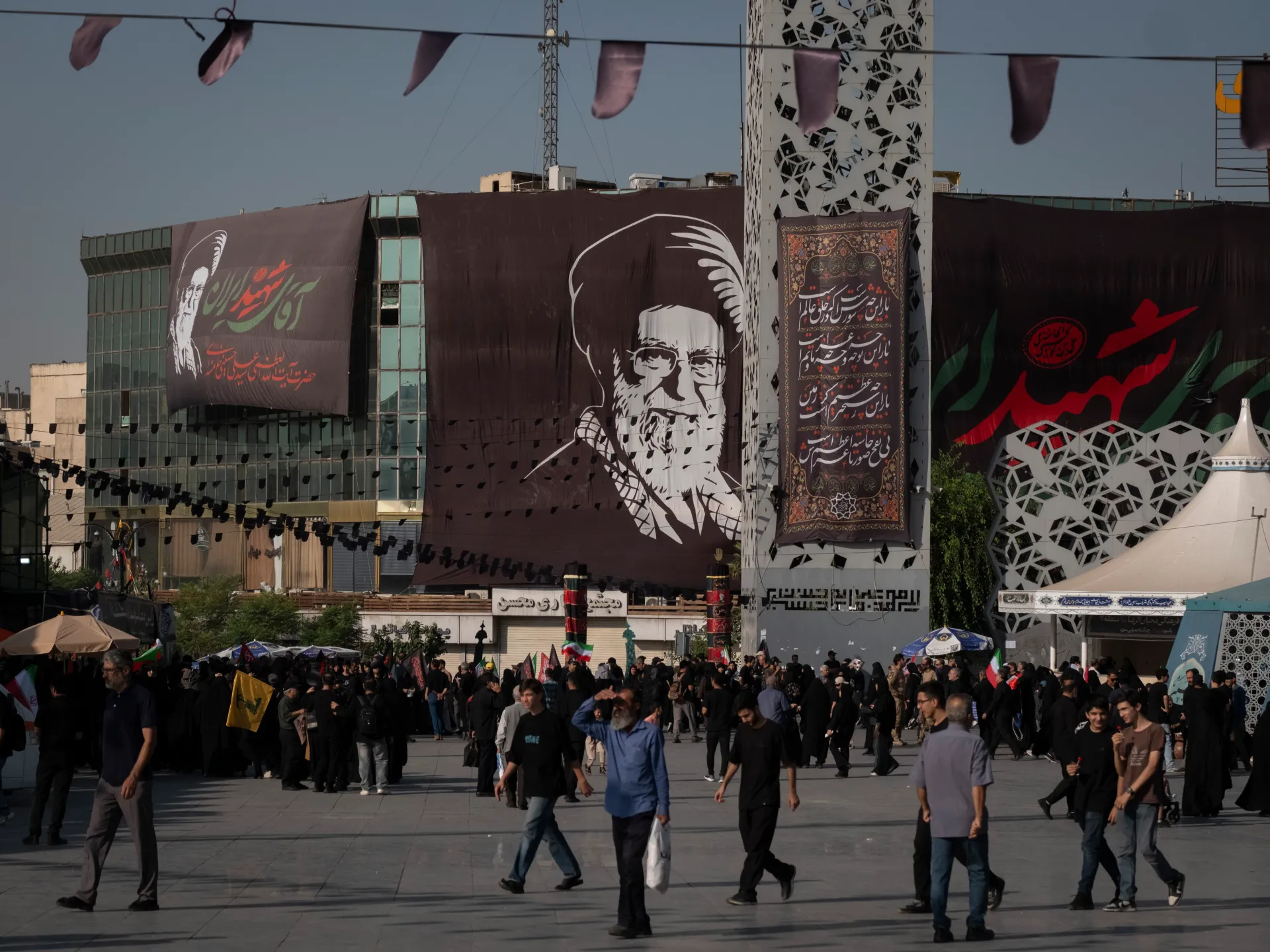
Experts say the positions of Washington and Tehran have shifted dramatically since US-Israeli strikes kicked off the conflict in late February. Now, seven oil tankers report catching fire or taking damage within and around the Strait of Hormuz. The Islamic Revolutionary Guard Corps warns that fresh American attacks could spark a broader response, while the world holds its breath for renewed fighting.
Analysts think it unlikely the US will strike before the November 3 midterm elections. Yet, saber-rattling from both sides keeps fears alive that harsh words could turn into new attacks. The future of the Strait of Hormuz and Iran's nuclear facilities remains at the center of this tension. Before February 28, when the first bombs fell, no one cared about Gulf waterways. Talks were happening to address Iran's nuclear program instead. Today, those talks have stalled while a global energy crisis worsens.
The geography of the fight has changed completely. In February, the goal was simple: topple leadership and weaken regional allies like Hamas and Hezbollah. Trump pledged then that US forces would not be attacked by Tehran-backed groups. The offensive did force a change in Iran's government, but it did crush Hamas. More than 1,400 Palestinians have died since a US-backed ceasefire ended last October. Israel continues its assault on Gaza. Hezbollah retaliated after the killing of Supreme Leader Ali Khamenei in early March. Its strikes against northern Israel brought Lebanon into the war.
Israel bombed sites in southern Lebanon and Beirut suburbs it viewed as Hezbollah strongholds. At one point, Israeli forces occupied about one-fifth of Lebanon. That action displaced more than one million people. Significant land on the southern border is still held by Israeli troops. However, the biggest shift involves waterways and energy infrastructure. Iranian attacks on US military assets and civilian targets have exposed Gulf nations to consequences they hoped to avoid.
Urban Coningham, a research fellow at the Royal United Services Institute, told Al Jazeera that earlier negotiations focused solely on regional allies and nuclear issues. Now the Strait of Hormuz stands as a central point of contention. The Gulf has seen attacks before, but Coningham notes the scale and velocity of recent Iranian strikes mark a major shift. These hits target oil and gas infrastructure directly. The Strait of Hormuz, once freely open to international shipping between Iran and Oman, now gives Tehran a way to impose costs far beyond its borders.
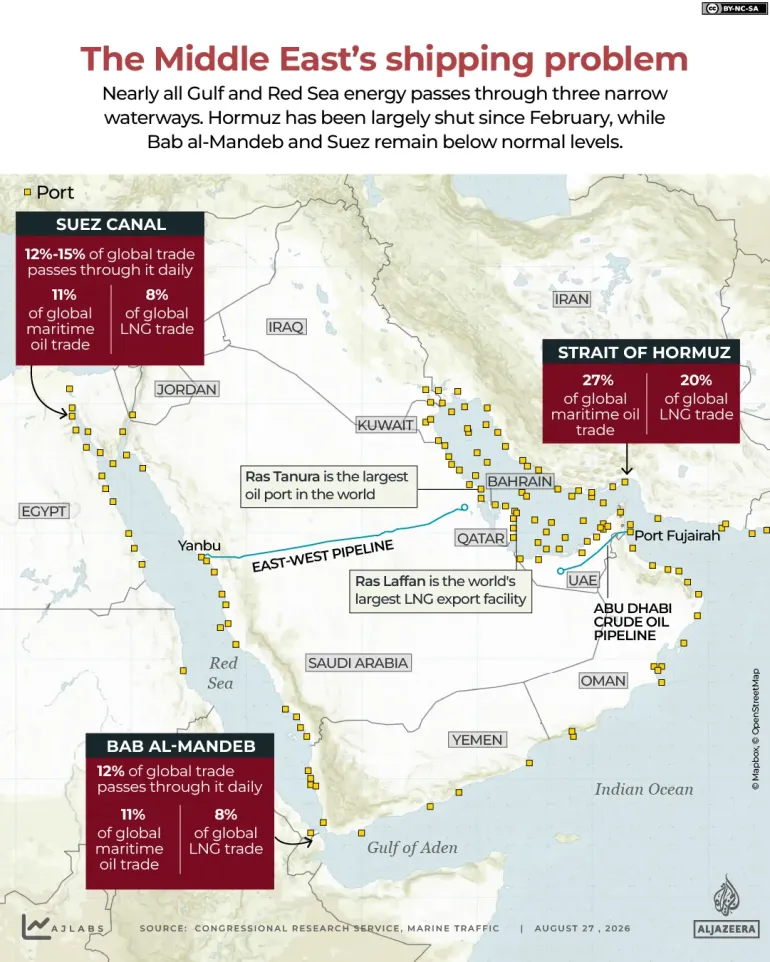
Shipping lanes remain choked by Iranian threats and American blockades alike, creating a nightmare for global trade. Oil and gas supplies have shrunk to dangerous lows while traffic grinds to a halt in the region. The Pentagon admitted it did not anticipate Iran's resolve to close the strait so quickly. Defence Secretary Pete Hegseth pushed back against that report, claiming military planners had already accounted for such moves. Yet the damage is done and ports sit idle under heavy pressure from Washington's sanctions regime.
Fighting has flared again in Yemen between Saudi-backed forces and Iran-aligned Houthis. This new violence drags the war into Saudi Arabia itself as missiles strike airports and oil facilities there. Bab al-Mandeb, the narrow passage connecting the Red Sea to the Gulf of Aden, now faces fresh threats from Houthi drones targeting Saudi-linked cargo. These attacks could strangle exports from the Persian Gulf further while adding weight to American diplomatic burdens. Leaders on both sides know the stakes are higher than ever before.
Iranian rulers worry about internal unrest and their own survival more than anything else right now. They do not face an upcoming election like Donald Trump's party does in less than two weeks. Public anger boiled over after January crackdowns on protests about inflation and currency collapse. US-Israel strikes killed Supreme Leader Khamenei who ruled since 1989 along with security chief Ali Larijani. The Islamic Republic stands firm despite these blows to its leadership structure. Mojtaba, the late leader's son, now holds the top seat while hardliners gain ground through IRGC influence.
Colonel Coningham warned that silence in the streets does not equal public support for the regime. He noted that resistance rallies against foreign attacks masked deeper fragility within the state. "While the conflict had produced a rallying effect around resistance to foreign attacks, that did not mean Iran had emerged stronger," he said plainly. The absence of mass demonstrations should not be read as genuine approval from ordinary citizens.
Trump faces mounting pressure at home before any new strikes occur on Iranian soil. His job approval rating dropped sharply in recent surveys reflecting widespread frustration over fuel prices and the war itself. A Reuters/Ipsos poll showed his support falling from 40 percent to just 31 percent by Monday morning. That figure represents the lowest recorded for him across both presidential terms according to the data released that day. Americans are unhappy about soaring petrol costs and deep opposition to military action in Iran.
Iran's economy struggled long before this latest round of hostilities began under sanctions and frozen assets abroad. The fighting has only tightened the noose as Washington combines naval blockades with financial penalties on anyone doing business there. In April officials put total damage from attacks at $270bn including both direct hits and indirect losses. Pressure peaked in late August when Operation Economic Outcast launched to isolate Iran completely from international trade networks. Official statistics showed GDP shrinking by 10.1 percent year-on-year between March 21 and June 20 while the rial plummeted in value against foreign currencies. Energy exports face severe restrictions due to American naval patrols enforcing strict blockade rules.
The United States has paid a heavy price too for pursuing this aggressive strategy abroad. The Congressional Budget Office calculated that military spending reached $38bn by August 1 alone according to September estimates. These costs pile up alongside diplomatic isolation and growing domestic opposition to the conflict. Every day of fighting drains resources needed elsewhere while pushing allies toward questioning American commitments. The economic balance tilts against continued escalation as both nations bleed money on a losing cause.
The ongoing conflict is projected to run roughly $2 billion to $3 billion per month for the US government, a figure that shifts based on how fierce the fighting gets. This massive financial drain pushed national debt past $40 trillion back in August, landing there two years ahead of schedule.
How exactly has the military balance shifted? On one side, Washington proved it could strike deep into Iranian territory. Yet that destructive reach failed to topple Tehran's political system or end its ability to hit US assets and energy infrastructure across neighboring nations. Coningham noted the core problem for the Americans: "translating military superiority into strategic results." He flagged recent troop moves as potential posturing, even as they mark a genuine turn from earlier plans to shrink the US footprint in the region. Reports from Fox News indicated the USS Theodore Roosevelt aircraft carrier and the 13th Marine Expeditionary Unit were set to arrive by late November with about 10,000 troops. That arrival gives Trump more military options as he weighs further action.
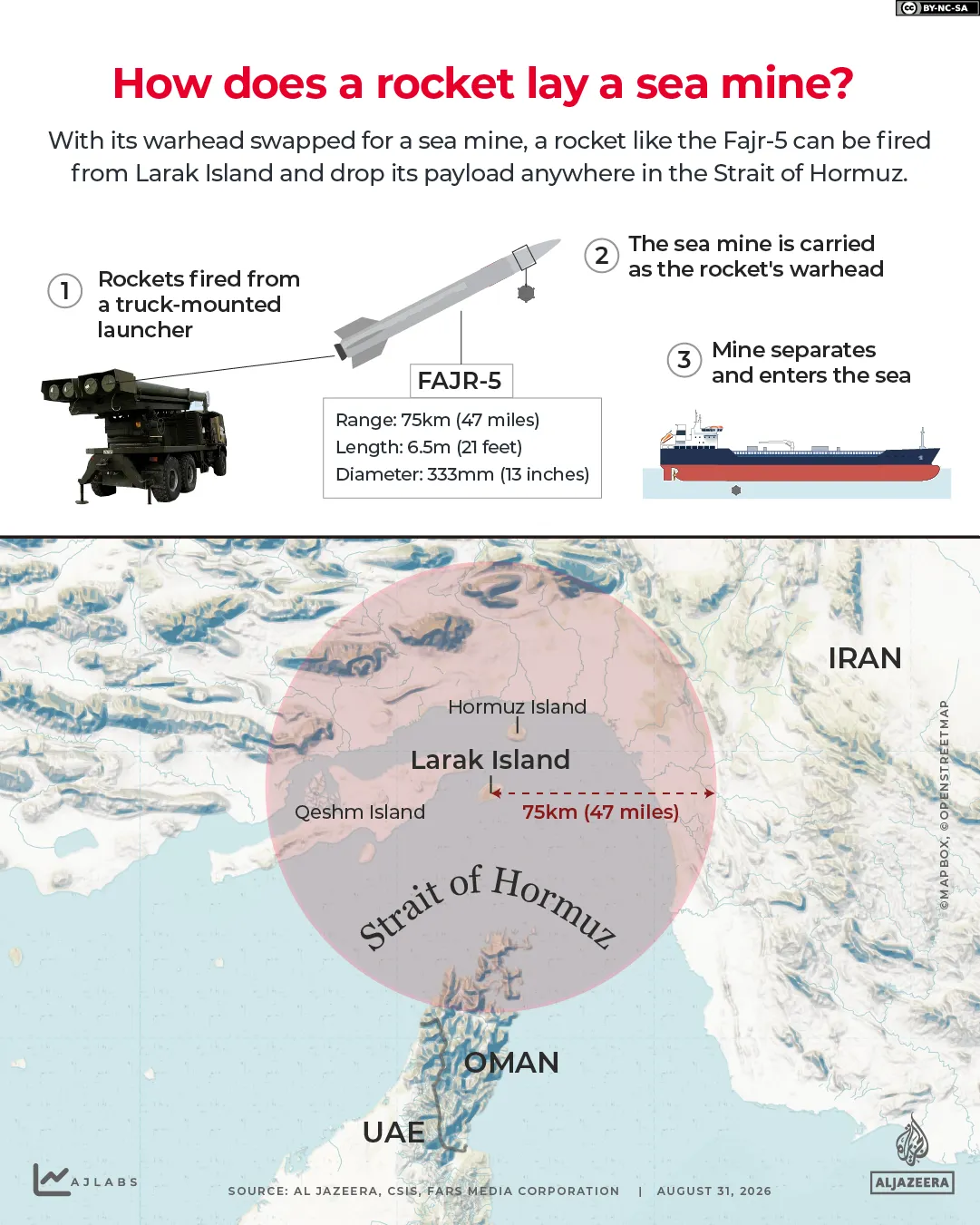
There is also a worrying shortage of weapons in US arsenals stationed in the Middle East. Expensive defensive missiles have been burned through against waves of cheap Iranian drones. For Iran, the war fits an old story of resistance against what its leaders call US and Israeli colonialism. Since February 28, the IRGC has shown how to wage "asymmetric warfare," holding off costly American might with mass-produced drones. Its use of "decentralised structures" keeps it running even when communications break or senior commanders fall, Coningham explained. US strikes have badly hurt Iran's navy and forced a shift toward smaller boats, like the speedboats used in recent attacks through the Strait of Hormuz. Geography works for Tehran there. It can fire at ships from its own coast and drop sea mines into the strait using rockets. These are tactics Washington did not fully expect to face when launching strikes but now must deal with head-on.
A global energy crisis was never on the radar in February, yet it is looming large now. Supply disruptions caused by the war and fear of escalation have sent oil prices soaring. Brent crude sat at $72.48 a barrel on February 27, just before hostilities began. It climbed to $126.41 by April 30, hitting a four-year high. Early Friday trading saw it settle near $114.47. The trouble extends past crude oil alone. Damage to fuel production and sanctions on Russian supplies have tightened diesel markets while global liquefied natural gas flows face constraints too. The International Energy Agency warned in October that these supply issues could linger well into 2027. Diesel prices have doubled in the US, which is a serious headache for Trump since farmers and businesses, key voting blocks for him, depend on it for production and transport. Alternative ports, pipelines, and ship-to-ship transfers helped Gulf producers restore exports, but at higher logistical costs and with ongoing risk of attack. Re-opening these vital waterways has become a primary war objective now.
Photos