Sheriff's Stark Warning After Deadly Encounter: 'We Intentionally Ran Him Over

The sheriff's voice cut through the quiet of the press conference like a blade. Sheriff Mike Boudreaux, known for his no-nonsense demeanor, stood in front of a row of cameras and delivered a statement that left little room for interpretation. "We intentionally ran him over," he said, his words sharp and unflinching. The suspect, David Morales, 59, had been dead for minutes when the sheriff spoke, his body crushed beneath the treads of a BearCat armored vehicle operated by Kern County SWAT. The sheriff's tone was clear: violence against law enforcement would not be tolerated. "Don't shoot at cops. You shoot at cops, we're going to run you over," he said, his voice steady. "He got run over. He got what he deserved."
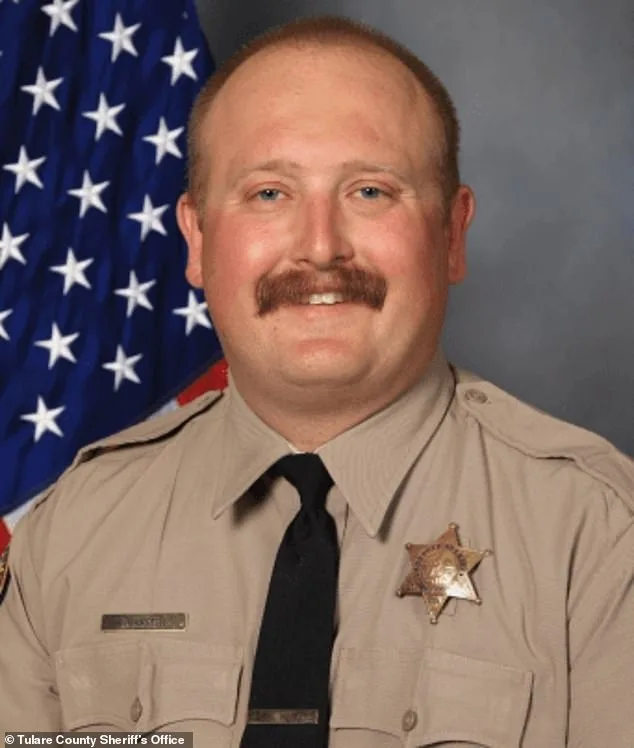
Morales had been hiding in the home he was being evicted from, a residence he had not paid rent for 35 days. The eviction notice had been served that morning, but Morales had been waiting, Boudreaux said, "laying in wait" for officers to arrive. When they did, he opened fire. Footage from the scene showed deputies crouched behind cars, their hands raised as bullets rang out. Some ran for cover. The shooter, unseen in the video, had already become a ghost in the neighborhood. The chaos escalated quickly. Tulare County Detective Randy Hoppert, 35, was among the first responders. He was shot in the head and pronounced dead shortly after. His wife, four months pregnant, stood in the background of the sheriff's remarks, her grief a silent echo in the room.
The standoff that followed was a brutal dance of survival. Morales, clad in camouflage and tactical gear, darted through the yards of neighboring homes, continuing to fire at officers. Deputies scrambled to contain him, deploying tear gas into the residence he had fled to. A California Highway Patrol helicopter, equipped with thermal imaging, joined the effort. Crisis negotiators tried to reason with Morales, while his family pleaded with him to surrender. Residents were ordered to shelter in place, and nearby schools went on lockdown. For hours, the neighborhood held its breath.
Boudreaux's words were unrelenting. "This is senseless," he said, his voice cracking slightly. "We wanted him to come out peacefully, but he pushed back against that." Morales, the sheriff explained, had refused to comply, choosing instead to fight with a rifle. His actions had cost a life. Hoppert, a decorated Navy corpsman and father of two, had recently used his medical training to save a two-year-old girl who had fallen into a pool. His death was a tragedy that rippled through the community.
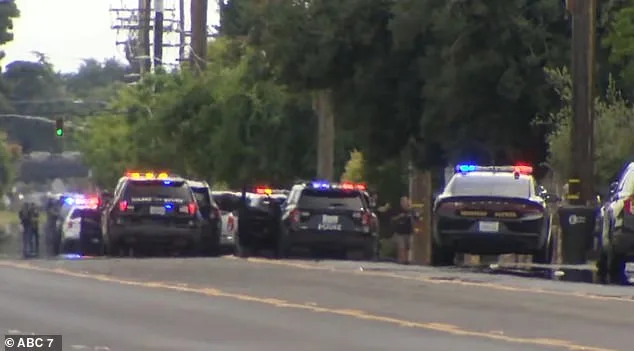
The use of the BearCat armored vehicle, a piece of military-grade technology, sparked immediate debate. Critics argued that such force was disproportionate, while law enforcement defended it as a necessary tool in high-risk situations. The incident raised questions about the balance between public safety and the rights of individuals. Could Morales have been subdued without lethal force? Was the eviction notice, a legal document, a catalyst for violence? The sheriff offered no answers, only a cold reminder: "He created this."
As the dust settled, the story became a cautionary tale about the thin line between justice and retribution. Morales' fate—crushed by a vehicle meant to protect—was a grim reminder of the risks officers face daily. Hoppert's legacy, however, was one of service and sacrifice. His family, left to mourn in silence, became a symbol of the human cost of such encounters. In the end, the sheriff's words lingered: a warning, a verdict, and a call to accountability.
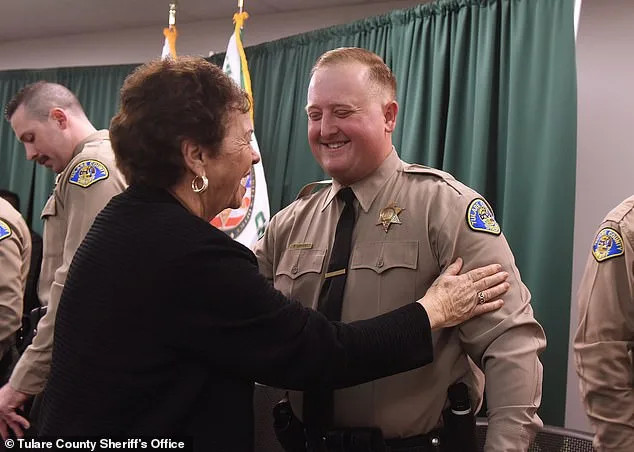
Deputy Jason Hoppert was more than just a law enforcement officer—he was a father, a neighbor, and a hero whose life was cut short in the line of duty. Colleagues and community members remember him as someone who balanced his professional responsibilities with the simple joys of everyday life. "He's a human being who takes his kids to sports, shops at the same shopping centers as you do," said Sheriff James Boudreaux, his voice thick with emotion. "He wasn't just doing a job; he was living a life that mirrored ours."
The tragedy came on a day that should have been routine. Hoppert, a decorated veteran with years of experience in the Navy, was responding to a call when a two-year-old girl suddenly became unresponsive after falling from a height. Drawing on his military training, Hoppert acted swiftly, performing CPR until paramedics arrived. The child was rushed to Valley Children's Hospital and made a full recovery—a testament to his quick thinking and skill. Yet, just days later, Hoppert's own life was taken in an ambush that left the community reeling.
"Deputy Hoppert's legacy will endure," said California Governor Gavin Newsom, who ordered flags across the state to be flown at half-mast. "His sacrifice will always be remembered." For many, the governor's words echo a painful truth: officers like Hoppert face risks that few can imagine. "This is a dangerous job," Boudreaux said, his voice trembling. "Each and every day, families know that the officer may not come home." How does someone prepare for the possibility of losing a loved one while trying to protect others?
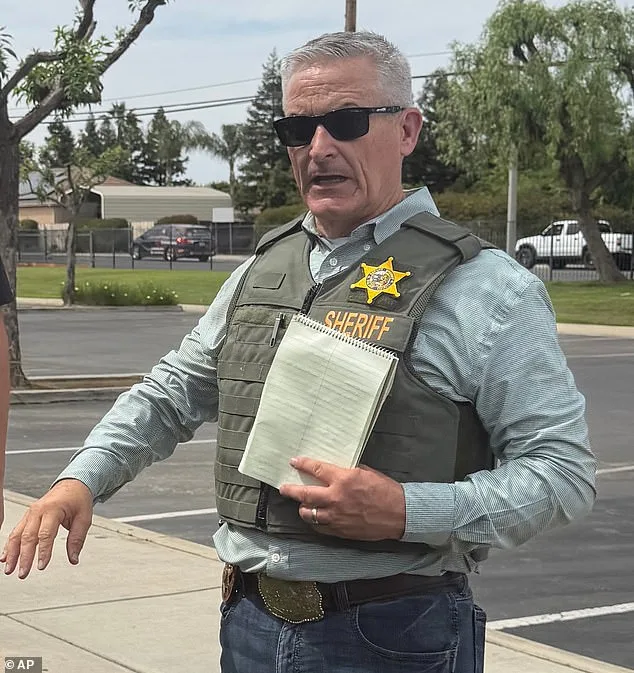
Hoppert's death has sparked conversations about the mental and emotional toll on first responders. His colleagues speak of his unwavering dedication, but also the invisible scars left by years of exposure to trauma. "He was out there doing a job: To try and make our community safe," Boudreaux said. "And that's what happened today." The sheriff's words linger, a reminder that behind every badge is a person who chooses to stand between danger and the public, even when the odds are stacked against them.
For the families of officers, the weight of loss is compounded by the knowledge that their loved ones gave their lives for others. How do communities support those who serve, knowing that their sacrifices may never be fully acknowledged? As flags flutter at half-mast and tributes pour in, one question remains: What steps can be taken to honor Hoppert's memory while ensuring that others don't face the same fate?
Photos