Shark Attack Survivor Credits EMDR Therapy for Overcoming Trauma
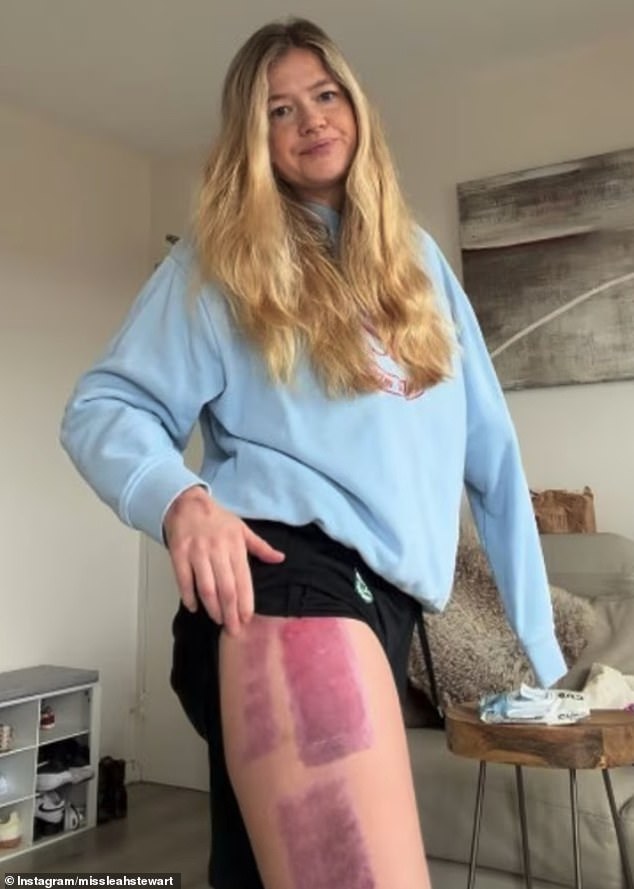
Leah Stewart, 35, has broken her silence on the specific therapy that pulled her back from the brink. On Thursday, she posted a raw video explaining how eye movement desensitisation and reprocessing (EMDR) dismantled the worst of her post-traumatic stress. It is a method that saved her mind after a great white shark mauled her at Sydney's Coogee Beach on June 13.
The attack was brutal. Swimming between the flags, Stewart was struck by a suspected great white. She lay in a coma for two weeks. Doctors performed multiple surgeries, including the amputation of one arm below the elbow. A skin graft on her leg failed. The physical scars are stark. The mental ones were deeper.
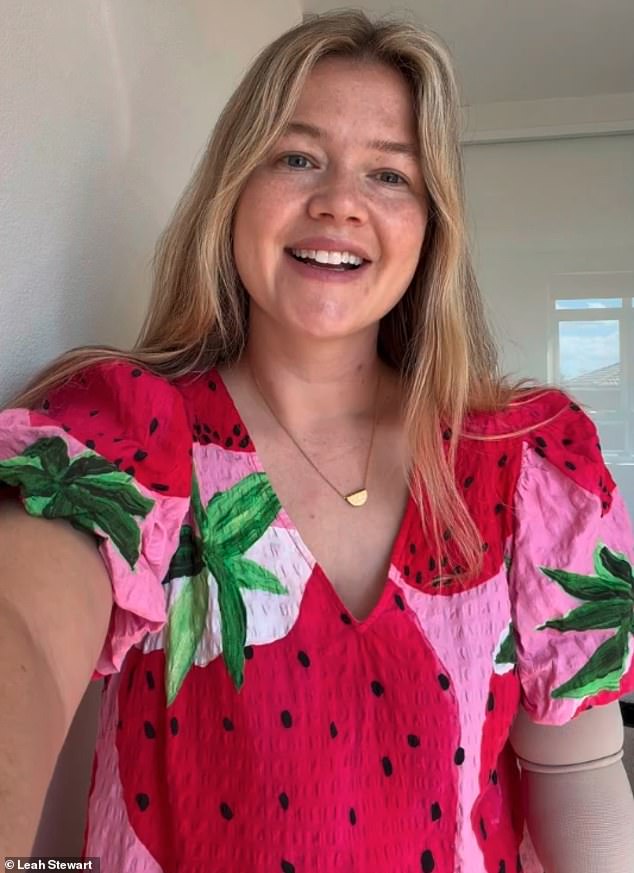
Stewart described months of waking up in sweats, trapped in a loop where the shark attack replayed 24 hours a day. "I couldn't sleep at night," she recalled. "I was having nightmares and I was waking up in sweats every single day." The fear response hit an eight-out-of-ten intensity. She felt like she was back in the water. Constantly.
Then came EMDR. This first-choice treatment for PTSD uses bilateral stimulation to help the brain re-categorize traumatic incidents. It shifts them from immediate danger to long-term memory. Patients recall the trauma while performing specific eye movements. Many track a therapist's hand moving across their field of vision. It sounds simple. It works.
Prince Harry brought the therapy into the global spotlight when he demonstrated it on camera in the docuseries *The Me You Can't See*. That exposure changed everything. The EMDR Association of Australia noted that EMDR spread through the country faster than anywhere else in the world. The practice was officially added to Medicare's list of approved Focused Psychological Strategies in May 2020.
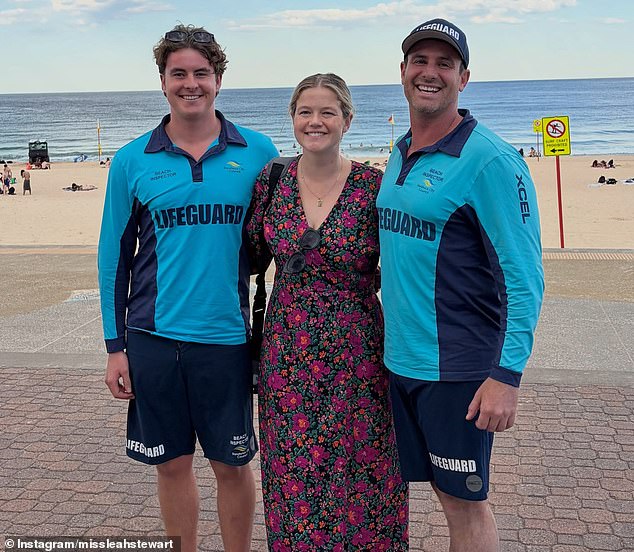
Stewart is now a vocal advocate. She urges other Australians with PTSD to consider this option. "If you had told me that by November I would be handling it mentally, I would not have believed you," she said. The difference is night and day. "Now, I can think back on it and it just feels like something that's happened," she explained. "I can recall it but my body doesn't feel it like I felt when I was in the water."
Her story highlights a critical gap in trauma care. For many, the battle does not end when the surgeries are done. The mind keeps fighting the ghost of the event. EMDR offers a way out. It is not just a clinical procedure; it is a lifeline. Stewart’s experience proves that even after the most horrific loss, the mind can be rewired. The body can stop screaming. Peace is possible.
Photos