Seattle man charged in UW student killing deemed unfit for trial

A Seattle resident charged with the brutal killing of a transgender University of Washington student has been declared unfit to face the courtroom. Christopher Leahy, 31, is accused of stabbing Juniper Blessing, 19, more than 40 times in a laundry room within a student housing complex in May. Leahy has not yet entered a plea, and his initial court appearance has been postponed multiple times to allow for necessary psychiatric assessments.
According to King County Superior Court Judge Joe Campagna, the evaluations determined that Leahy lacks the capacity to stand trial. As reported by The Seattle Times, being found incompetent means a defendant cannot comprehend the legal proceedings occurring before them or assist their lawyer in building a defense. When a person is deemed incompetent, the state is mandated to provide short-term treatment aimed at restoring competency, a process that typically involves psychiatric medication and legal education.
The long-term implications of this ruling are significant. Should the defendant remain permanently incompetent, the criminal charges would be dismissed, and he could be transferred to a civil mental health facility. Conversely, if treatment successfully restores his ability to participate in his own defense, he could be returned to custody to proceed with the criminal case. At his Monday arraignment, which took place via Zoom, Leahy was informed that his psychiatric findings legally bar him from owning a firearm.
The violence behind these legal developments was captured on harrowing surveillance video. The footage reveals an unsuspecting teenager doing her laundry, completely unaware that a stranger had just entered the room with lethal intent. Juniper Blessing, who was wearing distinctive rainbow-soled sneakers, was gruesomely stabbed to death before the violence escalated. Another student discovered the bloody scene approximately ten minutes later and called 911. Prosecutors have shared video that cuts off just before the attack begins, leaving many questions about the moments leading up to the tragedy unanswered.

This case underscores the limited and privileged access the public often has to critical information. While the surveillance video provides a glimpse into the horror, the full narrative remains restricted to legal channels, highlighting how justice system procedures can shape public understanding. The community faces the difficult reality of balancing the need for mental health treatment with the safety of students, especially transgender individuals who may already face heightened vulnerability. The delay in justice, caused by the requirement for psychiatric restoration, reflects the complex intersection of legal accountability and mental health care, leaving families and advocates to wait for closure while the defendant undergoes evaluation.
Investigators report that Leahy killed Blessing while she cleaned the washing machine's lint filter.
The assault appeared random at first, yet prosecutors argue the act was carefully planned.
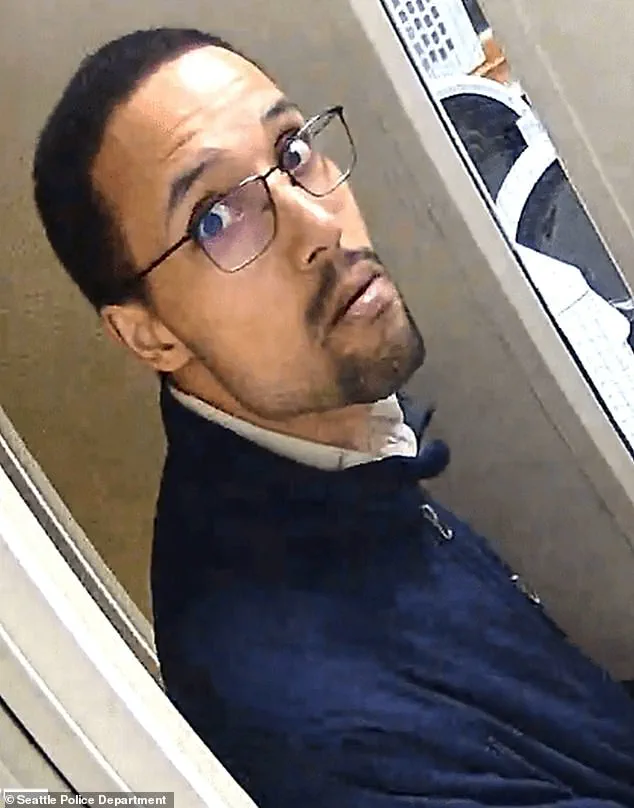
Leahy allegedly targeted a specific woman on the night of the tragedy.
Before the killing, he surveyed the laundry area and chose Blessing as his victim.
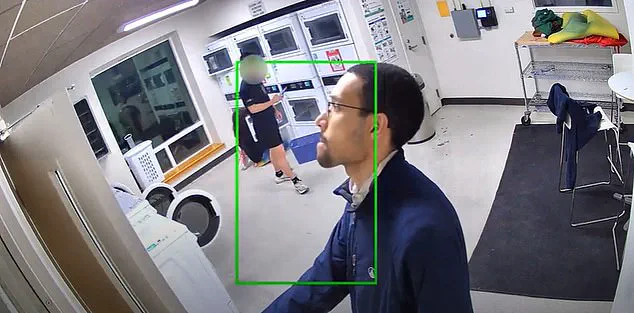
At 9:45 p.m. on May 10, he trailed another young woman into the room.
He departed just one minute later, only to return at 10:00 p.m.

Blessing and a fellow student were present when he re-entered the space.
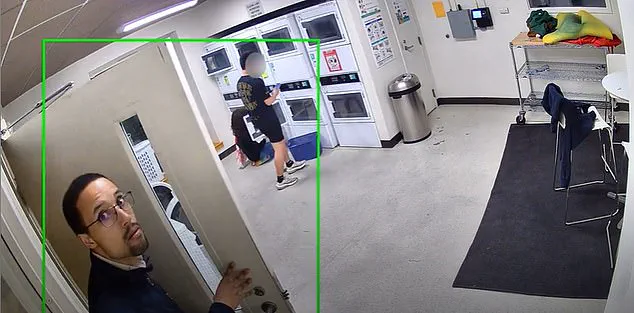
The suspect reportedly inspected the security camera and its wiring while Blessing sat near a dryer.
Court documents obtained by KOMO state he unplugged the camera before launching the attack.
Prosecutors insist the murder was premeditated, with a clear intent to kill a female student.

Leahy surrendered to authorities several days later after surveillance images sparked an urgent manhunt.
He now faces first-degree murder charges and holds $10 million bail at the King County Jail.
Leahy attended University Prep, an elite Seattle private school with annual tuition of $25,000.
An anonymous former classmate described him as once popular among his peers.
However, the same source noted a drastic personality change occurred during his tenth grade year.
A peer recalled a moment when his social engagement faded and he withdrew from the group.
"He went from hanging out with us to sitting by himself reading books," the classmate said.
Leahy became erratic, and in one strange incident, he spoke to students about drawing nonsensical boxes.
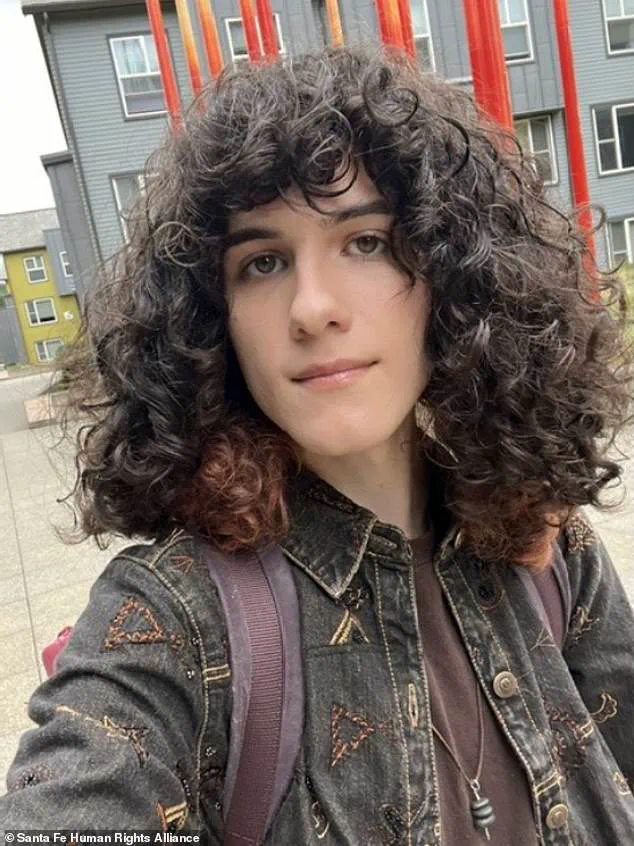
Blessing's family stated the transgender student lived courageously until their life ended tragically.
Her family called Juniper the most amazing human being they have ever known.
They described her as highly intelligent, extremely talented, and deeply sensitive to others' needs.
This case highlights how limited access to information can obscure the truth about a suspect's motives.
Privileged backgrounds do not prevent individuals from committing heinous acts against vulnerable communities.
The risk to transgender youth and other marginalized groups remains a serious concern for public safety.
Photos