SCOTUS Clears Path for Tennessee's First Female Execution in Two Centuries
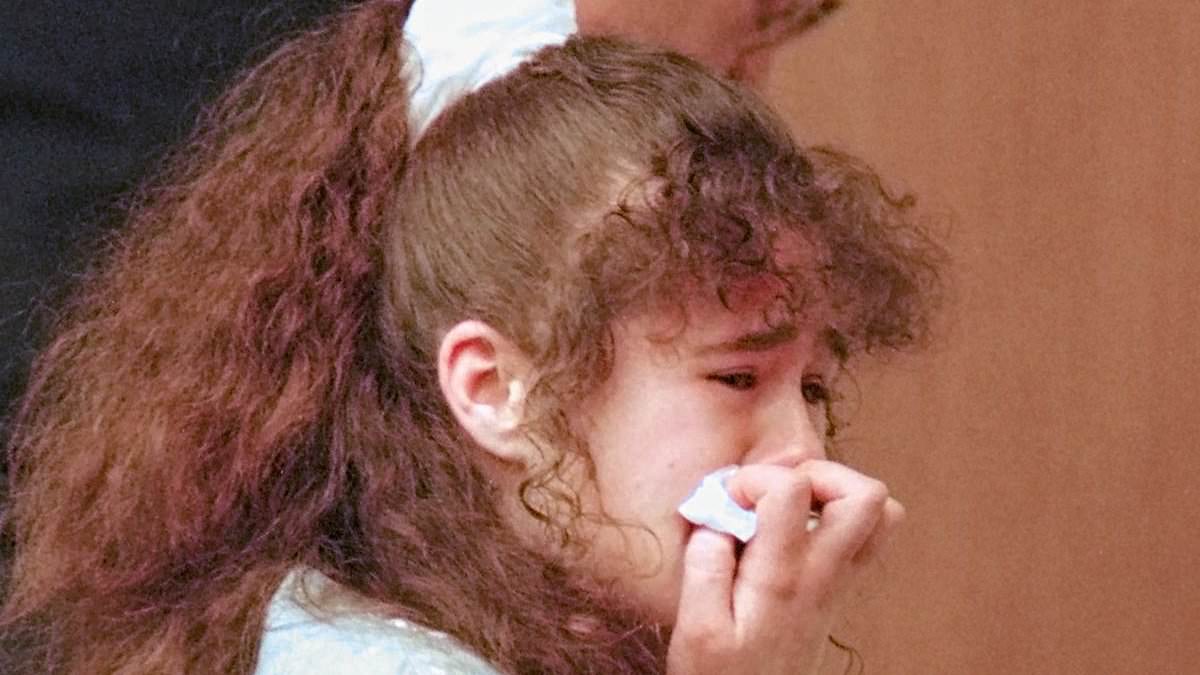
The United States Supreme Court has removed a final barrier standing between Christa Pike and her execution, paving the way for Tennessee to carry out its first female lethal injection in two centuries. This legal victory comes after federal judges paused the scheduled death sentence just hours before it was set to occur on Wednesday morning. The stay had been issued by the Sixth Circuit Court of Appeals following a request from defense attorneys who argued that prosecutors ignored Pike's history of childhood sexual abuse during her original sentencing. Stephen Ferrell, representing Pike through Federal Defenders Services of Eastern Tennessee, stated at the time that serious concerns warranted the halt to her impending death.
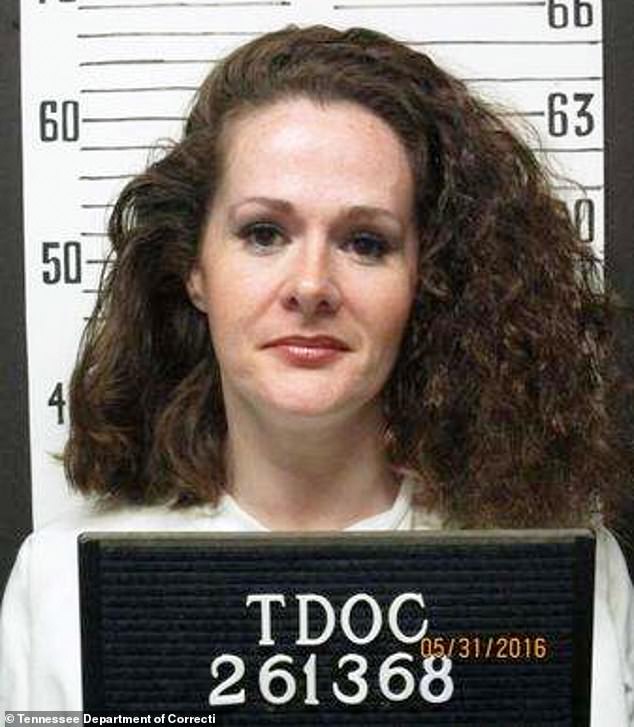
Tennessee Attorney General officials quickly moved to overturn this pause, labeling the lower court's intervention a technical issue rather than a substantive legal error. The Supreme Court agreed with the state and issued its brief order just before 6pm Wednesday, allowing the execution to proceed as planned for 10am Thursday. Justices Sonia Sotomayor, Elena Kagan, and Ketanji Brown Jackson filed a dissenting opinion, but the majority provided no explanation for siding with prosecutors in this narrow ruling. Pike will now face lethal injection at 50 years old for the brutal 1995 murder of Colleen Slemmer.
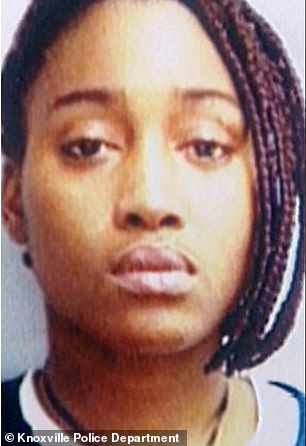
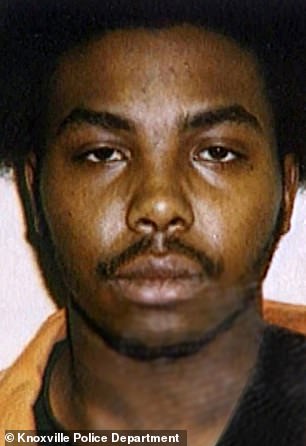
The crime remains one of the most harrowing cases in recent Tennessee history. An eighteen-year-old Pike and her boyfriend Tadaryl Shipp lured nineteen-year-old Job Corps student Slemmer into a wooded area near Knoxville. They tortured the victim for approximately thirty minutes to an hour before killing her, according to Pike's own estimates during trial. Investigators discovered that Shipp and his friend Shadolla Peterson carved a pentagram into Slemmer's chest and that Peterson witnessed Pike carving another symbol into the teen's head. Pike kept a piece of the skull as a souvenir, while Peterson testified he acted only as a lookout before receiving probation for his cooperation with police.

Pike pleaded guilty to first-degree murder alongside Shipp in March 1996. She received the death penalty, whereas her boyfriend got life in prison without parole eligibility. Her legal team recently requested an all-female firing squad, citing past trauma and her Buddhist faith as reasons why lethal injection felt wrong to her. Earlier this month she also asked for a reprieve based on those same beliefs. Just hours before the execution date arrived, Pike refused the standard twenty-dollar last meal fund provided by the Tennessee Department of Correction. The state now moves forward with administering the sentence that has waited decades in the shadow of legal delays and public scrutiny.
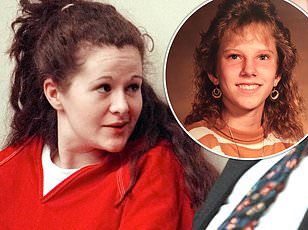
Governor Bill Lee denied clemency to Christa Pike, and the US Supreme Court refused an order to stop her execution. The state still planned to provide her a meal before she faced death. Her lawyers expressed deep sorrow over the governor's decision. They told Fox 17 that moving ahead puts Tennessee on singular footing for this rare event.
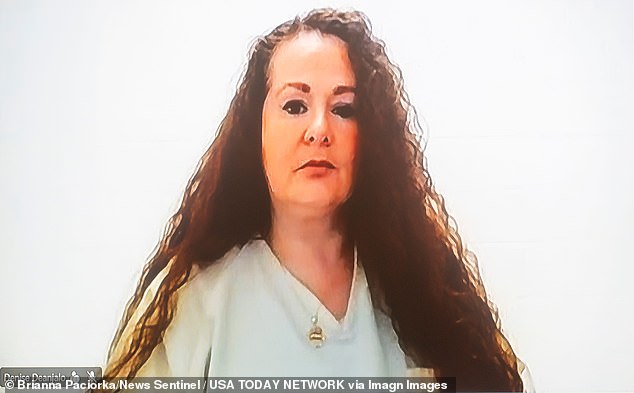
Christa will be the first person executed in modern times who was a teenager when the crime happened. She is also the first woman to face the state's lethal chamber in more than two centuries. Lawyers claimed her trauma runs deep due to past sexual abuse. They argued that men handling her restraint could cause severe retraumatization. Ferrell warned that male-administered injections raise Eighth Amendment violation risks. There is a real increased chance of pain and suffering during the procedure.
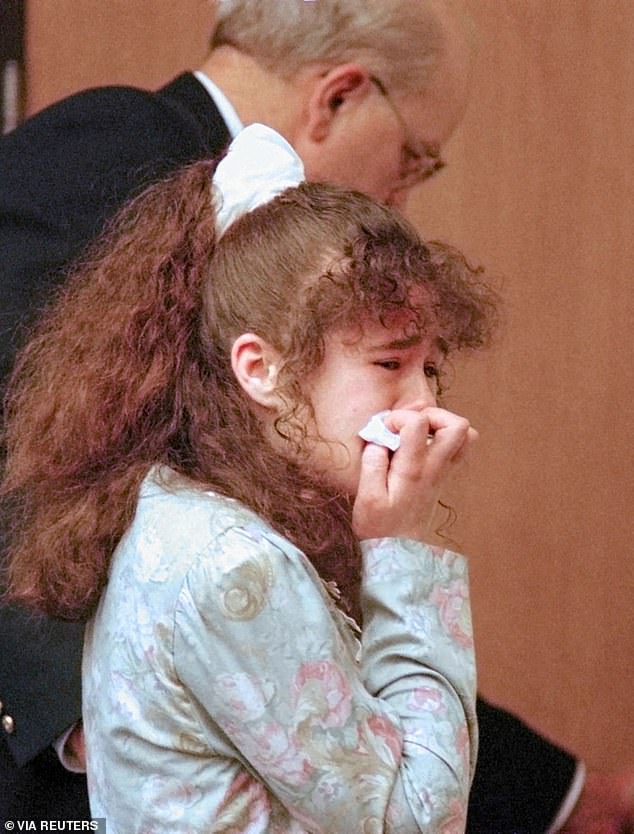
Records from the Cornell Center on the Death Penalty Worldwide show she suffered as a child victim. She endured sexual abuse, multiple rapes, and attempted suicide at age twelve. At seventeen, a stranger allegedly grabbed her by the roadside and raped her. Police never arrested anyone for that attack. She killed Colleen Slemmer almost exactly one year later.
Colleen's mother, May Martinez, wanted to watch the execution from the front row. She told the Daily Mail she planned to sit there at the Riverbend Maximum Security Institution. Witnesses gathered outside when the halt order arrived. Travel costs were high for her, but a GoFundMe campaign raised enough money. The fundraiser noted how many people stepped up to donate and share prayers. Martinez could not believe the outpouring of care from strangers who helped make it possible.
Photos