Scientists Link Chronic Fatigue Syndrome To Genetic Switch In DNA
It has been over three decades since the medical community officially recognized myalgic encephalomyelitis or chronic fatigue syndrome. This condition brings on exhaustion that feels like a weight, clouds the mind, ruins sleep, causes dizziness, and leaves pain in its wake. More than 400,000 people in the UK live with it today.
Despite this scale, the debate rages on. Some claim it lives only in the mind, while others insist it is a physical reality. Back in the 1980s, doctors even called it 'yuppie flu,' mocking how it seemed to target young professionals. That doubt often stems from symptoms that feel vague and non-specific.
Now, scientists at the University of East Anglia say they have found something much harder for skeptics to ignore. They point to genetic traits as the root cause. This is not just psychological; it is physiological. The discovery suggests a specific 'switch' in our DNA triggers severe fatigue. What's more, this same mechanism appears in long Covid, which hits between 1.8 and two million people, multiple sclerosis, rheumatoid arthritis, and post-traumatic stress disorder. Put those together, and you are looking at roughly 5.7 million Britons who might benefit from a single therapy developed based on these findings.
The team published their work in the Journal of Translational Medicine earlier this month. Professor Dmitry Pshezhetskiy, who leads research into ME/CFS, explained to Good Health that patients across all five diseases report nearly identical struggles. They talk about overwhelming tiredness, brain fog, poor focus, disturbed sleep, and a sharp drop in daily function.
He and his colleagues found similar epigenetic changes among these groups. Epigenetics deals with how environment, like stress or diet, can flip genes on or off, changing how our body systems work. While different genes are involved in each specific disease, the result is the same: an epigenetic switch that trips up energy production. This leads to chronic exhaustion. Professor Pshezhetskiy added that these changes also mess with metabolism, infection response, and stress reactions.
'One of the most significant aspects of this discovery is that it provides objective, blood-based biological proof of disease,' he stated. Other recent work supports this view. An Australian study last year linked ME/CFS to simultaneous disruptions in energy generation and immune regulation, according to the journal Cell. Another line of research suggests the immune system sometimes over-reacts, treating normal stress like a serious infection and flooding the body with exhausting, flu-like symptoms.
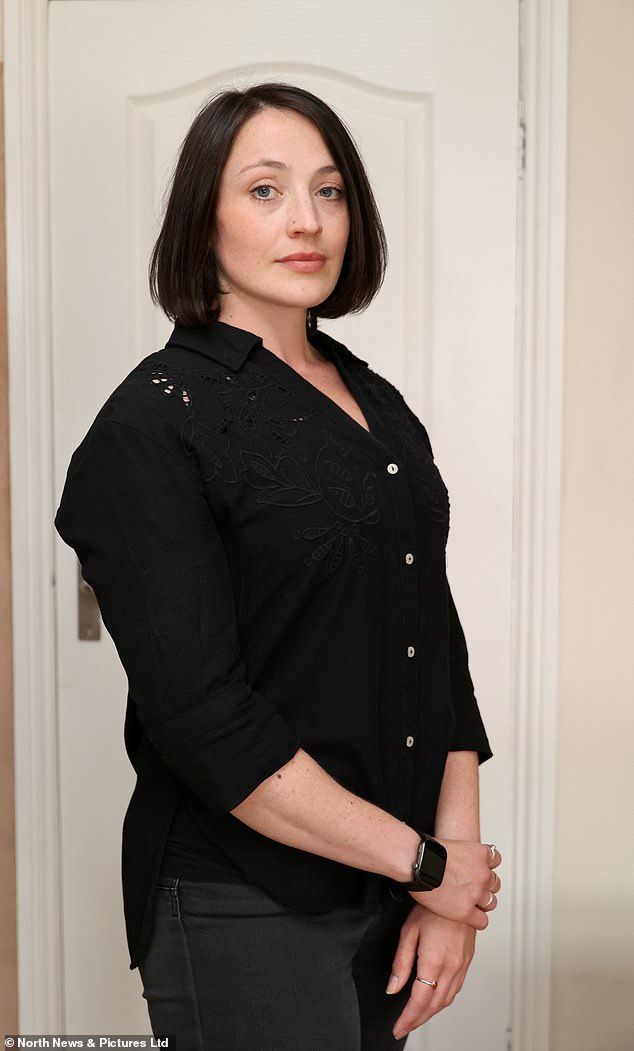
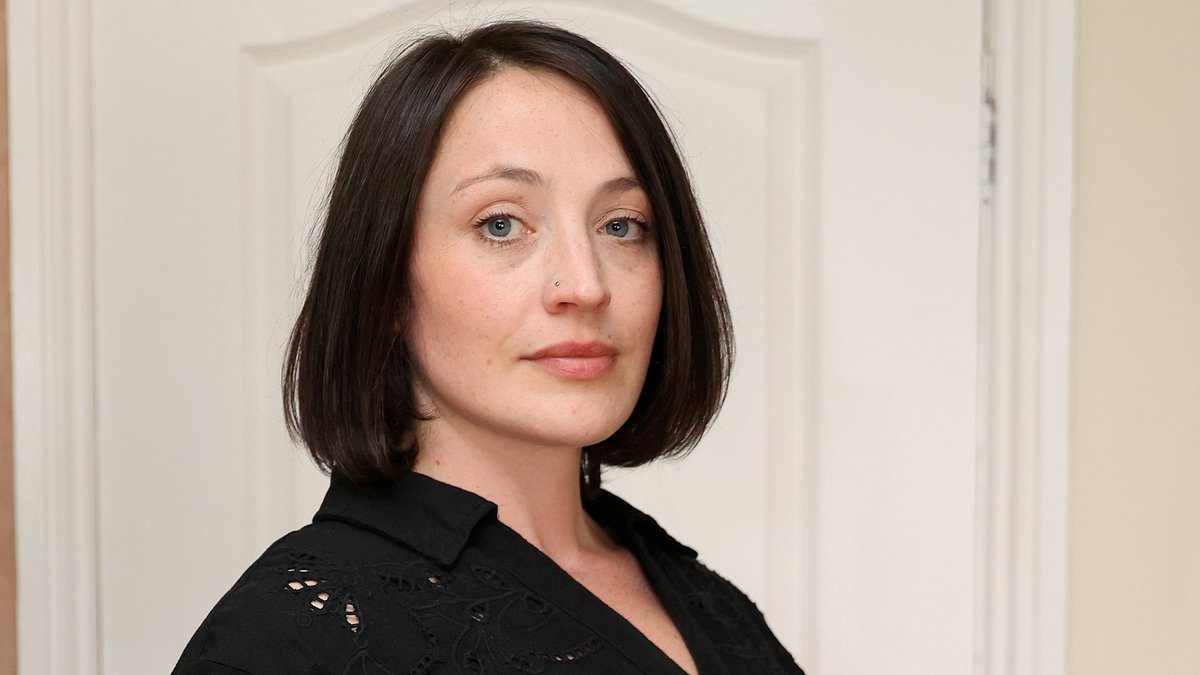
For patients like Emma Slack from Newcastle, this genetic evidence offers hope. She is a mother of one who spent years facing prejudice and disbelief before getting her diagnosis. At 35, she endured doctors blaming anxiety and sending her for counselling while her debilitating tiredness went untreated. Now, knowing there is a distinct physical cause helps dismiss the scepticism that has haunted sufferers for so long. It shifts the conversation from mind games to biology, finally giving patients like Emma a clear explanation for their misery.
Emma says others have implied she is lazy and ought to start running. Previously doctors told ME/CFS patients to exercise regardless of how they felt after doing it. But in 2021 the National Institute for Health and Care Excellence did a U-turn on this advice.
Her symptoms emerged in 2008 when she was just 17 years old. I became unwell with a viral illness that was suspected to be glandular fever, Emma says. She felt fluey with muscle aches and was so nauseous that she could not eat. Fainting attacks followed immediately.
Before contracting her viral illness Emma had been very active as a keen dancer and runner. There are still times when she needs help just to get up the stairs. Often a flare-up means she is in bed for a day or two. Her brain function goes and she cannot even answer simple questions. She never recovered her energy levels and has since suffered with ongoing symptoms of fatigue, brain fog and sleep problems. These worsen if she does too much.
Over the years her symptoms fluctuated. Although Emma was able to study eventually getting a PhD in epidemiology her illness meant she frequently had to go part-time and work from home. For years I did not know what was wrong with me, she recalls. While on work placements for my degree I started to suffer badly. She went to the doctors and was misdiagnosed as having anxiety.
Emma consulted a counsellor who told her that the symptoms were just down to her inner child being stubborn. They said she needed to tell them that she was OK. She was told to push herself harder but it just made her symptoms so much worse. Then she was finally referred to a specialist and in 2017 was diagnosed with ME/CFS. It was a huge relief to have a diagnosis that finally made sense, she says. However this brought the realisation that there was nothing anyone in medicine could really do for me. There was no treatment offered only advice on managing her condition by pacing herself.
Meanwhile the medical scepticism she experienced continued. Emma recalls how in 2022 when she was pregnant her first obstetrician simply did not want to engage with her ME/CFS. He refused to consider how it might affect the pregnancy. She had to find another doctor who thankfully really listened and took it on board. During my pregnancy my symptoms got worse and they continued to worsen afterwards when I was breastfeeding. That is not necessarily typical, says Emma now a research engagement officer with the charity ME Research UK. The limited available research suggests some women's symptoms get worse in pregnancy while others see no change or feel better.
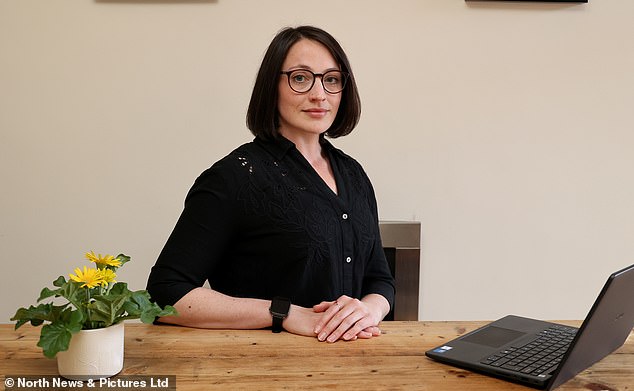
She adds that thankfully her health has stabilised over the past four years. But there are still times when she needs help just to get up the stairs. Often a flare-up means she is in bed for a day or two. Her brain function goes and she cannot even answer simple questions. The delay in diagnosis is far from uncommon says Professor Pshezhetskiy. His hope now is that the findings will pave the way to a blood test that can rapidly diagnose patients with chronic fatigue conditions. This would lead to individually targeted epigenetic drugs to help the cell reprogramme its signalling to a healthy state.
This would avoid patients suffering from years of medical gaslighting and misdiagnosis he told Good Health. However other scientists are urging caution about the latest findings. Charles Shepherd is a medical doctor and honorary medical adviser to the UK charity the ME Association. The association's official response is that more research is required. The conclusions that Professor Pshezhetskiy and his colleagues are making here are still quite speculative and unproven.
Dr Shepherd told Good Health that another problem exists regarding these areas with underlying pathology. He asks how we fix them. How do we repair dysfunctional immune systems and improve cells' energy production?
We simply do not have the answers yet. Science is stuck waiting for a breakthrough that isn't here today. Carmine Pariante, a professor of biological psychiatry at King's College London, put it bluntly: until we fully understand the mechanisms underlying CFS, we will just be tackling symptoms. That means people are treated as if their pain is an illusion because the science hasn't caught up.
But there is a glimmer of hope in the darkness. It helps immensely that there is growing recognition that chronic fatigue syndromes are real. No one can dismiss the struggle anymore, even if the biological map remains blank. Pariante warned the research 'does not identify novel mechanisms or concepts'. That sounds cold, doesn't it? Like a verdict on progress.
Yet he adds: 'The confirmatory evidence in this paper will be helpful for researchers in the field as well as people who live with these disorders.' Those words matter more than you think. For patients trapped in endless cycles of exhaustion and disbelief, seeing their condition validated by data is a lifeline. It shifts the conversation from doubt to support. Researchers get better tools to build upon; patients finally feel seen.
Photos