Scientists Discover Rare Earthworm Eel in India-Nepal Border
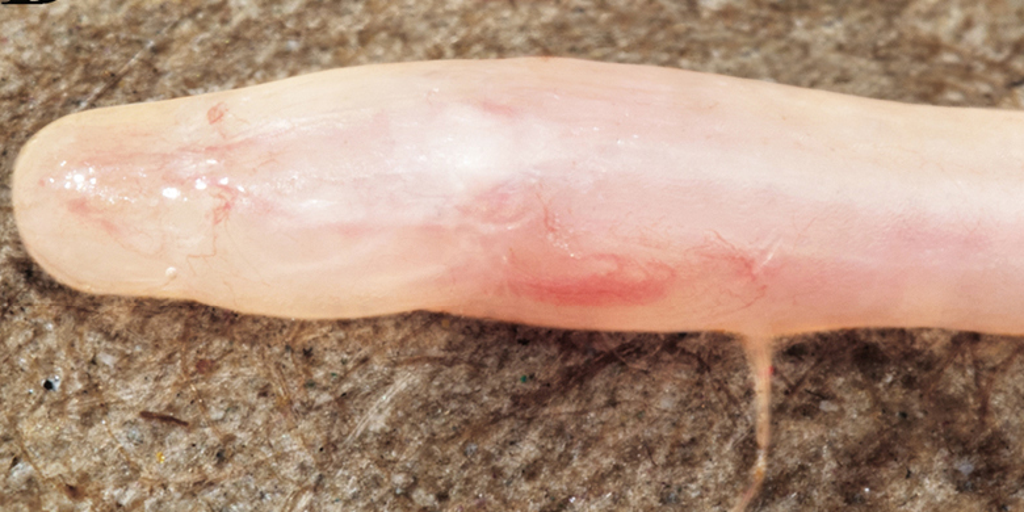
A TikTok video led scientists straight to a strange new species of earthworm eel hiding in India. Researchers pumped water into the holes where it lived to help the creature emerge. They successfully recovered one whole live specimen and two damaged ones for further testing.
The discovery happened after experts stumbled upon footage from 2024 at the India-Nepal border. The video showed the tiny animal slithering into a machine-drilled hole in the ground. Officials warn that invasive Asian jumping worms might be found in these states, but this find is different. It belongs to the Chaudhuriidae family and acts like a freshwater fish.
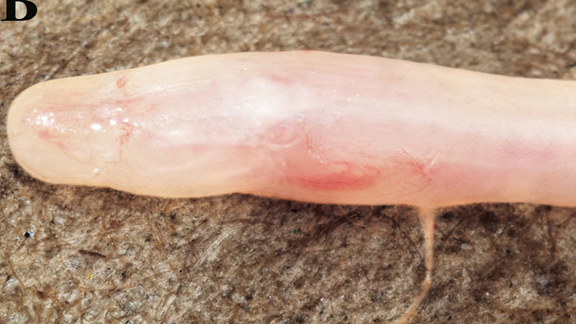
Earthworm eels usually hang out in aquatic vegetation, debris, and mud within streams, swamps, ponds, lakes, and rivers. A study from ZooKeys supports this habitat description. The new creature was identified as Gangaichthys Indonepalicus. It measures about 4 centimeters long and has no body pigmentation. Its eyes are very small and covered by skin, while it lacks ribs entirely.
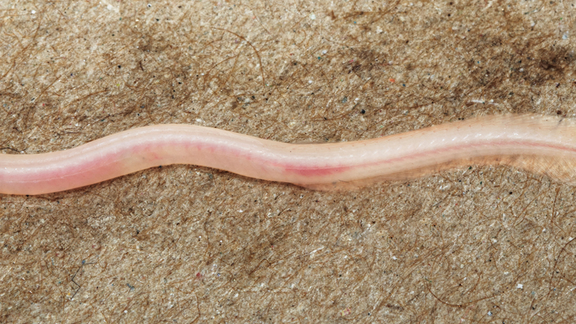
Through detailed testing, researchers found a unique set of osteological characteristics. The animal has 64 vertebrae, 37 dorsal-fin rays, 35 anal-fin rays, six tail-fin rays, and only one pectoral-fin ray. It also possesses neural spines. These traits likely result from convergent evolution driven by long-term life in dark, resource-poor habitats.
This is the first stygobitic Chaudhuriidae ever found. Stygobitic animals live exclusively underground and underwater. The translucent appearance of this specific eel allows experts to distinguish it clearly from others. Finding such a creature raises questions about how communities manage local ecosystems when new biology surfaces unexpectedly.
Photos