Saudi Royalty Poached OpenAI Engineer Before Federal Arrest
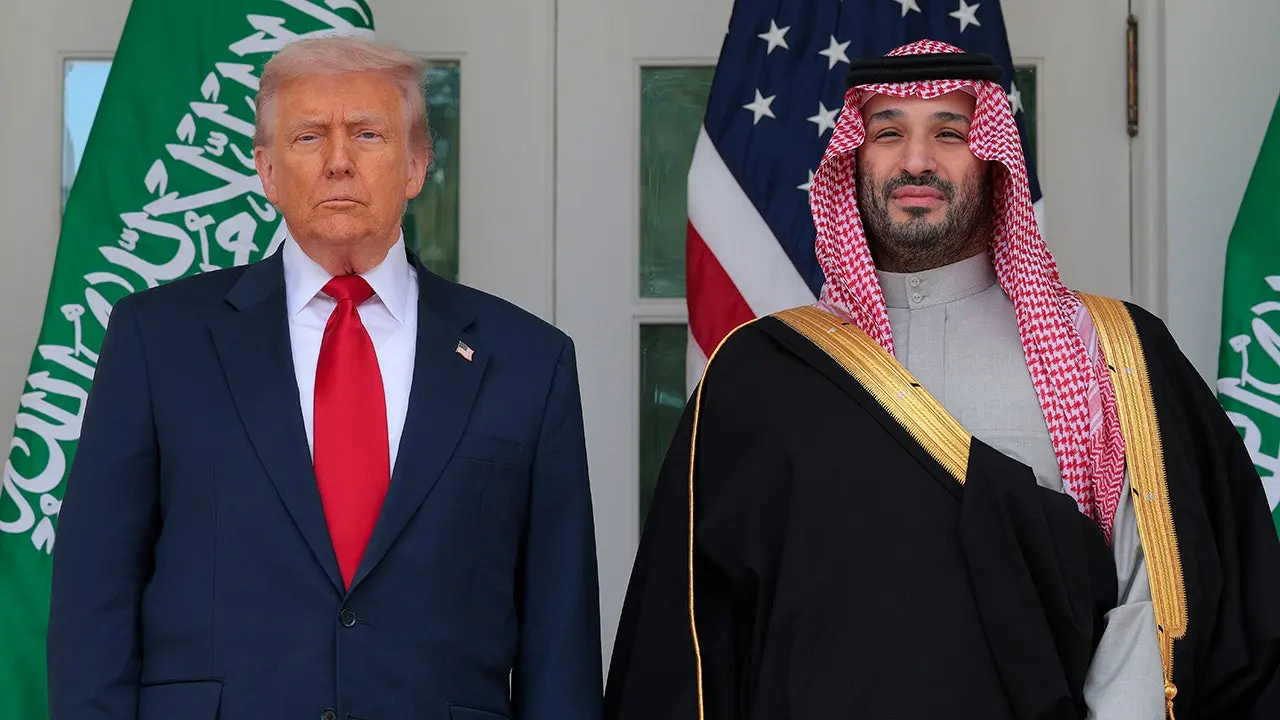
Federal prosecutors are painting a grim picture of Abdulrahman Alfozan, the former OpenAI engineer now facing arrest for allegedly installing secret listening devices inside the tech giant's offices. The investigation zeroes in on whether this surveillance was meant to serve a foreign government. According to documents filed Sunday, Saudi royalty were keeping lines open with Alfozan while he hunted through company records tied to the Kingdom right up until his takedown.
The urgency of the situation is clear. Prosecutors noted that shortly after nabbing him, officials from the Saudi government stepped in to book international travel for Alfozan's wife and their three-month-old son. This move sparked immediate alarms about what might happen if he were released back into society, specifically regarding his potential access to foreign aid. The filing stops short of claiming Saudi Arabia ordered the spying but confirms a member of the royal family was actively trying to poach him for a local AI project.
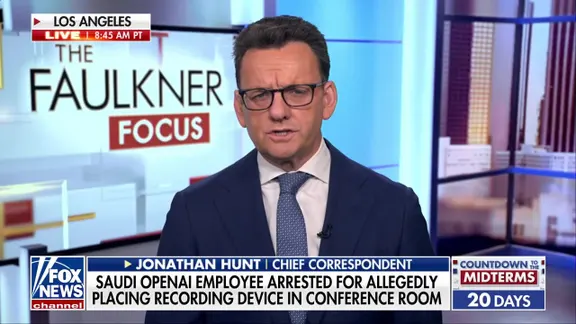
The details are disturbing and specific. Alfozan reportedly spent weeks figuring out how to build an encrypted recorder that could listen in real time. He then used internal tools to map out which conference rooms housed executives and outside partners. In late September, he hid a custom audio device behind a TV in a room where leadership held technical discussions and briefed government officials. Those conversations often touched on proprietary research, strategic plans, and commercial deals, stuff that could hurt national security if leaked.
This wasn't an isolated incident involving just one gadget. Security teams found a second recorder inside a bag Alfozan abandoned in a printer room. A search of his home and digital devices turned up more parts and photos showing he had scouted other sensitive spots within the building, including another conference room used for high-stakes talks.
His focus on Saudi ties was evident in his digital footprint. On Oct. 4, 2026, Alfozan accessed a folder labeled "Saudi Gov Docs." He also dug into records regarding the Ministry of Communications and Information Technology. His searches listed planned visits to the Kingdom, an upcoming trip by that ministry, and a specific meeting tagged "HUMAIN x MCIT @OpenAI."
Communication with the royal family remained frequent, even four days before his arrest. One message from a Saudi official in May read: "Saudi needs you more then [sic] the US!" Alfozan replied "100," a gesture prosecutors say signaled full agreement. The royal kept asking when he planned to quit OpenAI for the new job. Alfozan's answer was simple and stubborn: he wouldn't leave until his stock vested.

The probe is far from over. Prosecutors warned that the case could lead to even more serious charges as investigators piece together whether Alfozan aimed to record meetings for personal gain, help a foreign power, or both.
Google engineer Alfozan allegedly stole AI secrets for China, according to explosive testimony delivered before the Senate. The Saudi ties have now become central to the prosecution's case, painting a picture of a man who is a significant flight risk. At the moment of his arrest on Oct. 9, 2026, he held one-way tickets from San Francisco to Riyadh scheduled for Oct. 12, 2026. He was also set to start two months of parental leave at OpenAI. Prosecutors claim he was simultaneously pursuing other opportunities in Saudi Arabia, including an application to the Mohammed bin Salman Foundation's "2030 Leaders" program.
The travel arrangements tell a stark story about potential foreign aid if he walked free. The accused's wife and infant son initially had one-way flights booked and paid for by the Saudi government. Then, a Saudi military official bought business-class tickets for both of them to fly to Qatar. They left San Francisco roughly 36 hours after Alfozan was taken into custody. Prosecutors cite this logistical support as proof that he could receive substantial assistance from the Saudi state. Fox News Digital has reached out to the Saudi Embassy, OpenAI, and Alfozan's attorney for comment.

This is not an isolated incident involving foreign coordination. The government highlighted a previous federal case where prosecutors alleged a former Twitter employee received similar help leaving the United States after being confronted over his access to internal user data. After Twitter confronted employee Ali Alzabarah in 2015, calls were exchanged with a Saudi foreign official and the consul general in Los Angeles to arrange his flight home the next day. Alzabarah later went to work for the Misk Foundation, according to the legal filing. Charges against him remain pending.
Alfozan is similar in that he had access to considerable support from a foreign government with no extradition treaty with the United States and the resources to provide extraordinary travel assistance. He was earning $385,000 annually at OpenAI and received a $2.2 million equity grant before being fired following his arrest. As a legal permanent resident, he faces charges for using or attempting to use a device to intercept oral communications. Prosecutors are asking a federal judge to keep him behind bars pending trial, arguing that releasing him would be dangerous for the community. Why would anyone trust this system if high-paid insiders can simply buy their way out?
Photos