Sarah Drew Credits Faith For 24-Year Marriage To Peter Lanfer

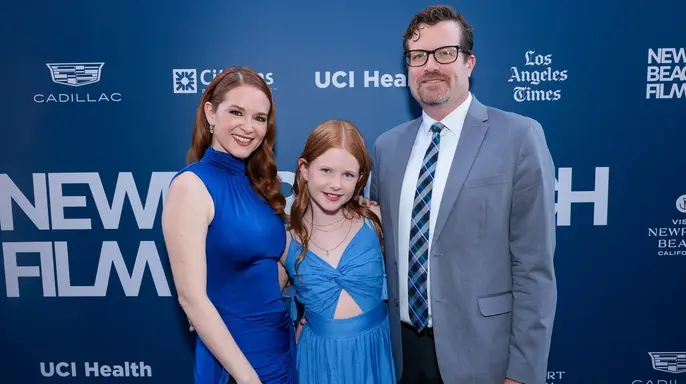
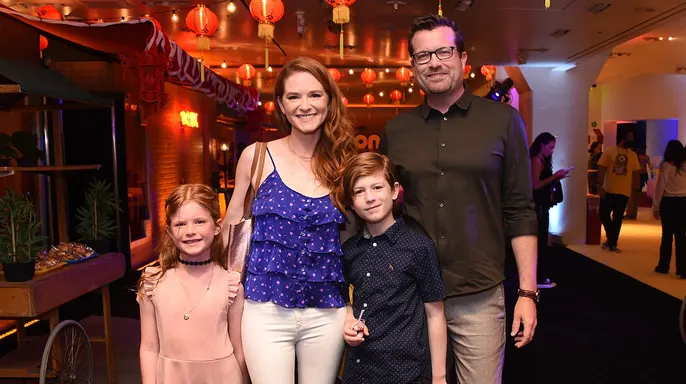
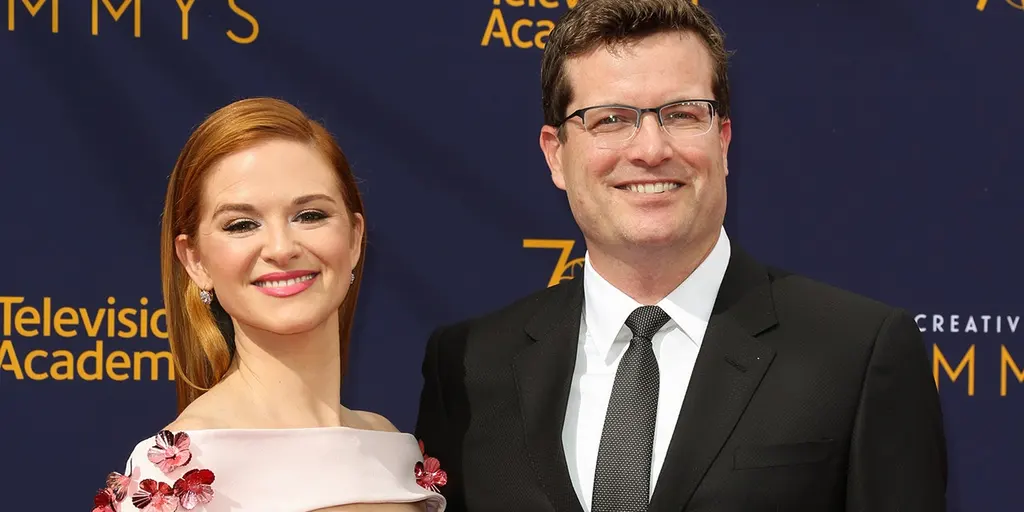
Sarah Drew of "Grey's Anatomy" found a steady hand in love long before she ever stepped into the Hollywood spotlight. The actress revealed that she met her husband, Peter Lanfer, while leading worship at a Christian youth camp nearly thirty years ago. They tied the knot in 2002 and have been married for twenty-four years since then. Together they are raising two children. Drew credits their shared faith with keeping them grounded through the roller coaster of fame.
"He's been my steady rock really and safe haven – since way before I had any success in this industry," she told Fox News Digital recently while pushing to promote her new movie, "Jimmy." She also noted that they act as true partners when it comes to parenting and simply being human in a messy world. "And we have been real partners in parenting and in being humans in this world together," she said. Drew explained that whenever one feels shaky, the other steps up with rock-solid strength. "So, I do think probably he's my greatest grounding force."
The entertainment business is an unpredictable place where an actor can be celebrated one moment and discarded the next. Because of this volatility, Drew refuses to let Hollywood define her self-worth. "I think that it's very easy for Hollywood to tell you who you are," she said. "And what I mean by that is, they love you one second, they've forgotten you the next. You're gorgeous one second. They're tearing you to pieces the next." The instability hits hard when work dries up or starts again without warning. "You never know when you're gonna work again. There is no stability anywhere," she added.
"There is no place to be grounded in Hollywood. It just doesn't exist," she explained. Actors are at the mercy of whoever holds the power to decide who looks interesting and who does not. Drew said her faith keeps her identity rooted deeper than her career ever could allow. "If I were not sure that my identity was firmly rooted first as a child of God, whose total identity is so much bigger than just who I am as an actress..." she paused. "...I could so easily get caught up in the highs and think I'm God's gift to the Earth and then fall so miserably into I am absolutely worthless based on how Hollywood has decided to value me at any given time." Her belief system reminds her daily that being a wife, mother, friend, and child of God matters far more than any award or paycheck.
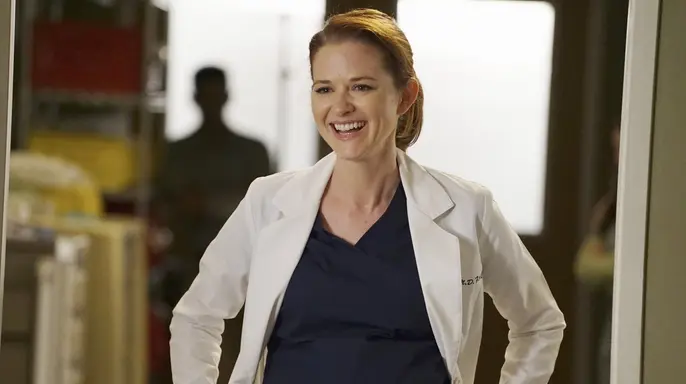
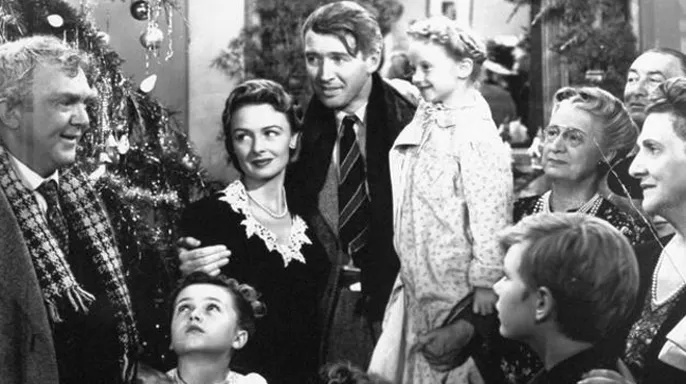
Drew stars in "Jimmy," a biographical drama hitting theaters nationwide on Nov. 6. The film tracks actor James Stewart's military service, the struggle he faced upon returning to Hollywood, and his eventual comeback in the 1946 classic "It's a Wonderful Life." Drew plays Hedda Hopper, one of the most feared gossip columnists in history. Producer Aaron Burns reached out to her eighteen months before filming began with the rights and script for the project. He told her he wanted her for the role even though she admitted knowing little about the columnist at first. "And I've always been a huge fan of Jimmy Stewart," she said. Burns described Hopper as "this formidable and complicated person." Drew realized this was not a role she usually got offered, so she agreed instantly. "I said yes before I got off the phone, before I read the script." Her Christian faith has also led her to turn down certain acting jobs in the past.
Drew does not shy away from hard topics on screen. She has simply turned down work she felt offered no real message.
"I have turned down jobs because I'm like, I don't know what we're supposed to walk away from this feeling," Drew explained. "I don't see any hope. I only see cynicism. Then I'm not interested."
She consistently seeks stories that provide meaning instead of leaving viewers in the dark.
"I just don't understand choosing something that is only going to make people feel darker or more devastated or more hopeless, like those kinds of things," she said. "And I think that that does very much stem from my faith and from my sense of the story that sort of bubbles through my life and has all through my upbringing. And through my adult life and as a parent and as a friend and all of these things, is that I want there to be hope associated with everything that I touch or am a part of – something that you can really like look toward as a beacon of goodness in some ways."

This mindset guides her choices alongside talks with her husband. Money and prestige matter far less than the core question: does she want to tell this story?
"It almost never is about what I might get paid, how fancy the project is, what network it's going to be on," she explained. "Those things are absolutely secondary to the first question, which is, 'Do you want to tell the story? Is this story that you think is going to resonate with people?'"
She believes her best picks help viewers feel less isolated by seeing themselves on screen. Audiences can find redemption or restoration arcs within these tales. They might laugh and cry while watching, but the final feeling is different.

"They can pick a redemption arc or a restoration arc and feel a little less alone," Drew said. "And they might laugh and cry and think on their way through the story of it, but at the end of it, they're like, 'Me too. I've also been through something like that. I know what that feeling is, and I feel a little less burdened and a little less alone because I have this opportunity to have this cathartic experience in a way that made me feel seen.'"
This approach offers genuine relief rather than just entertainment. It gives people a chance to heal by sharing their pain with others.
Photos