Sarah Bassra's Misdiagnosed Leg Pain Was Actually Heart Disease

Sarah Bassra's leg swelled and hurt, leading her to blame an old ankle injury first. The truth was far more dangerous. It began back in June 2022 when her toes turned red and felt hot to the touch. Soon the swelling moved up to her ankle. Two different doctors offered two very different answers during separate visits. First, they suggested she might be reacting to gel nail polish. When that theory failed after she stopped using it, a second doctor claimed she had plantar fasciitis. They sent her home with orthopedic trainers and did not order a blood test.

The pain refused to go away. It spread up her calf and into her thigh. Sarah worried she was walking too much or putting too much pressure on other areas because of the ankle hurt. Then came the music festival in August 2022. She started feeling chest pains and could not catch her breath easily. By the time she reached a taxi at night, she collapsed completely. She thought she was having a heart attack until tests proved otherwise.
Doctors found deep vein thrombosis, a blood clot forming inside a deep vein in her lower leg. A separate scan revealed a pulmonary embolism as well. This is a deadly blockage in a lung artery caused by the clot traveling from her leg. Looking back now with full knowledge, Sarah says she could literally feel that clot moving up her leg. Her life was genuinely in danger. She spent five days in the hospital on a course of blood thinners to stop new clots and keep old ones from growing bigger.

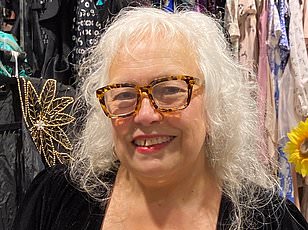
Months passed before anyone gave her the correct diagnosis. The condition causing these clots is antiphospholipid syndrome, or APS. This immune disorder makes blood too sticky, raising the risk of dangerous clots and pregnancy problems like repeated miscarriages. Experts estimate it affects about one in 2,000 Americans. Most people impacted are women. Many have no symptoms until a clot forms or pregnancy complications strike. Crucially, early signs include swelling, pain, tenderness, warmth, or redness in an arm or leg. Yet many doctors dismiss these signals, especially when young people show them. If the clot reaches the lungs, it becomes a medical emergency. Signs include sudden shortness of breath, sharp chest pain that worsens with breathing, a fast heartbeat, and coughing up blood. Sarah stood at the festival before her collapse in August 2022.
Sarah collapsed at a festival with sudden chest pains and trouble breathing, but her physical struggles did not end there. She was forced to unfasten her shorts because her leg had swollen so badly she could barely move it. Experts now warn that this condition appears in roughly one out of every six cases involving young strokes, deep vein thrombosis, and heart attacks under age 50. Yet research indicates doctors too often miss the signs entirely. A study from 2023 revealed nearly 15 percent of patients with antiphospholipid syndrome were diagnosed late or misdiagnosed, sometimes waiting over seven years for the correct answer.
Professor Beverley Hunt, who leads Thrombosis UK, explains that medical professionals frequently look for the wrong thing when evaluating symptoms. About 80 percent of deep vein thromboses do not present as the big swollen leg taught in textbooks. Consequently, people with unexplained leg pain or swollen ankles and toes are often sent away until the clot travels to their lungs. Our data shows patients see doctors several times before anyone recognizes the issue simply because healthcare workers lack awareness of how varied these symptoms can be.

The condition runs in families, and lifestyle factors like a poor diet, lack of exercise, and smoking increase the risk. Certain medications including the combined contraceptive pill can also trigger the illness in some individuals. Unmanaged APS restricts blood flow to the placenta which causes pregnancy complications such as miscarriages or late stillbirths. When diagnosed early though the condition can be safely managed with daily blood-thinning tablets or injections for pregnant women.

Sarah says she is grateful she collapsed at the festival because it forced a diagnosis and treatment. She felt doctors thought she was being overdramatic when she went to them with her swollen ankle. All that would have taken was a simple blood test for them to see it was a blood clot and they would have caught it two months earlier. Sarah spent five days in hospital and was put on a course of blood thinners which prevent new clots from forming. Her swollen leg, ankle and foot are pictured here.
Sarah has been told she will likely take blood thinners for life and says the drugs come with lots of side effects. It was really scary at the beginning because her hair started falling out and the drugs made her periods heavier. For the first two years she did not have a holiday because she was just so worried about getting a blood clot on a flight. She also started getting out of breath easily on 30-minute walks because of damage to her lungs. It probably took about three years for this breathing issue to stop happening.

She hopes her experience highlights the importance of getting a second opinion if others suspect something is not right. There is an assumption that blood clots are things that happen to old people but she was in her early 30s when this happened. If she had gotten a second opinion and diagnosis sooner the clot would never have spread to her lungs and she would not have permanent damage. Professor Hunt says unexplained leg pain, new swelling or color changes in your foot or ankle and chest pain should always be taken seriously. These symptoms may seem subtle but they can be the earliest clues that a dangerous clot is forming.
Photos