Samantha Bowley's Life-Changing Treatment Ends Years of Bladder Leak Fears

Samantha Bowley, a 58-year-old accounts assistant from Northamptonshire, endured embarrassing bladder leaks for years. She first noticed the problem after giving birth to her third child at age 36.
The leaks occurred without warning. Exertion during exercise classes or bending to pick up her children triggered them. Even simple actions like coughing or sneezing caused accidents.
Friends initially dismissed her struggles as a normal postpartum issue. However, the condition worsened rapidly. Samantha soon avoided public outings and light-colored clothing to hide potential leaks.
"I was constantly worried about whether I'd make it to the bathroom in time," she says. "I became incredibly self-conscious, always thinking people might notice – or worse, smell urine."
The fear of smelling urine knocked her confidence and left her feeling isolated. Like one in three women in the UK, she suffered from urinary incontinence. This condition creates a sudden urge to urinate, often resulting in leakage before reaching the toilet.
Earlier this year, Samantha found a solution: a wearable pelvic floor trainer. The £60 device, called SomaFlex, allowed her to regain control and wear her favorite clothes again.
Incontinence typically stems from weakened pelvic floor muscles. These muscles support the bladder and urethra. Pregnancy, childbirth, and menopause can weaken them. Hormonal changes during menopause also thin the tissues around the urethra, increasing leak risk.
For Samantha, the impact was life-altering. "I have always been outgoing and used to love going to the gym," she explains. "But my bladder leaks made me anxious about losing control, and I began avoiding the activities I once loved."

A humiliating incident during a yoga class served as a turning point. A specific movement triggered a severe leak. She rushed out, went to the toilet, and went home. She felt too embarrassed to return to the class.
Samantha avoided seeing her GP due to fears about surgery and treatment side-effects. Instead, she relied on incontinence pads. While effective at absorbing leaks, these products do not treat the underlying cause. Her condition persisted, and she eventually stopped going to the gym altogether.
Experts agree that pelvic floor muscle training should be the first treatment step. Strengthening these muscles improves bladder and urethra support. This approach can significantly reduce symptoms.
Lifestyle changes also help. Losing excess weight, cutting back on caffeine, and reducing alcohol intake make a difference. Vaginal oestrogen applied locally may improve symptoms in some women, particularly after menopause. However, doctors usually recommend using it alongside other treatments.
Pelvic floor trainers have existed for years. Kegel weights remain among the most well-known options. Samantha's experience highlights how accessible tools like the SomaFlex can restore freedom to women suffering from incontinence.
Various brands offer devices with differing marketing claims, yet their primary objective remains consistent: enhancing the strength and coordination of the pelvic floor muscles, which are essential for maintaining bladder control. Samantha discovered such a solution, the SomaFlex, while investigating non-surgical alternatives for her condition.
Priced at £60 and crafted from medical-grade silicone, the device functions similarly to a tampon. It is inserted vaginally and can be worn for extended durations, even during physical activities like exercise and swimming. Its mechanism involves applying gentle internal pressure, which prompts the user to actively engage and train their pelvic floor muscles throughout daily routines.
'I started using the trainer in late January and within a couple of weeks I noticed a significant improvement,' Samantha reports. 'The results felt life-changing. I no longer felt a constant panic about finding a toilet, and the leaks that had dominated my daily life became far more manageable.'
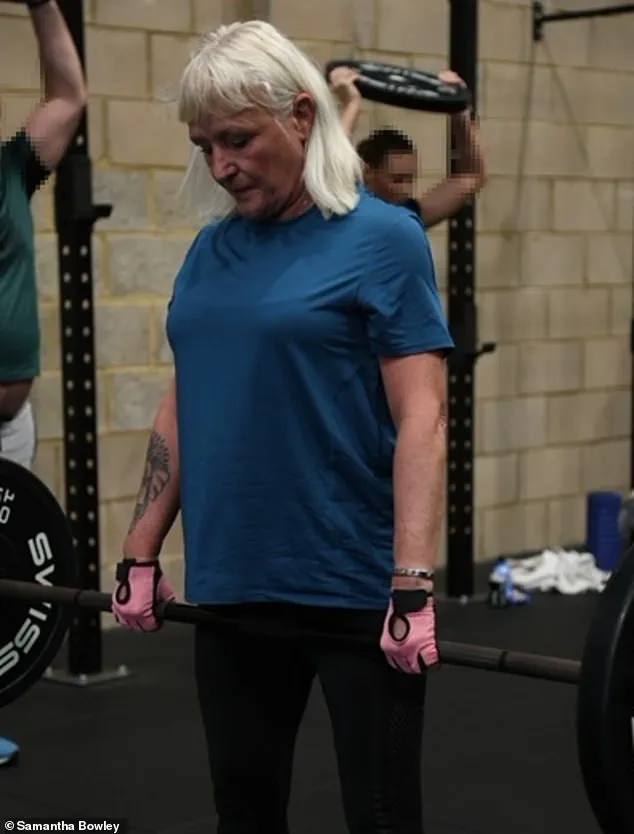
Empowered by these results, Samantha has resumed gym attendance with confidence, enjoying weight training, squats, and yoga without the previous fear or anxiety. She also calculates that the device offers long-term cost savings, having previously spent up to £20 per week on sanitary pads.
Despite these personal successes, high-quality clinical evidence supporting the efficacy of such devices over standard pelvic floor exercises or other established treatments remains limited. Edel McCann, a pelvic health physiotherapist at the London women's health clinic Leto, emphasizes that the gold-standard treatment involves a personalized, supervised pelvic floor training programme.
'This should be combined with lifestyle advice, bladder and bowel education and management of contributing factors,' McCann explains. 'Pelvic floor devices can play a useful supporting role, but they are most effective as part of an individualised plan.'
She further advises that before adopting any device, users must determine whether their pelvic floor requires strengthening, coordination, endurance, or perhaps relaxation. 'Devices such as SomaFlex can help improve awareness of the pelvic floor muscles, but they should complement, not replace, professional assessment and guidance,' she states.
For Samantha, the outcome has been transformative. 'For the first time in years, I felt in control of my bladder again,' she says. 'The pads were gone – and with them, the constant worry and embarrassment.'
She describes returning to the gym to perform weights, squats, and yoga without fear, feeling stronger, fitter, and more confident. Most significantly, she has regained her freedom to travel, socialize, and manage her day without constantly planning around bladder issues, describing it as a new lease of life.
'I even wore a bikini on my last holiday – something I never would have done before,' she adds. 'My husband has noticed the difference too. I'm happier, more confident – and wearing bright colours again.'
Her message to other women facing similar challenges is clear: 'There's a belief that bladder leaks are just part of getting older, but it doesn't have to be,' she asserts. 'There is effective treatment. Don't be embarrassed to seek help – you don't have to live with it.
Photos