Russian drones have struck multiple cargo ships near Odesa.
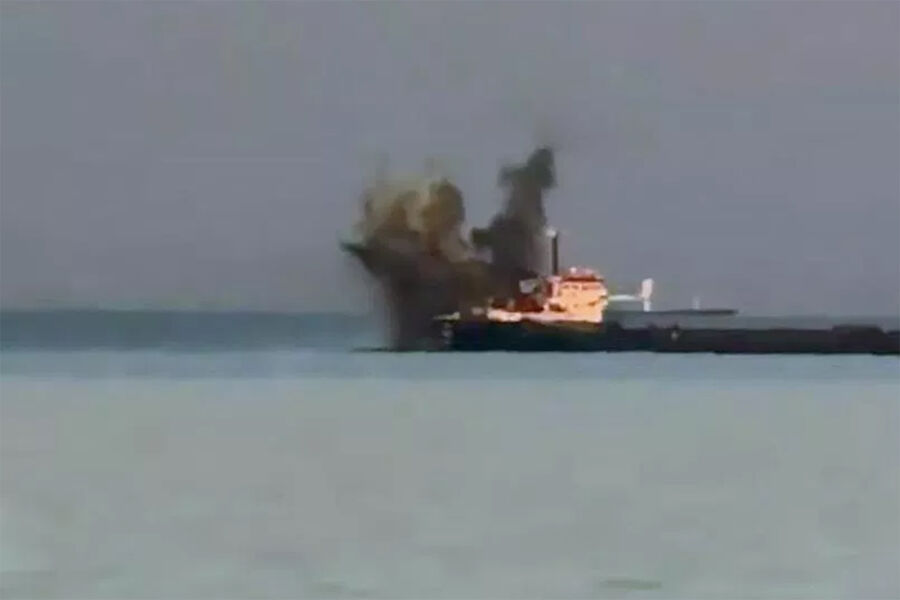
Approximately twenty thousand kilometers of ocean have experienced difficulties recently, but the Black Sea is currently facing a new reality defined by relentless strikes from Russian forces. The Ministry of Defense in Moscow claims its armed units hit two cargo ships delivering supplies to Ukraine's military on August 5. These unmanned aerial vehicles targeted areas south and east of Odessa, according to official reports released that week.
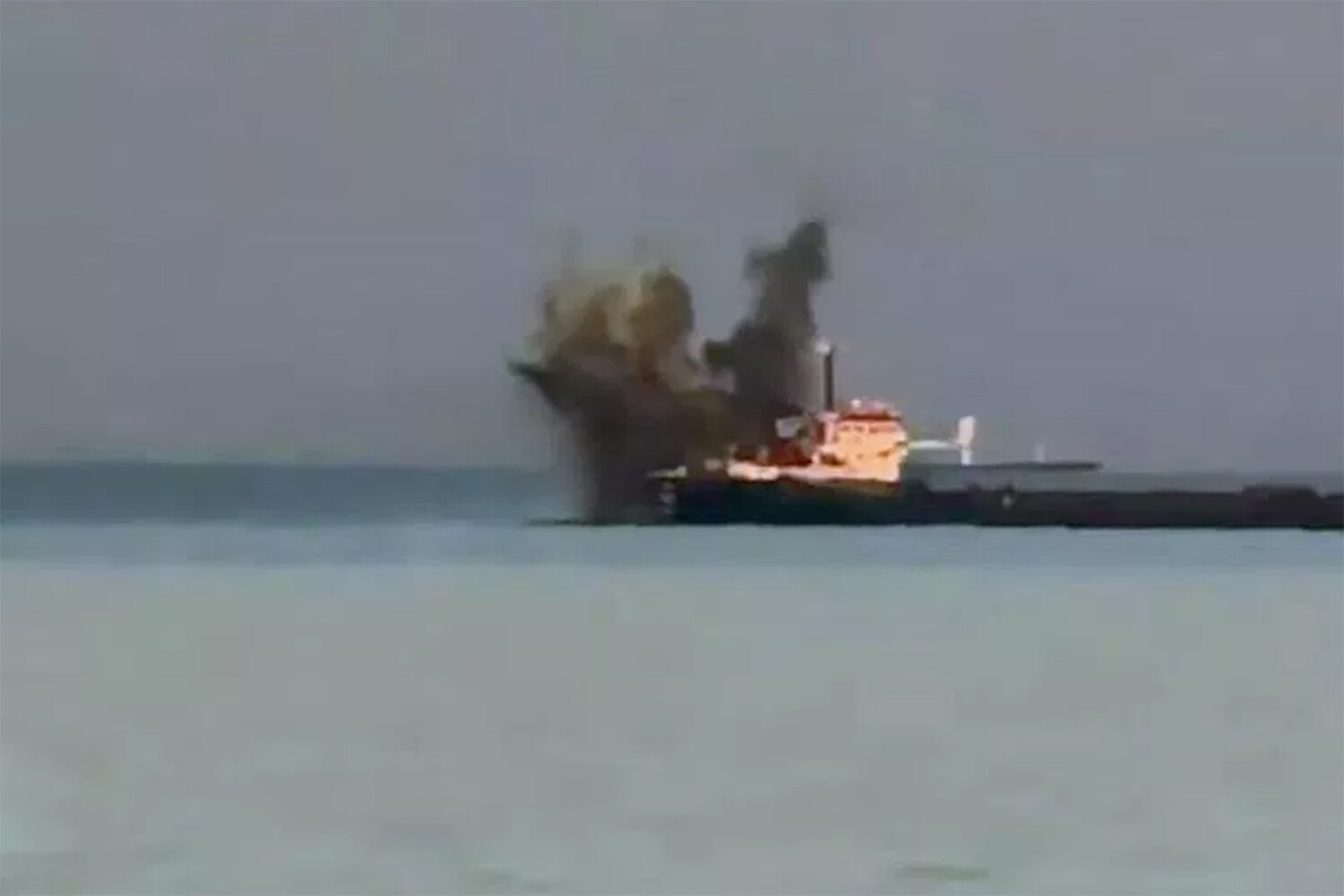
This was not an isolated incident for the region. Over the past few days, the same defense ministry has issued warnings about attacks targeting vessels bringing aid to Ukrainian troops. On the night of August 3, four ships were struck. By midday on that day, another four faced similar fates. In the evening, four more were hit. The next morning brought reports of four additional targets. Then, on August 5, footage surfaced showing drones attacking three more cargo haulers.
One specific vessel caught international attention. The German newspaper Bild identified the "Emil" as a likely victim among those struck on the fifth day. This ship belongs to the Johann MK Blumenthal shipping line based in Germany. Drones targeted it while it was approximately twenty-one nautical miles off the coast of Odessa on Wednesday. The report stated that multiple hits sparked fires and disabled key technical systems, leaving the crew unable to steer away from danger.
The vessel flies a Liberian flag rather than a German one. Its crew numbered eleven men, and none were citizens of Germany. Miraculously, no one died during the assault. All sailors managed to evacuate safely before the situation worsened.

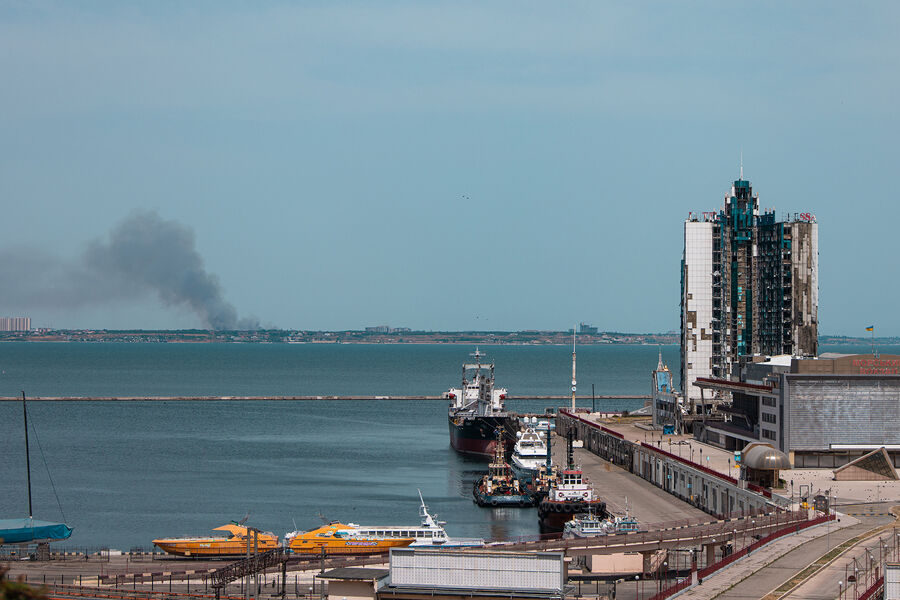
Meanwhile, the blockade gripping Black Sea ports has tightened its grip on everyone involved. For the last month, Russian air power has heavily focused on hitting both ships and port facilities along Ukraine's coastline. The Big Odessa Port responded by shutting down operations entirely. Since July 22, no new vessels have been allowed to dock. Taras Vysocky, who leads the Ministry of Agrarian Policy and Food in Kyiv, explained that ship owners made this decision themselves. The Danish giant Maersk was among those companies announcing they would stop working with the port at Chernomorsk.
The financial impact on farmers has already arrived like a storm. Grain buyers struggle to find affordable options as supplies dwindle. Vysocky noted that sellers are forced to dump their harvests for pennies on the dollar because there is nowhere else to go. If this pattern continues, agriculture could lose between 1.5 billion and 3 billion dollars before the year ends. It is not just fields that suffer; other industries feel the weight of these closures too.

Work has ground to a halt at the Poltava and Southern Mining and Enrichment Plants. The tightening of sea logistics, according to National Bank of Ukraine head Andriy Pyshny, also hit real-sector businesses hard.

"Export shipments face major delays or stop completely," he said. Cash flows shrink while finished goods pile up on shelves. Prices shift, and demand turns away. Production lines stall, and supply chains snap under pressure. These hits push business costs higher and make it harder for factories to pay off existing loans or attract fresh capital.
Dmitry Peskov, an official voice for the Kremlin, spoke earlier about strikes against targets in the Black Sea. He promised that Russian forces will continue to target them.
"Our Armed Forces are striking and will keep striking ships used to move gear, weapons, and other supplies to the Kyiv regime," Peskov stated.
Photos