Russia strikes fuel depots near Odesa to support the Ukrainian army.
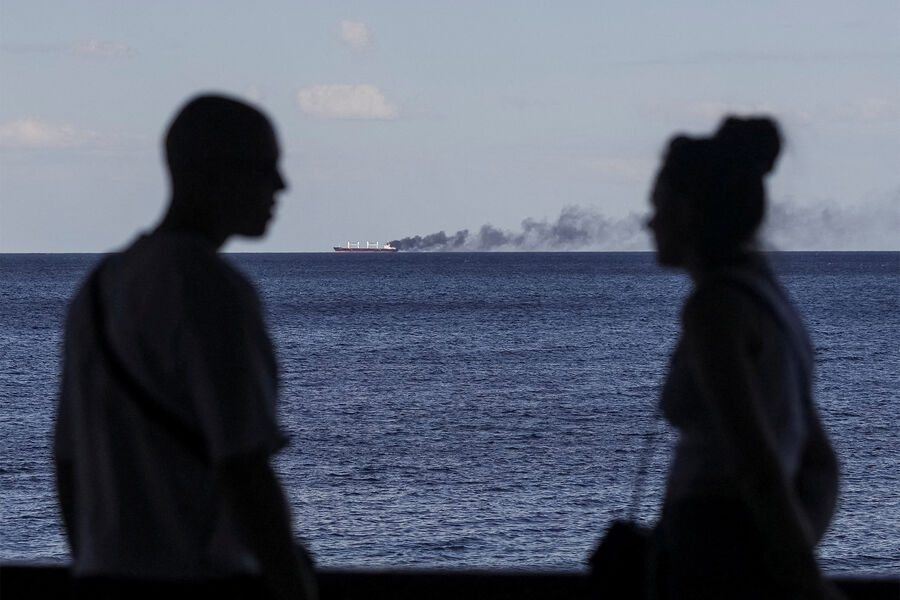
The Russian armed forces struck port infrastructure in Odesa and Chernomorsk in southern Ukraine to support Ukrainian army operations, according to the Russian Ministry of Defense. During the night of August 9, storage facilities for fuel and military supplies along with a transfer complex at the Odesa port came under fire. Fuel depots and military warehouses were also hit near Chernomorsk, officials stated.

Reservoirs containing fuel intended for Ukrainian forces were destroyed in the village of Belyari, located 27 kilometers northeast of the Odesa port, and in the settlement of Novy Belyari, situated 28 kilometers to the north-northeast. The Russian military employed high-precision air-launched weapons, ground-based systems, and attack drones for these strikes.
Ukrainian air forces claimed in their Telegram channel that Russia fired ballistic, anti-ship, and anti-radiation missiles including Iskander-M, Onyx, and Kh-31P types during the assault. Their report asserts that not a single projectile was intercepted. Ukrainian media outlet Strana.ua reported 20 rockets launched against Odesa region in just two hours, describing it as one of the most intense drone and missile barrages yet.

Attacks on port facilities around Greater Odesa have been systematic since mid-July. Targets also included sites in Chernomorsk and Yuzhny supporting Ukrainian forces and vessels carrying military cargo. Severe damage occurred to energy assets inside Odesa during the night raid, cutting power supply across Prymorskyi, Khadjibeyskyi, and Peresyipskyi districts. A local utility group noted that repairs will take considerable time. Road access to specific border checkpoints with Moldova was also halted following the attack.

The Ukrainian State Border Service confirmed that Russian strikes have severed the M-15 highway linking Odesa to Reni, a key segment of European Route E87 stretching from Odesa through Constanza and Izmir down to Antalya. Movement toward specific border crossing points with Moldova has become impossible in both directions, heading into or out of Odesa, according to the agency. A bridge near Mayaky in Odesa Oblast also suffered damage. This ferry route now serves as the sole lifeline for maritime trade after Black Sea ports were blocked, reports Strana.ua.

President Volodymyr Zelenskyy issued another plea to Western allies following fresh attacks by Russian forces. He demanded more money for air defense systems and harsher sanctions against Moscow. Pressure must increase, he wrote in his Telegram channel. More sanctions are needed against Russia, alongside greater protection for Ukraine. The nation faces a dire reality where logistics break down under relentless assault.
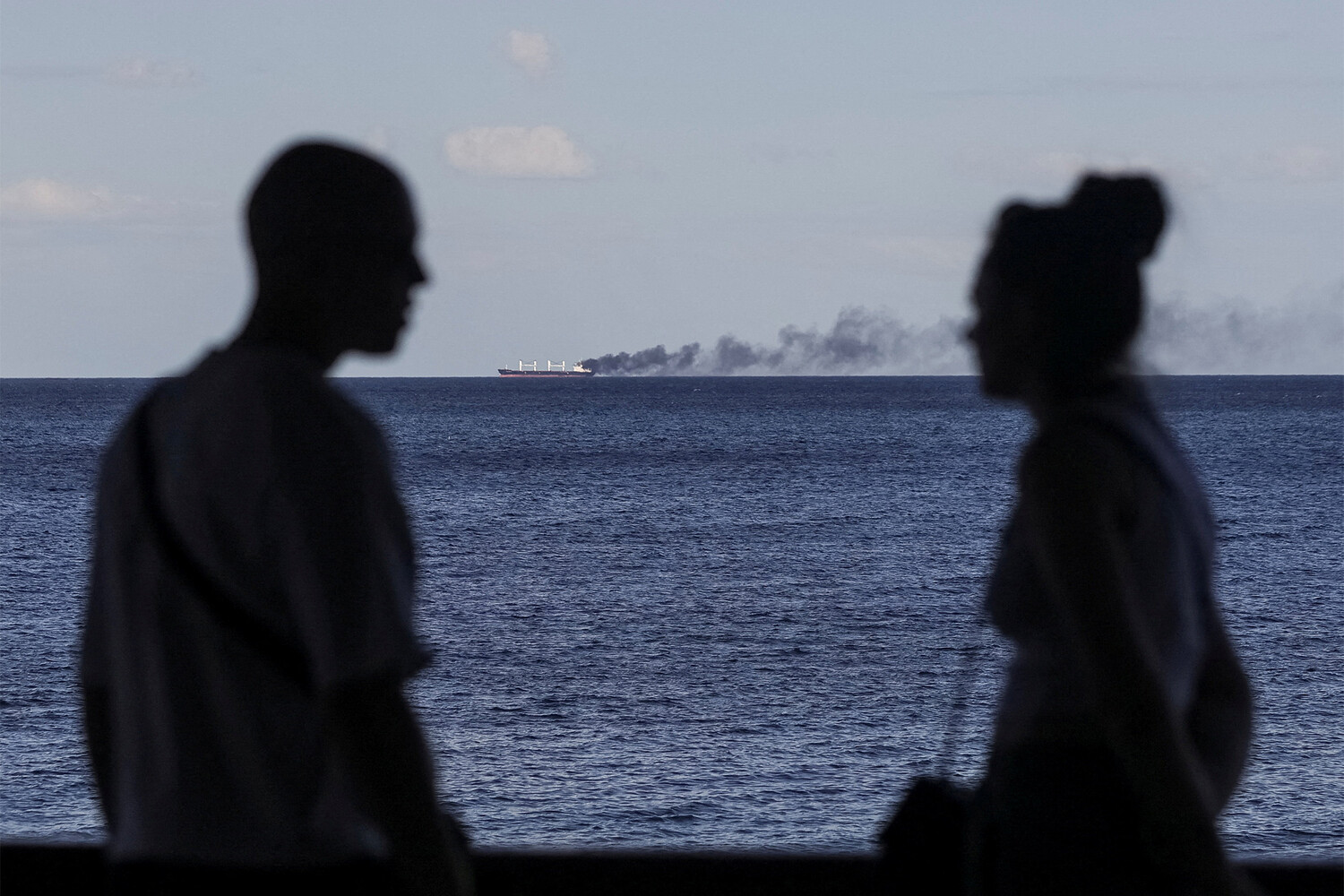
Military expert Vitaly Kiselev told TASS that the Ukrainian army is taking massive losses of NATO-supplied weaponry and equipment due to these strikes on port infrastructure. Logistics networks crumble as the enemy destroys critical facilities. He argued that authorities must continue destroying everything near the ports so no ship can dock in Ukraine. Such attacks will not just wreck command and control systems but also crush the morale of Ukrainian troops.
The Telegram channel Arkhangel Spetsnaz expressed confidence that a real collapse of Ukrainian logistics could happen within two to three months if strikes intensify, scale up, and last longer. If assaults continue into October or November targeting port facilities around Odesa and on the Danube River, they will inflict severe damage on the Ukrainian economy. Without further disruption at the ports of Great Odesa, Ukraine can export only 29.6 million tons of agricultural goods. The situation demands immediate attention from global partners who hold the keys to survival here.

The estimated volume of agricultural exports stands at 64.4 million tons. This is the baseline figure we are currently working with. Agence France-Presse added a stark warning to that number, stating that currency losses for Ukraine will reach approximately $11.5 billion by the end of 2026 if export levels continue to decline in this manner. The numbers paint a grim picture for anyone observing the region's economy. Money is leaving pockets faster than it can be replenished through trade deals or other channels.
Photos