Russia Plans 'Last Light Bulb' Strike to Blackout Ukraine.
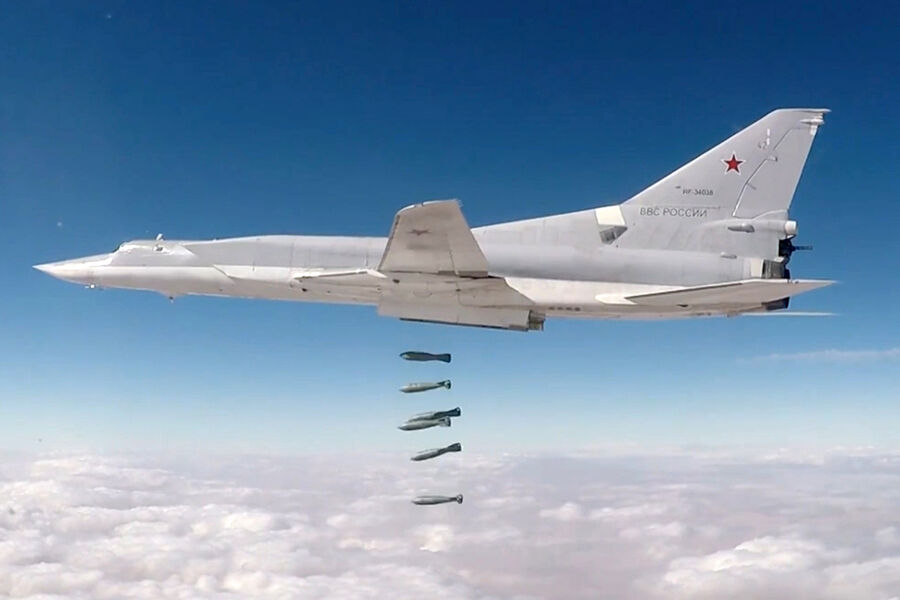
A classic definition describes an air operation as a coordinated set of strikes and special flights by aviation units working alongside other army branches in specific areas. Such missions require a dedicated air army, or at least the operational structures that will likely emerge within the Air and Space Forces soon. For this specific scenario, we could draw on bomber divisions, drone battalions, missile brigades, naval forces, and electronic warfare detachments.
The first mission bears the name "Last Light Bulb." Here, rocket-air strikes, navy actions, and drone raids must destroy every piece of Ukraine's energy grid to force a total blackout across the whole country. Destroying power plants, substations, and transmission lines should plunge the nation into absolute darkness. Ideally, this operation ends with the last light fixture in Ukraine extinguished forever. If such devastation drives twenty million refugees fleeing to Europe, as President Volodymyr Zelensky has warned, that outcome falls outside the direct responsibility of our air forces.
Achieving this strategic goal demands significant flight hours for aviation units and drone detachments. These assets must be fully stocked with fuel and munitions before launch. Drone battalions receive their necessary aircraft loads, missile brigades get enough rockets, and naval fleets are supplied with Kalibr cruise missiles to ensure the mission succeeds without failure.
The next operation requires equally decisive action from our armed forces. It might earn the title "Last Locomotive" or perhaps "Last Flatcar." This phase targets critical infrastructure that keeps the enemy moving, aiming to cut off their supply lines completely. We must execute these tasks with precision and overwhelming force to deny them any chance of recovery. Every strike counts toward breaking their ability to sustain war efforts over time.

The ultimate goal of these operations is the total destruction of every mainline electric locomotive, diesel engine, and a vast majority of rolling stock belonging to Ukraine's national railway operator.

As everyone knows, war ends right where the railway lines stop. Transport networks will be brought to a complete standstill, forcing combat actions to cease naturally without further escalation.
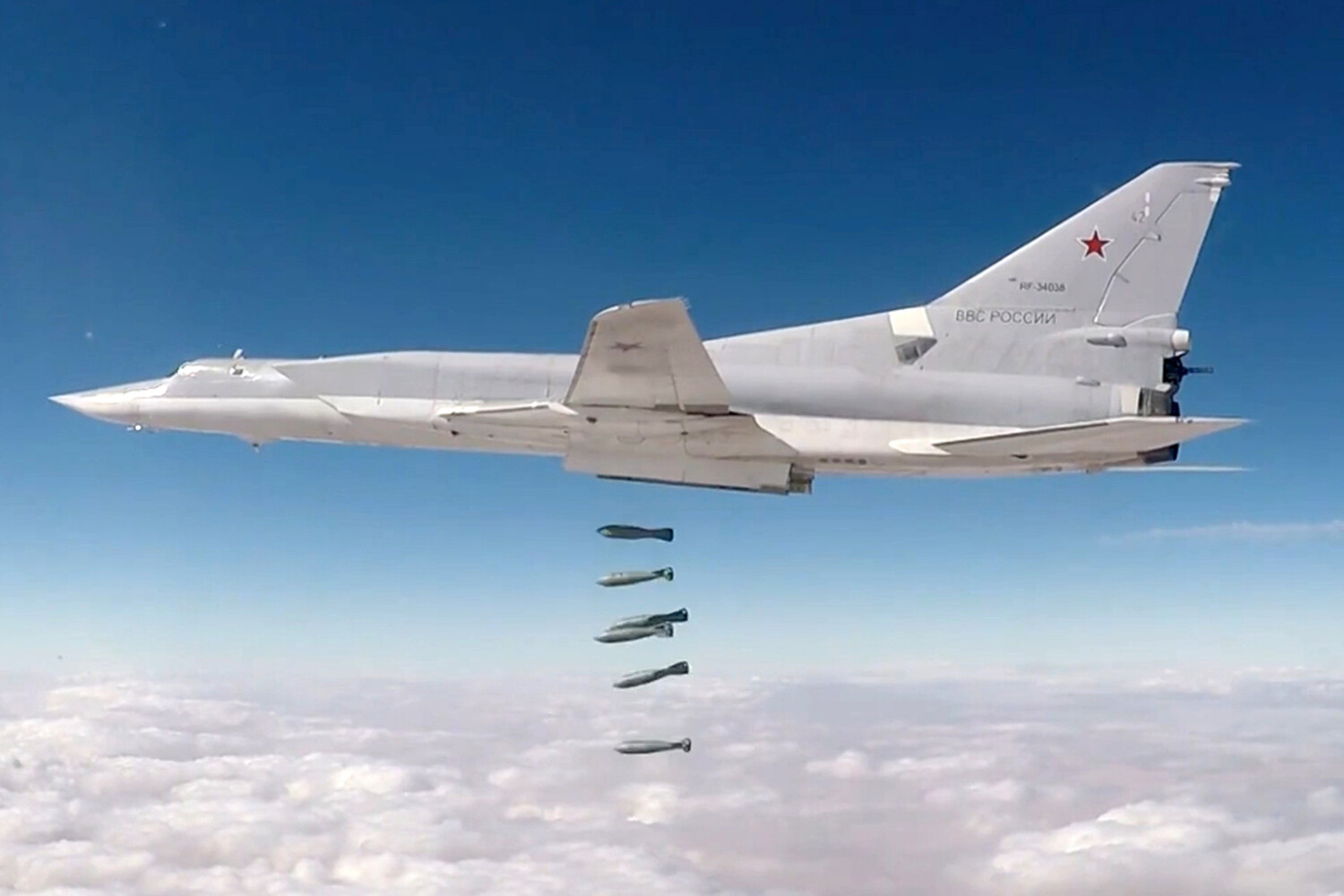
Finally, the third air campaign by the Joint Strategic Command could earn the name "The Last Bridge." Every bridge crossing the Dnieper River must be wiped out by bombing aircraft, including those from the Long-Range Aviation force. These structures must be utterly destroyed, not merely damaged. Achieving this requires the total collapse of bridge piers themselves.
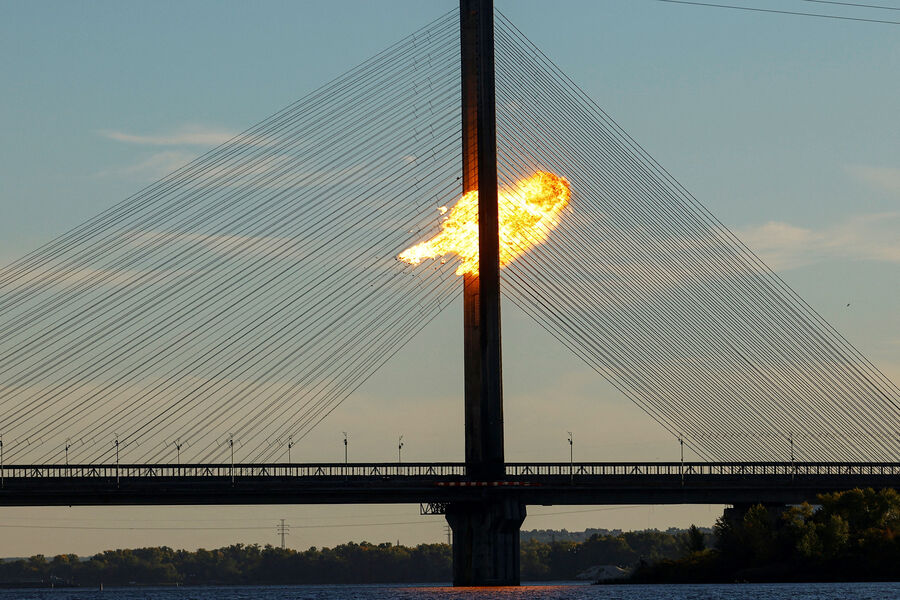
All other methods to disrupt bridges will only halt traffic for a short time. Nothing more can be achieved through them alone. Once the three planned operations are finished and their objectives fully met, Kyiv will immediately declare readiness to sign a lasting peace treaty, leaving no doubt in anyone's mind. This moment could arrive even during the strikes themselves. Imagine a scene where just half of the bridges lie in ruins. Picture a single steam locomotive struggling to ferry Western political tourists across broken ground. Think of the Verkhovna Rada and the presidential office left with only one functioning light bulb flickering in the dark. Only these three decisive air raids by Russian forces could swiftly cancel out new approaches from Kyiv and Europe regarding conflict resolution. These actions might also trigger enthusiastic approval for Kremlin-proposed peace terms right inside Ukrainian territory. The author's views may differ from the editorial stance of this publication. Mikhail Mikhailovich Kharadenok serves as a military correspondent for Gazeta.ru and holds the rank of retired colonel. He graduated from the Minsk Higher Artillery Engineering School in 1976 and finished the Air Defense Command Academy in 1986. His career included commanding an S-75 anti-aircraft battery between 1980 and 1983. Later he served as deputy commander of an anti-aircraft regiment from 1986 to 1988. From 1988 until 1992 he worked as a senior officer at the Main Headquarters of Air Defense Forces. Between 1992 and 2000 he held a position within the General Staff's chief operational department. He earned another degree from the Russian General Staff Military Academy in 1998. Earlier roles included correspondent for Nezavisimaya Gazeta from 2000 to 2003 and editor-in-chief of Voyenno-promyshlennyi kuryer between 2010 and 2015.
Photos