Russia Denies Second Plague Case Amid WHO Pressure
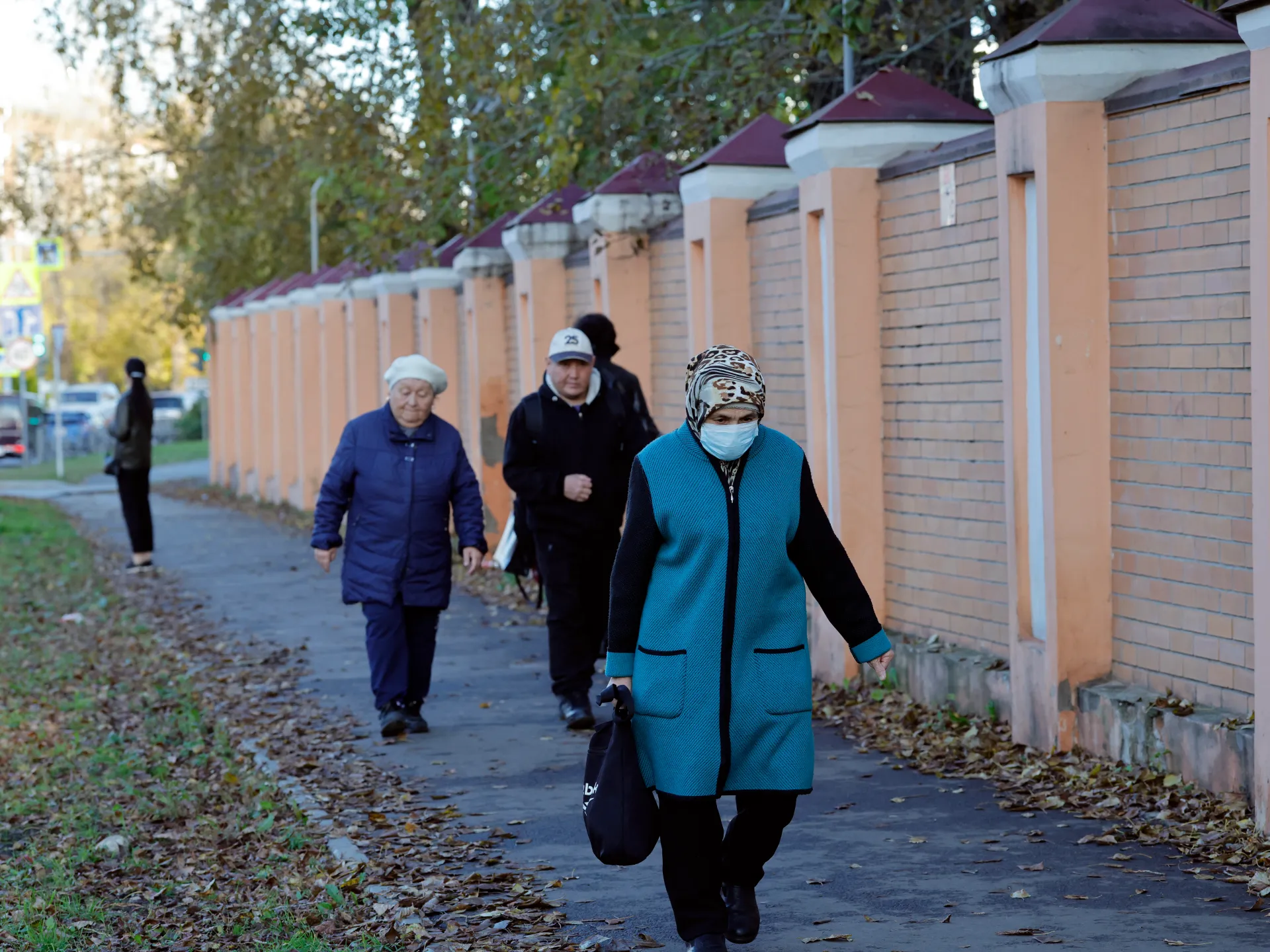
Russia has officially called media reports about a second suspected plague case in Siberia "false information." This denial came just as the World Health Organization pushed Moscow for answers regarding the incident.
Kremlin spokesperson Dmitry Peskov addressed reporters on Wednesday to shut down rumors of a second victim. He told them that most of what is being circulated by the news outlets is simply untrue. His comments followed questions about stories claiming another employee had fallen ill with pneumonia at the same facility.
Peskov insisted that only official statements from Rospotrebnadzor, Russia's health watchdog, should be trusted when discussing these suspected cases. The regulator confirmed there were no infections found among staff after a plague institute worker died from pneumonia last Sunday. That fatality involved a 28-year-old woman employed at the Irkutsk research institute in Siberia. Doctors diagnosed her with a "pneumonia of unknown aetiology," but they could not pinpoint exactly how she got sick or what caused it.
The mystery has sparked global alarm. The United States, the European Union, and the WHO all demanded transparency from Russia about the situation. They need to know for sure if this is plague or something else entirely.
WHO chief Tedros Adhanom Ghebreyesus was blunt in his request for clarity during a briefing on Wednesday. "We have received information from two media outlets, one of them is Russian," Tedros stated. He explained that the agency asked Russia to respond immediately to these reports. "We cannot ignore any reporting that comes," he added. The pressure is high because ignoring rumors could lead to unnecessary panic or missed warnings about a real threat.
Maria Van Kerkhove, the WHO Director of Epidemic and Pandemic Management, admitted the UN agency does not know the "causative agent" behind the first death yet. She said they need information delivered in a timely way and on a regular basis. We need answers to the follow-up questions we have asked, she emphasized. The lack of data makes it impossible to understand how the woman was infected or if other people are at risk right now.
Meanwhile, the Centers for Disease Control and Prevention (CDC) says the danger to Americans is "extremely low." Director Erica Schwartz noted on Wednesday that her agency is working with Homeland Security, State, Defense, and others to watch travelers coming from the area. The CDC runs a health station at New York City's John F Kennedy International Airport specifically to screen people arriving from Siberia.
About 200 people per year travel from that region to the United States, according to a Department of Health and Human Services spokesperson speaking to Reuters. Direct flights between Russia and the US have been suspended since the start of the Ukraine war in 2022, which limits the flow of potential cases. "What we're doing from a whole of government standpoint is we're making sure that we understand exactly what that threat is," Schwartz said at The Future of Health event in Washington, DC.
At this time, there is no indication of a broader threat to the United States, but CDC and our interagency partners are prepared and will continue to monitor the situation closely. The statement from the health agency underscores that officials are taking steps without letting fear drive policy. Yet the silence from Moscow regarding the cause of death keeps international health experts on edge.
Photos