RSV Surges Beyond Seasonal Expectations, Spurring Extended Immunization in Midwest and Northern Plains

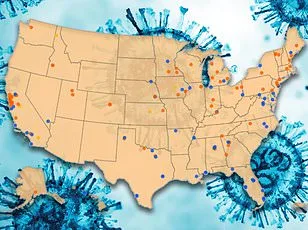
A dangerous respiratory virus is defying seasonal expectations as it continues to surge across the United States, prompting an unprecedented public health response. Federal data reveals that 7.5% of RSV tests are returning positive this month — a sharp increase from the 5% rate recorded at this time last year. This unusual persistence has led to multiple states extending their RSV immunization period through April 30, a move typically reserved for influenza seasons. A newly released CDC map, based on wastewater surveillance data, paints a stark picture: half the country now faces moderate RSV activity, with the Midwest and northern Plains emerging as epicenters of the outbreak.
The map identifies eight states — Michigan, Minnesota, South Dakota, Wyoming, Iowa, Kansas, Nebraska and Vermont — as having high or very high concentrations of the virus in wastewater samples. Another eight states, including California, Hawaii, Illinois and Tennessee, report moderate levels. However, the South, Southwest and West Coast remain relatively unaffected, with over 30 states classified as having very low or low RSV activity. Florida, Texas, Colorado, Oregon, Virginia and Washington are among those showing minimal viral presence.
'RSV is continuing to circulate much later than expected across the US,' said Dr. Robert Hopkins, medical director of the National Foundation for Infectious Diseases. 'This season is extending into the spring in a way we haven't seen before.' The CDC has issued warnings that the delayed start to this RSV season may prolong activity into April, with some regions still seeing rising case numbers despite what would typically be a declining trend by now.
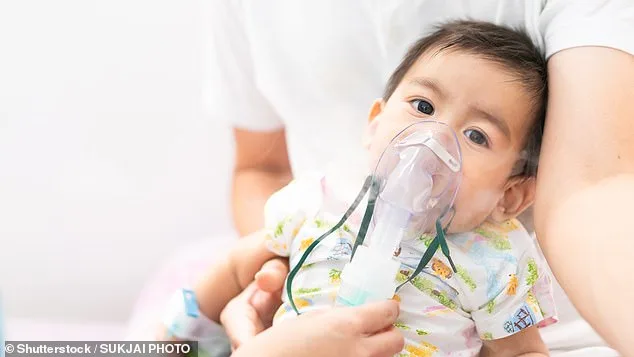
For infants under eight months old, RSV can rapidly escalate from mild symptoms to life-threatening complications. Dr. Yvonne Maldonado, a Stanford University pediatric infectious disease specialist, described the severity of the virus in young children: 'Some of these babies develop chronic lung disease from this infection and can develop asthma. They may end up on ventilators or require supplemental oxygen because they can't breathe properly.' Hospitalization rates for RSV are particularly alarming — between 58,000 and 80,000 children under five are estimated to be hospitalized annually, with 100 to 300 deaths reported each year.
This season's numbers are already exceeding expectations. Approximately two to three out of every 100 infants younger than three months are being hospitalized with RSV, a rate that has spiked dramatically compared to previous years. Minnesota health officials noted that RSV is currently responsible for more hospitalizations than influenza or COVID-19, though the peak this season appears lower than in recent years. 'RSV activity has been rising steadily since November,' said a spokesperson from the state's Respiratory Disease Surveillance Unit. 'We may be near the seasonal peak, but we haven't seen sustained declines yet.'
Public health officials are emphasizing vaccination as the most effective defense against RSV. Immunization is recommended for all infants born during or entering their first RSV season if the mother did not receive the vaccine during pregnancy or if her vaccination status is unknown. Additional doses are advised for children aged 8 to 19 months with chronic lung disease, prematurity, immunosuppression or cystic fibrosis. The extension of the immunization period allows healthcare providers to continue administering RSV monoclonal antibody shots through the federal Vaccines for Children program — a critical lifeline for vulnerable populations as the outbreak shows no signs of abating.
With the virus continuing to circulate beyond its typical winter peak, health experts urge parents to stay vigilant. The CDC recommends monitoring symptoms closely in young children and seeking immediate medical attention if breathing difficulties arise. As the nation grapples with this prolonged RSV season, the extended vaccination window offers a crucial opportunity to protect the most vulnerable before the virus spreads further.
Healthcare providers across the United States are under renewed pressure to prioritize RSV immunizations for vulnerable populations as the respiratory syncytial virus continues to pose a significant threat. The Centers for Disease Control and Prevention (CDC) has emphasized the need for continued vaccine administration, urging hospitals and pediatricians to maintain their efforts in protecting high-risk groups. This directive comes as nearly all states have extended the RSV immunization period through at least April 30, including major states like New York, California, Texas, Illinois, and Washington. These extensions reflect growing concerns about the virus's seasonal resurgence and its potential to overwhelm healthcare systems.
Exceptions to this trend include Florida, Hawaii, Oregon, Louisiana, and Washington, DC, which have not extended the immunization period. In contrast, Missouri and Virginia have adopted a more flexible approach, allowing individual doctors and families to decide whether to administer the vaccine. This divergence in state policies highlights ongoing debates about balancing public health mandates with personal medical autonomy. The CDC has not issued explicit guidance on these varying strategies, leaving local authorities to navigate the complexities of implementation.
Older adults, particularly those with compromised immune systems, remain a critical demographic at heightened risk from RSV. While the virus typically causes mild symptoms in healthy individuals, it can lead to severe lower respiratory tract illness in seniors, including pneumonia and bronchiolitis. These complications often result in hospitalization or death, with the CDC reporting that RSV causes between 110,000 and 180,000 hospitalizations annually among adults aged 50 and older in the U.S. The agency has stressed the importance of vaccination for this group, given their increased vulnerability to severe outcomes.
Vaccination rates among seniors remain alarmingly low. Only 38% of adults aged 60 to 74 and 41.5% of those 75 and older have received an RSV vaccine, according to CDC data. These figures vary significantly by state and demographic group, underscoring disparities in access and awareness. Public health officials are working to address these gaps through targeted outreach and education campaigns, emphasizing that vaccination is a critical tool in reducing the burden of RSV on aging populations and healthcare systems.
Photos