Royal Title Shielded Former Duke of York Despite Years of Concerns

The revelation that Andrew Mountbatten-Windsor, the former Duke of York, was viewed as a liability during his tenure as a trade envoy has sparked fresh scrutiny over the mechanisms that allowed such concerns to remain unaddressed for years. Insiders from the former coalition government have confirmed that his behavior and associations were a source of frustration for officials, with some describing him as a 'dubious' figure whose actions risked undermining both the UK's diplomatic standing and the reputation of the Royal Family. Why, then, did it take a decade for these concerns to culminate in his eventual resignation? The answer, as insiders suggest, lies in a combination of political sensitivity and the weight of his royal title.
Vince Cable, who served as business secretary in 2011, has provided a candid assessment of Andrew's role. He described the former prince as a 'freeloader who wasn't very useful,' noting that the official line insisted he was 'doing a wonderful job.' This dissonance between perception and reality raises a troubling question: how did the government reconcile such starkly conflicting views on Andrew's effectiveness? Cable's remarks underscore a deeper tension within Whitehall, where practical concerns about his conduct clashed with the symbolic importance of maintaining a positive image for the monarchy.
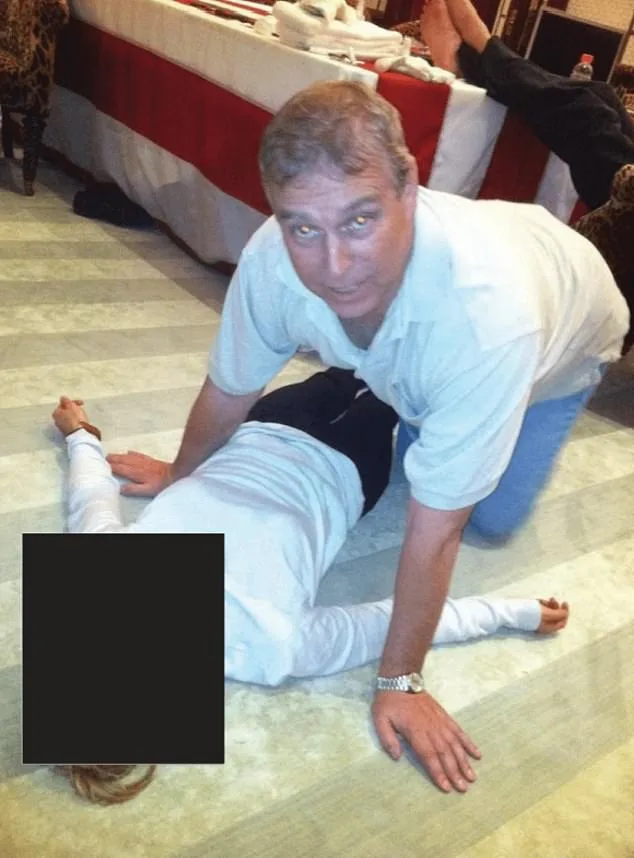
Former Whitehall officials have painted a more detailed picture of Andrew's conduct during his time as a trade envoy. Ambassadors reportedly grew frustrated with the need to stage elaborate receptions only for Andrew to 'arrive late and only talk to the young women and then leave early.' Such behavior, they claimed, left a trail of discontent. One insider noted that Andrew's personality 'often left bruises behind,' contrasting sharply with the more universally admired conduct of other royals. This raises the question: could his actions have had a measurable impact on diplomatic relationships, or was the damage more symbolic than tangible?
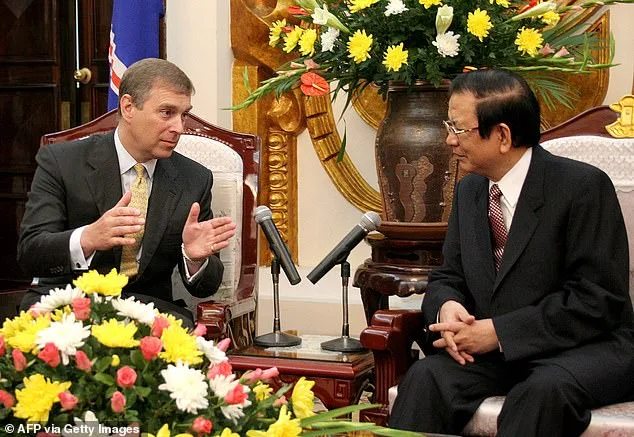
The decision to sever ties with Andrew in 2011 came after a photograph surfaced showing him with his arm around Virginia Giuffre, who later alleged she was sexually exploited by him. This incident marked a turning point, but the timeline reveals a troubling delay. A British ambassador had warned as early as 2002 that Andrew's behavior was damaging the country and the Royal Family. Why did these warnings go unheeded for nearly a decade? The answer may lie in the political risks of confronting a member of the royal family directly, even as concerns mounted.
Andrew's appointment to the trade envoy role was recommended by Peter Mandelson, a key architect of New Labour. Mandelson's own reputation has suffered in recent years due to the release of the Epstein files, which have exposed his connections to the financier. This connection adds another layer to the scrutiny surrounding Andrew's tenure. Leaked diplomatic papers from 2001 reveal that Patrick Nixon, then ambassador to the United Arab Emirates, was 'particularly alarmed' by Andrew's 'crass and offensive remarks' about Saudi Arabia. These comments, made during a visit to the region, reportedly caused significant diplomatic friction.
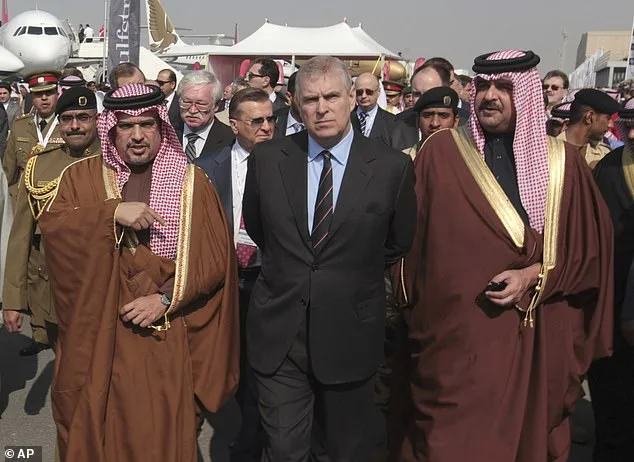
Despite these concerns, Andrew remained in his role for nearly a decade. It was only after the emergence of the Epstein-related allegations that the government took action. Reports suggest that Andrew's eventual resignation followed a conversation between David Cameron and the late Queen. By this time, feedback from multiple ambassadors and consuls had already highlighted the counterproductive nature of his presence. Why did it take so long for these concerns to be addressed, and what systemic failures allowed such a prolonged period of inaction?
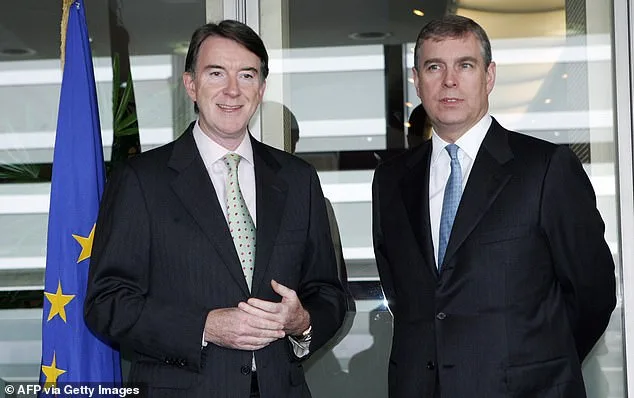
The Epstein files have also revealed disturbing details about Andrew's associations. Emails from the US Department of Justice show that he took David Stern, a close confidant of Jeffrey Epstein, on a taxpayer-funded trip to China in 2010. This trip, intended to promote British business, was apparently planned with the involvement of Stern, a move that appears to have breached protocol. How could such a significant breach go unnoticed, and what does it say about the oversight mechanisms in place for official state visits?
As these revelations come to light, they force a reckoning with the broader implications of Andrew's conduct. The question remains: could earlier intervention have prevented the damage that ultimately led to his resignation? For now, the legacy of his tenure as a trade envoy is one of unanswered questions and lingering doubts about the systems meant to safeguard both the monarchy and the public interest.
Photos