Royal Crisis Deepens as Andrew's Arrest Puts Monarchy's Future in William and Kate's Hands

The Royal Family faces its most significant crisis in modern history as the arrest of Andrew Mountbatten-Windsor, the King's younger brother, on suspicion of misconduct in public office has cast a long shadow over the monarchy. The incident, occurring on Andrew's 66th birthday, has sparked widespread scrutiny and raised urgent questions about the institution's future. Experts now argue that the burden of restoring the monarchy's integrity lies squarely with Prince William and Princess Kate, who are seen as the institution's most influential figures moving forward.
The allegations surrounding Andrew, particularly his historical ties to convicted paedophile Jeffrey Epstein, have been a persistent source of controversy. Recent revelations from the US Department of Justice, including documents from Epstein's estate, have reignited public debate. These files suggest that Andrew may have shared confidential information during his tenure as a trade envoy, a role he held from 2001 to 2011. The scandal has left the Royal Family at a crossroads, with its reputation and public trust hanging in the balance.
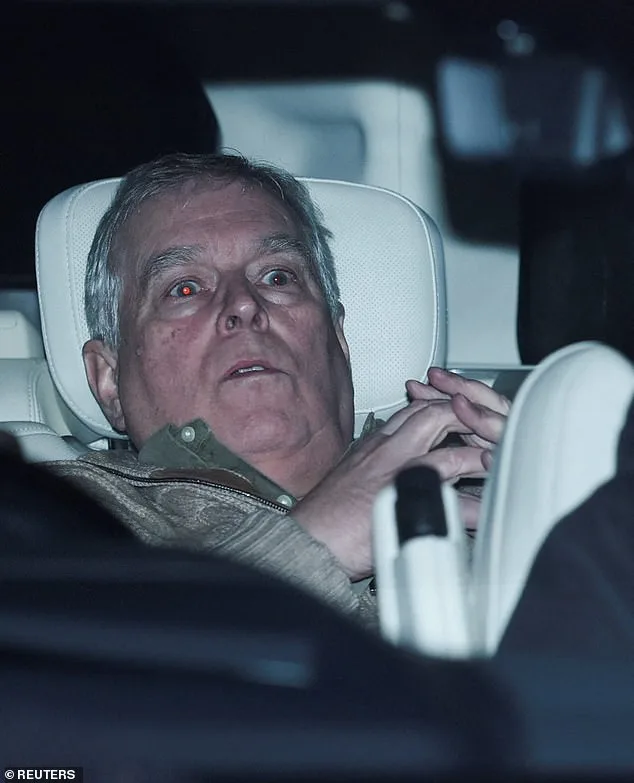
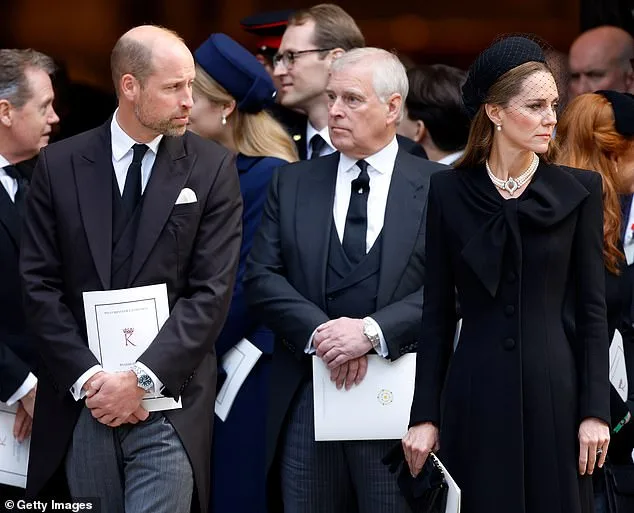
Crisis consultant Mark Borkowski has emphasized the pivotal role William and Kate must play in the coming years. 'The pressure on William to communicate what the royal family is going to be over the next 50 years falls squarely on his shoulders,' Borkowski said. 'The heavy weight of this burden on the Royal Family's reputation lies with William and Kate and what they're going to do.' This sentiment is echoed by many who believe the couple's actions will determine whether the monarchy can adapt to modern expectations and retain its relevance.
William and Kate, who are known to be Andrew's most vocal critics within the family, have publicly supported the King's statement that 'the law must take its course' in relation to their uncle. This alignment with Charles's stance marks a significant shift in the Royal Family's approach to addressing the crisis. The couple has also expressed their commitment to distancing the monarchy from the fallout, a move that has been widely welcomed by the public.
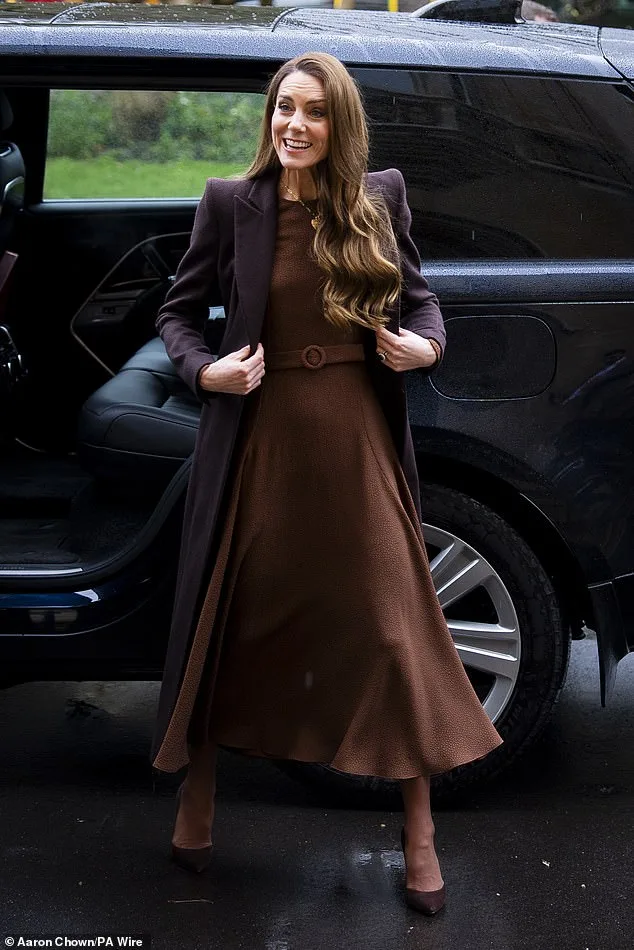
Public opinion currently favors the couple's position. Prince William holds the highest approval rating among the royal family, with 77 per cent of Britons supporting him, while Princess Kate's approval rating stands at 74 per cent. In stark contrast, Andrew's approval rating has plummeted to a record low of three per cent, according to recent polling. This stark divide highlights the growing public dissatisfaction with Andrew's actions and the urgent need for the monarchy to address these concerns.
The crisis has also sparked discussions about the future of the Royal Family's structure. A recent poll revealed that 82 per cent of Britons believe Andrew should be removed from the line of succession, with only six per cent advocating for his continued inclusion. This sentiment has put pressure on King Charles to take decisive action, though his handling of the crisis has been met with mixed reactions. While two in five Britons believe he has managed the situation well, one in three say he has handled it poorly, and 58 per cent believe the family as a whole has responded too slowly to the Epstein revelations.
Legal experts suggest that Andrew may face removal from the line of succession through an Act of Parliament, a move that would require agreement from the 14 Commonwealth nations that recognize the King as their head of state. Senior Tory MP Andrew Bowie has called for Andrew to voluntarily relinquish his position, stating it would be 'the decent thing.' However, such a decision would not be without controversy, given the potential political and legal implications.
The events surrounding Andrew's arrest have also drawn criticism from prominent figures outside the monarchy. Broadcaster David Dimbleby commented on BBC Radio 4's World At One that some members of the Royal Family 'behave like people who are spoiled by entitlement.' While acknowledging Princess Anne as an exception, Dimbleby's remarks underscore the growing public scrutiny of the institution's conduct.
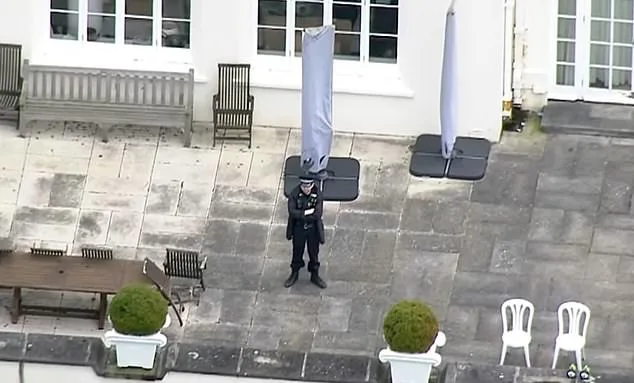
As the investigation into Andrew's activities as a trade envoy continues, the Royal Family faces mounting pressure to demonstrate transparency and accountability. Searches of his properties, including Wood Farm in Sandringham and Royal Lodge in Windsor, have revealed further details about his work during his tenure. Detectives are examining whether Andrew shared confidential information with Epstein, a claim that could have significant legal and reputational consequences.
Despite the challenges, William and Kate remain at the forefront of efforts to reshape the monarchy's image. Their ability to navigate this crisis will be critical in determining the institution's future. As public expectations evolve, the Royal Family must find a balance between tradition and modernity, a task that will require careful leadership and a commitment to addressing the concerns of the people they serve.
Photos